What Does an Alkylation Operator Do at a Refinery?
An alkylation operator runs a unit that makes a blend stock for gasoline. The unit joins light streams from other parts of the refinery. The operator checks what comes in and what goes out. They tell the control room if a reading or sample needs a closer look.
How Alkylation Operators Check Feed and Gasoline Blend Stock
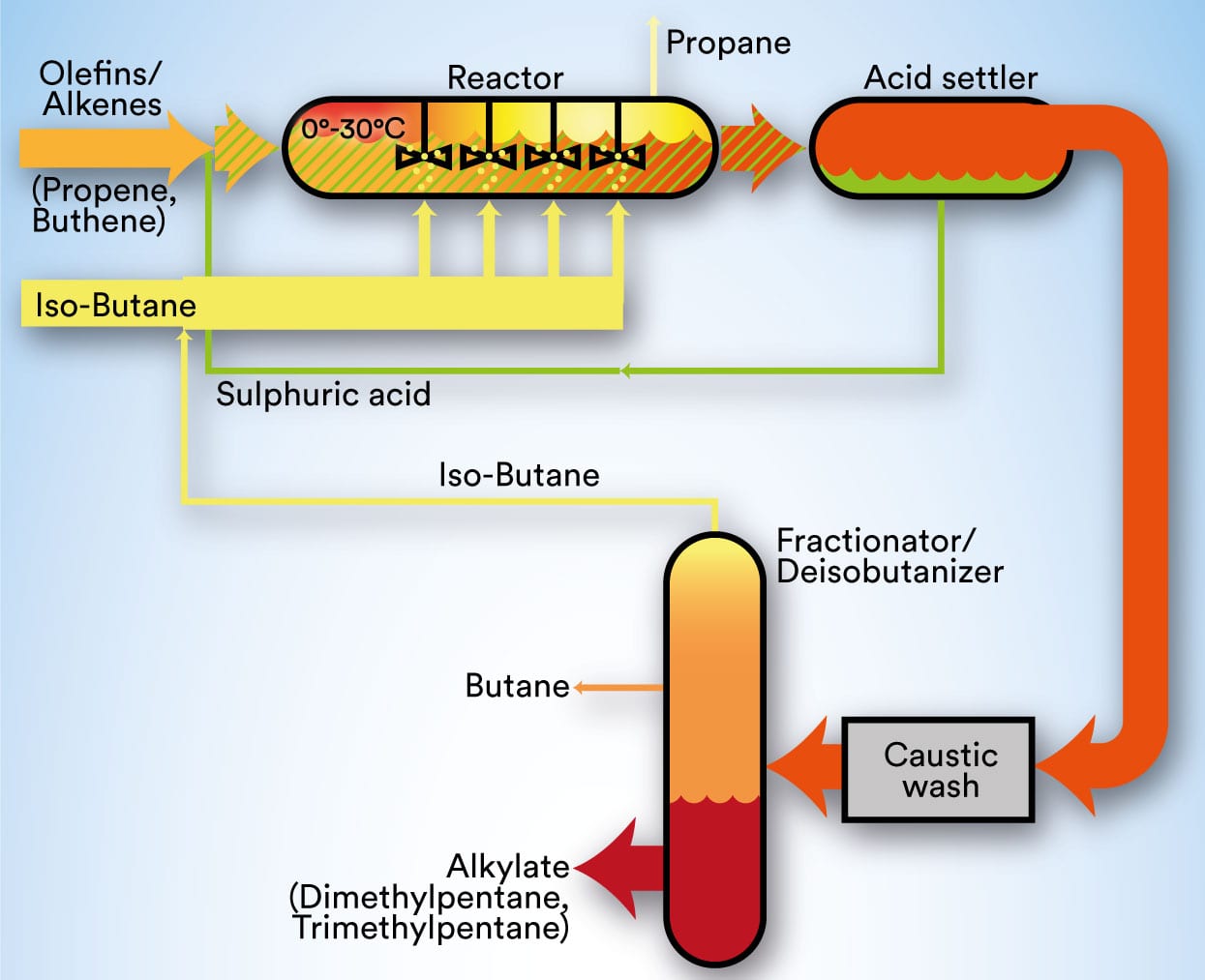
The unit joins light streams to make a gasoline blend stock called alkylate. The feeds often include isobutane and olefins from cracking. The crew works with a reaction section and equipment that separates the product from streams that go round again. An operator needs to know where each stream comes from and which part of the refinery receives it.
Field work includes checking readings on pumps and pressure gauges and collecting the samples assigned to the post. The control room follows unit trends and compares them with the lab results. The crew reports a change in feed, product quality or equipment condition through the shift lead. The unit's operating plan sets what the operator can change.
Many units use hydrofluoric or sulphuric acid. Other designs use a type of liquid salt to help the reaction. Each design needs its own training for the chemicals and gear on site.
A blender operator can use alkylate in a gasoline mix. The next shift needs to know if it is ready to move. The crew also passes on open tests and gear that is out of service. A refinery process engineer may help find the cause of a lasting change.
Alkylation Operator Wages and Job Outlook
Job Bank lists CAD 32.00 to 72.12 per hour in Alberta for oil, gas and chemical process operators in 2023–2024. In May 2025, the middle 80% of U.S. refinery operators, petroleum pump operators and gaugers earned USD 27.46 to 55.71 per hour. These figures cover wider job groups.
Canada projects about 4,100 openings in its group from 2026 to 2035. About 3,200 could come from retirements.
Alkylation Operator Training for Refinery Work
A refinery process job can be an entry route. The plant then trains the worker on the unit. You learn to trace each stream on a drawing and find the same equipment in the plant. Field work and control room work often have separate checks to pass.
The employer should explain the hazards, work permits and what to do in an emergency. Some Canadian posts also cover steam or power work.
Challenges of Refinery Work for Alkylation Operators
Several refinery units can affect the feed, and the lab result may arrive after the change began. The crew has to keep times and samples straight so the next shift can trace it. Work around process chemicals can limit access while maintenance is underway. Shutdowns can bring extra shifts and more handovers.
Perks of Refinery Work for Alkylation Operators
The work shows how light refinery streams become a useful gasoline component. With time you may train in blending, lead a crew or learn another unit. Control room jobs call for more site training and an open post.