What Does a Casing Running Supervisor Do?
A casing running supervisor leads a service crew that helps lower steel pipe into a well. They check the crew’s tools, review the work plan with the rig and track which pipe goes in. They also report any trouble with a connection or a change that the site lead needs to review.
How Casing Running Supervisors Coordinate Pipe Service Crews
The supervisor leads the service crew helping run casing or tubing at a well. They review the job scope, pipe list and tools with the rig team. Work needs clear assignments between the service crew and the people moving loads or running the rig controls.
They check crew readiness, equipment status and how connection results will be recorded. A casing tally identifies the lengths and order of pipe in the string. If the pipe, connection or service tool differs from the plan, the supervisor gets the right technical people involved before work continues.
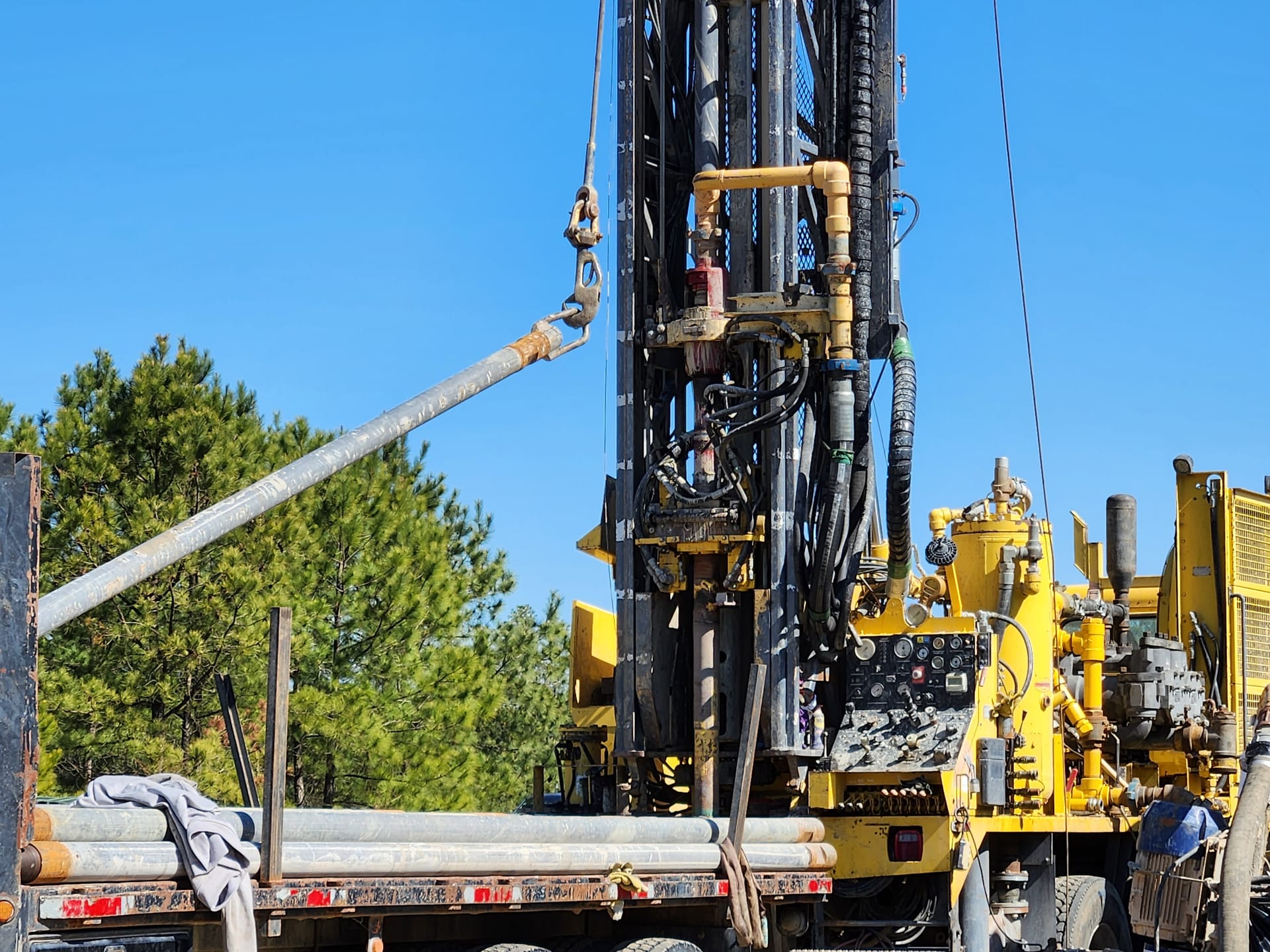
Some crews assign a worker at the casing bowl or use powered handling systems. The supervisor checks the actual rig layout and each person’s role, not an assumed crew pattern. After the run, the client needs a clear file of work completed, connection records, faults and any reviewed changes.
Casing Running Supervisor Wages and Job Outlook
Alberta oil and gas drilling and service supervisors earned CAD 32.00 to 73.00 per hour in Job Bank’s 2023–2024 data. The U.S. middle-80% range for first-line construction and extraction supervisors was USD 25.62 to 61.66 per hour in May 2025. Both groups cover other work as well.
Canada projects 4,300 openings in its group in 2026–2035, including 3,300 from retirements. Lodging and meal support depend on the employer, work location and distance from home.
How to Move Into Casing Running Supervision
Experience with tubular service tools and rig-floor work is the usual base for crew leadership. Learn job planning, connection records and how to brief crews. A supervisor needs to recognise when a problem goes beyond the service team’s authority.
Employers teach their equipment and reporting systems. Site, lifting and pressure-related tasks need suitable training for the actual duties. Check gas-safety, first-aid and offshore access requirements before mobilising. A supervisor title does not replace the driller’s or operator’s appointed responsibilities.
Challenges of Working as a Casing Running Supervisor
The rig may be waiting while tools or pipe are checked. Different suppliers can also use different records and connection systems. You need to resolve changes without losing the job history. Field leadership can bring long shifts, on-call travel and work in heat, cold or poor road conditions.
Perks of Working as a Casing Running Supervisor
You can develop a crew and see a prepared service plan through to a completed run. The work combines tools, records and close contact with rig staff. Experience can lead toward service coordination or technical leadership.