What Does a CCUS Engineer Do in Oil and Gas?
A CCUS engineer helps design projects that capture carbon dioxide and move it for use or storage. CCUS means carbon capture, use and storage. The job can focus on equipment at a plant, transport or how the gas will be put underground. A project may have separate engineers for each part.
What CCUS Engineers Check From Capture to Storage
The engineer starts with the gas stream. A capture unit handling flue gas has different inputs from one treating a stream from natural gas processing. The team needs data on flow, pressure and gas mix before it can compare capture methods.
On a solvent-based plant, liquid takes up carbon dioxide in an absorber. Heat then releases the gas so the liquid can be reused. Engineers study the heat needed, equipment size and how well the solvent lasts. Compression and drying prepare the captured stream for the next part of the project.
A process model helps the engineer compare those choices. They check it against test or plant data and record the basis of the design. Outputs can include flow diagrams, heat and mass balances, and the data suppliers need to size equipment. A balance shows where material and energy enter and leave each part of the plant.
The CO2 pipeline engineer checks the transport design. The carbon storage engineer studies the receiving rock and wells. Each team needs agreed limits for what it can send or accept. A change in water or other gases can affect the next system.
Some projects use captured gas in enhanced oil recovery. Others plan permanent storage. The engineer needs to know which end use the design serves and what evidence supports its performance claims.
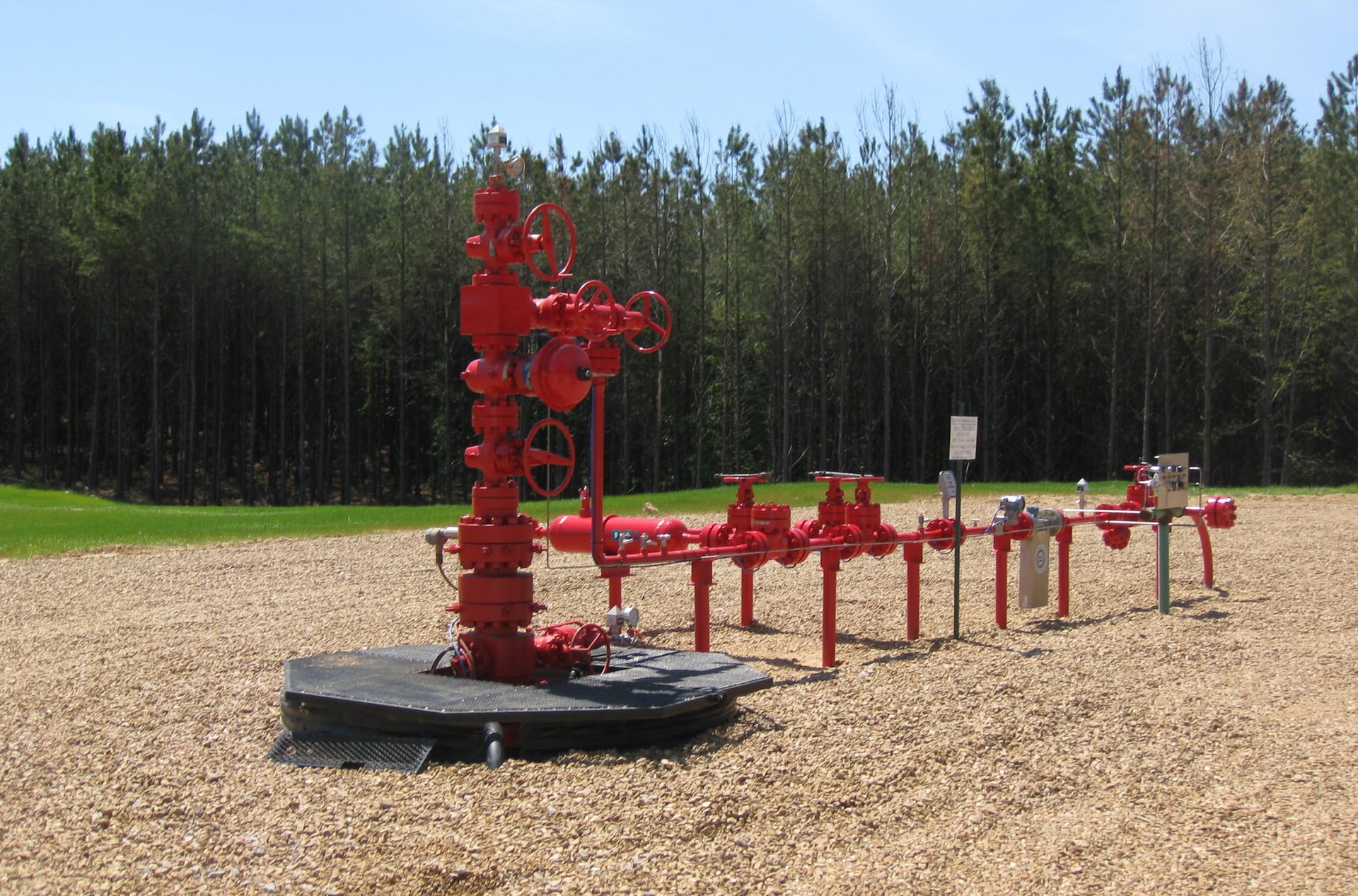
CCUS Engineer Training for Oil And Gas Work
Process, mechanical, pipeline or reservoir experience can lead to CCUS work. Pick the part of the system you want to study. A capture plant needs different day-to-day skills from a storage well model.
Early tasks might include checking stream data, updating a process model or comparing supplier bids against a design basis. Learn to explain why a model gives a result and what could make it wrong. Being able to run software is only part of the work.
In Canada, check the province's rules for engineering practice and who must oversee your work. In the U.S., licence rules come from state boards. Employers also need site training suited to the plant or well hazards. A CCUS job title alone does not define those duties.
Challenges of Oil And Gas Work for CCUS Engineers
Capture uses heat and power as well as new equipment. A design that removes more gas may also raise costs or change how the host plant runs. Engineers need to compare the whole system on the same basis.
A retrofit can have tight space and short windows for site changes. Some roles are mostly design work. Others include visits for tests or start-up.
Perks of Oil And Gas Work for CCUS Engineers
You can apply plant or subsurface skills to a new project type. The work lets you follow a design from test data to field results. You may develop a deep capture specialty or learn how the transport and storage parts fit together.