What Does a Chemical Engineer Do?
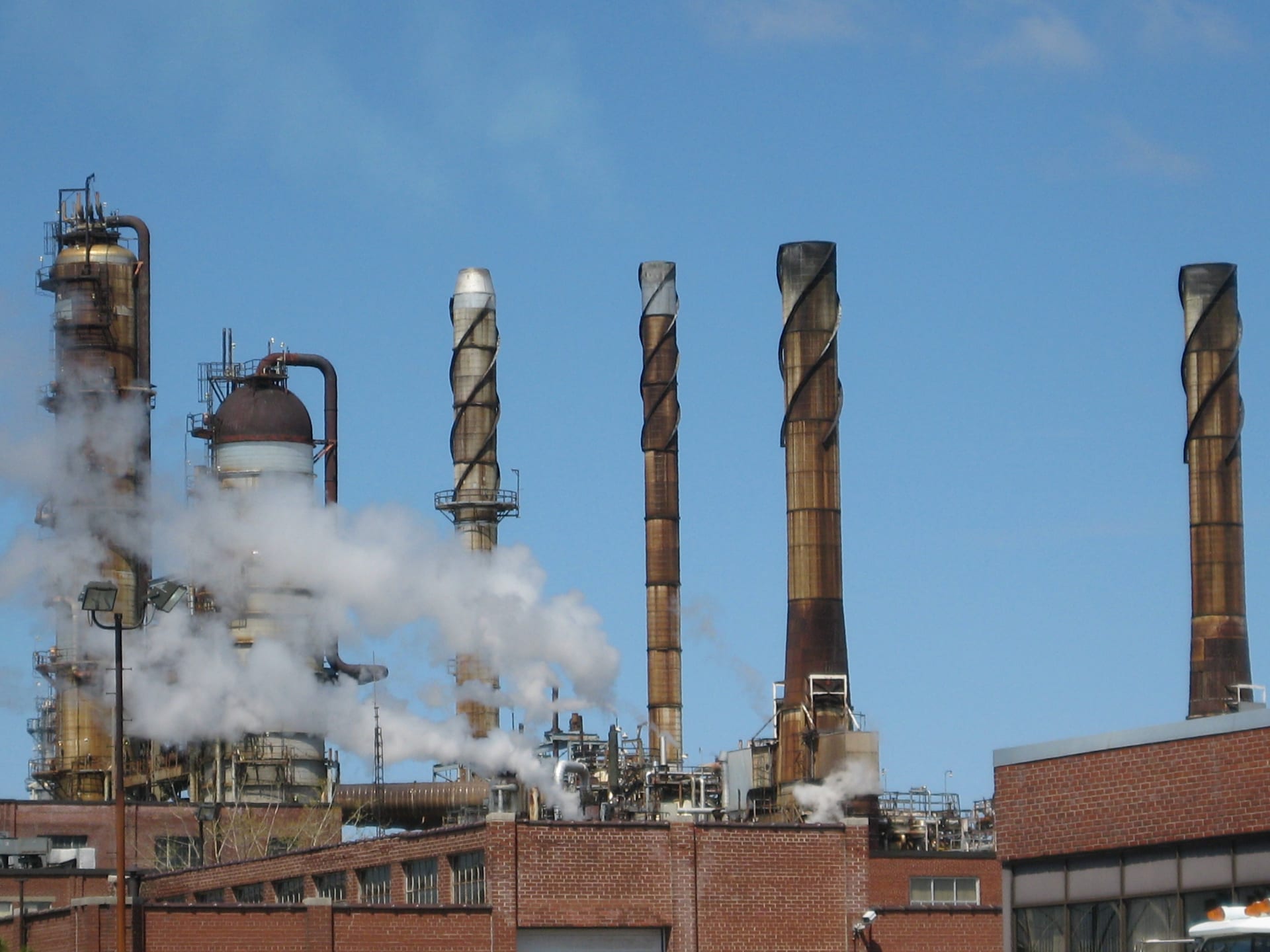
A chemical engineer in oil and gas designs or improves ways to turn raw feed into products that can be shipped or used. They study how fluids, heat and chemicals move through a plant. They may help choose equipment, test a change or work with staff when a unit has a problem.
How Chemical Engineers Design and Review Oil and Gas Processes
A chemical engineer uses chemistry and process design to solve a plant or product problem. In oil and gas, the work may cover separation, treating, heat use or a new process. The first task is to define what goes in, what must come out and which limits the design has to meet.
They compare lab or plant data with a model and check options with other disciplines. A larger vessel may solve one capacity problem while adding space, utility or maintenance demands. The report needs those effects as well as the predicted process gain.
Some chemical engineers support a running refinery or gas plant. Others work on research, projects or client studies. A process engineer may do much of the same plant work.
Chemical Engineer Pay and Job Outlook
Alberta chemical engineers earned CAD 44.23 to 118.79 per hour in Job Bank’s 2023–2024 data. The U.S. middle-80% range was USD 38.19 to 87.92 per hour in May 2025. Both cover several industries, not only petroleum.
Canada projects 2,500 openings in the group in 2026–2035, including 1,200 from retirements and 600 from growth. A research post and a refinery-support role can have different hours and travel needs.
Chemical Engineer Training and Career Path
A chemical-engineering degree is a common route. Build skills in heat transfer, fluid flow, reactions and material balances. Learn how samples and plant instruments can limit a study before treating their readings as exact inputs.
Employers can teach their process tools, project stages and site systems. Graduate work needs suitable technical review. Registration and supervision follow regional engineering rules. Field and lab tasks also need the relevant task training; a degree alone does not cover every site assignment.
Challenges of Working as a Chemical Engineer
A process can behave differently when scaled from a lab to a plant. The feed may vary, or a useful design may be hard to maintain on the actual site. You need to join the chemistry with practical equipment limits. Projects can also bring deadlines that overlap with urgent plant work.
Perks of Working as a Chemical Engineer
You can use one technical base across plant support, design and research. The work offers a clear link between physical behaviour and a practical change. It can lead toward process specialties or project work.