What Does a Compressor Operator Do?
A compressor operator looks after machines that raise the pressure of gas so it can move through a line or plant. They watch readings, check the machine on rounds and report signs of trouble. The work may cover one compressor at a field site or several units at a station.
How Compressor Operators Check Pressure and Equipment
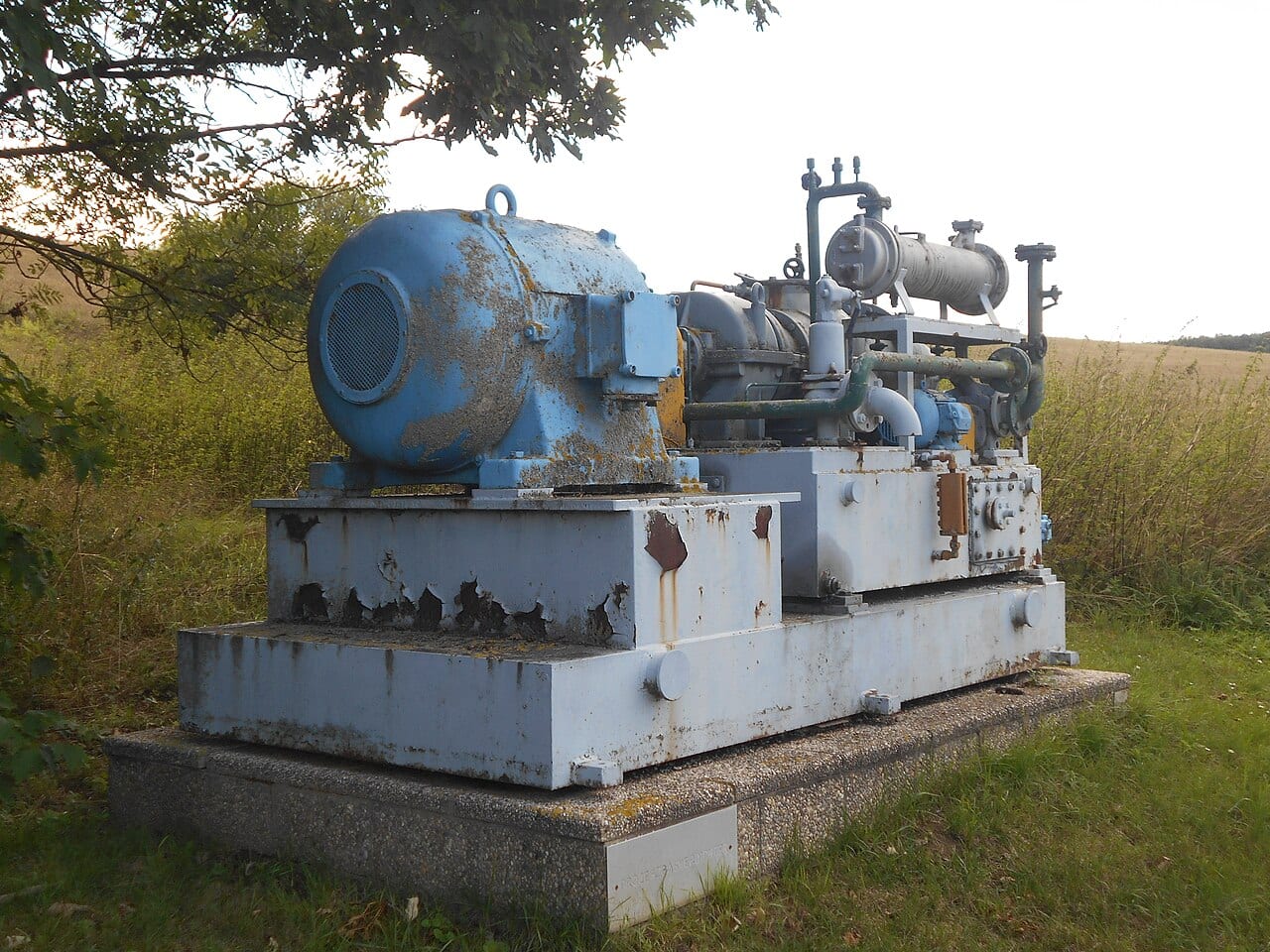
A compressor raises gas pressure so it can move through a gathering system, pipeline or plant. The operator watches pressure and temperature, records run hours and checks whether each unit is available. Local rounds can reveal a new noise, vibration or leak that a screen does not fully explain.
The post may cover the package that drives the compressor as well as the compressor itself. Some station jobs also include coolers, separators and other nearby equipment. Minor maintenance may be part of the role. Larger repairs go to the appropriate mechanical or electrical crew.
If a machine trips, the operator checks and records what happened and follows the site's response plan. A useful fault report includes which unit stopped, when it stopped and the readings or alarms around that time. The mechanic can then begin with the fault history rather than a general report that the machine is down.
A gas plant operator may cover compression within a broader plant job. A facilities engineer handles design questions outside the operator's scope.
Compressor Operator Wages and Job Outlook
Job Bank lists CAD 32.00 to 72.12 per hour in Alberta for oil, gas and chemical process operators in 2023–2024. In May 2025, the middle 80% of U.S. gas compressor and pumping station operators earned USD 22.20 to 47.84 per hour. These figures cover wider job groups.
Canada projects about 4,100 openings in its group from 2026 to 2035. About 3,200 could come from retirements. A field role and a station role may pay for travel and callouts in different ways.
Compressor Operator Training for Gas Field Work
Pump, engine or gas field experience can help. Some employers take entry-level workers and train them on their packages. Others expect years of gas compression work. Read the level as well as the title.
Training needs to cover the actual machine, its controls and when to call maintenance. It also covers site permits, gas hazards and the response to abnormal conditions. Field roles can ask for a driver's licence and a clear driving record.
Challenges of Gas Field Work for Compressor Operators
The work can include loud equipment, outdoor rounds and night calls. A station may keep receiving gas while one unit is down, affecting the rest of the plan. Remote locations can delay a part or a second worker. Clarify on-call cover and travel time, as well as how the company manages rest after a long call.
Perks of Gas Field Work for Compressor Operators
You build a practical feel for how a machine's readings and condition change together. Experience can lead to a larger operating area or equipment service with more training. It can suit someone who likes regular hands-on checks as well as monitoring trends.