What Does a Compressor Station Operator Do on a Gas Pipeline?
A compressor station operator checks the machines that keep gas moving through a pipeline. The machines raise the gas pressure. The operator reads gauges and checks the gear on shift. If a machine shuts down or the flow changes, they tell the control room what they found.
How Compressor Station Operators Check Gas Flow and Equipment
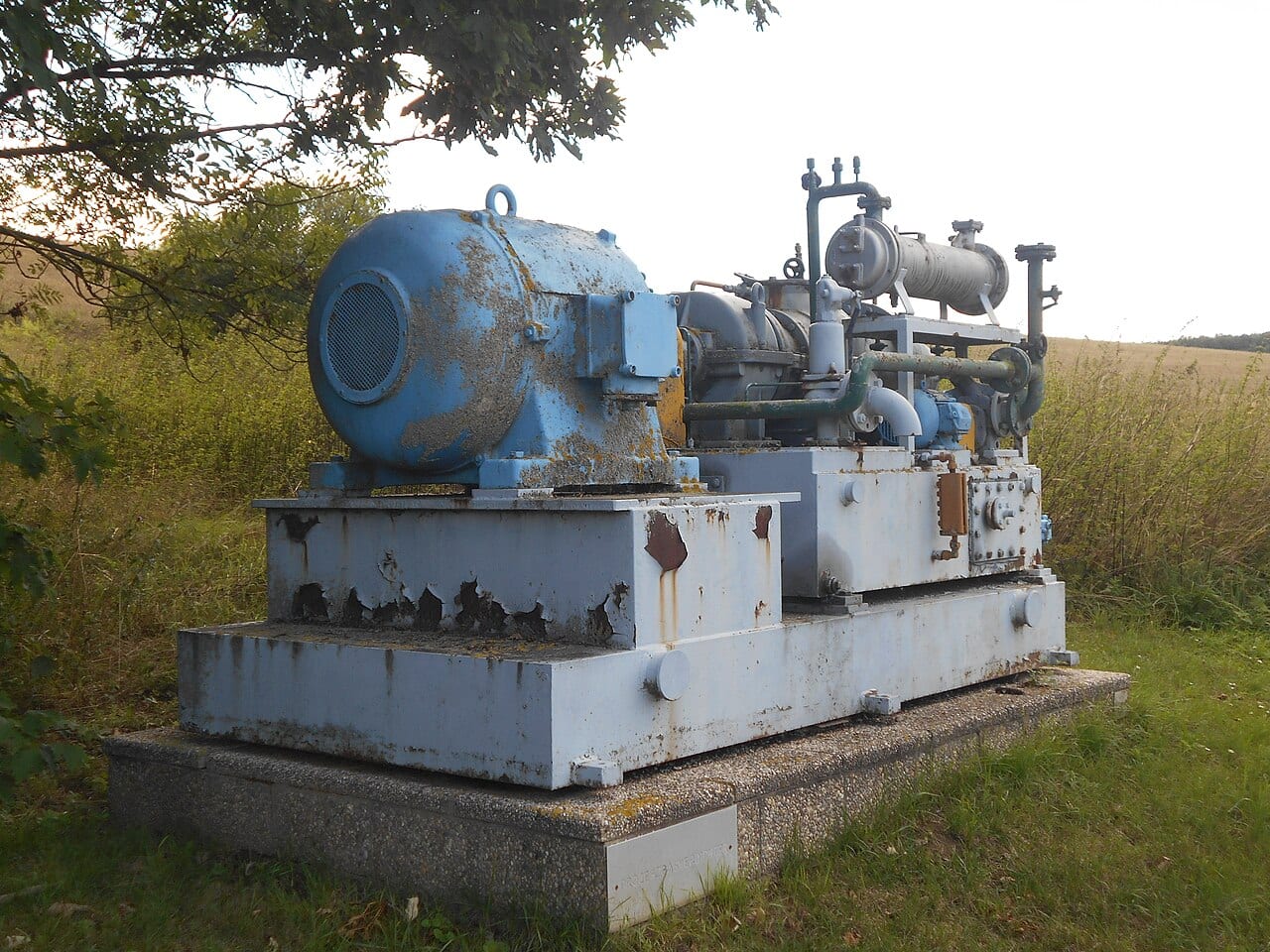
Make rounds on compressors and their drivers. Check the support systems too. Check the assigned pressures, temperatures and equipment condition. A station also needs fuel, cooling, lubrication and other support equipment. A fault in a support system can affect gas delivery. The compressor itself may still be sound.
Keep operating logs. Discuss changes with the control room. Work with maintenance staff on equipment faults and planned repairs. A clear handover states what is available and what is out of service. Note which issues remain open.
Some posts combine station operation with maintenance. Others separate electrical, mechanical and operating duties. A gas controller monitors a wider network from the control room. The field operator checks the site. They carry out assigned station work.
Compressor Station Operator Wages and Callout Terms
In May 2025, the middle 80% of U.S. gas compressor and pumping station operators earned USD 22.20–47.84 per hour. The group covers several industries and types of station.
A plant-operator rate may not fit pipeline work.
Compressor Station Operator Training for Gas Pipeline Work
Experience with compressors, engines or industrial equipment can help. Employers train staff on station systems. They check the skills needed for each task. Some posts combine repairs and operation. They may need a trade or instrumentation background.
Learn the site’s pressure, gas and emergency requirements. U.S. pipeline jobs can include operator qualification for covered tasks. Training and skill checks must match those tasks. A driver’s licence is commonly needed where staff travel between sites.
Challenges of Working at a Gas Compressor Station
Stations can be noisy and far from parts or repair support. A fault may arrive at night or during severe weather. Travel between stations can use much of a shift. Clear records help the field and control-room teams stay in step. Both need to know the equipment’s current state.
Perks of Working as a Compressor Station Operator
You get to know equipment over repeated rounds and see how it supports gas delivery. Some roles combine practical maintenance with operating work. Further training can support station lead or technical work, with a different path for each employer.