What Does a Control Room Operator Do at an Oil and Gas Plant?
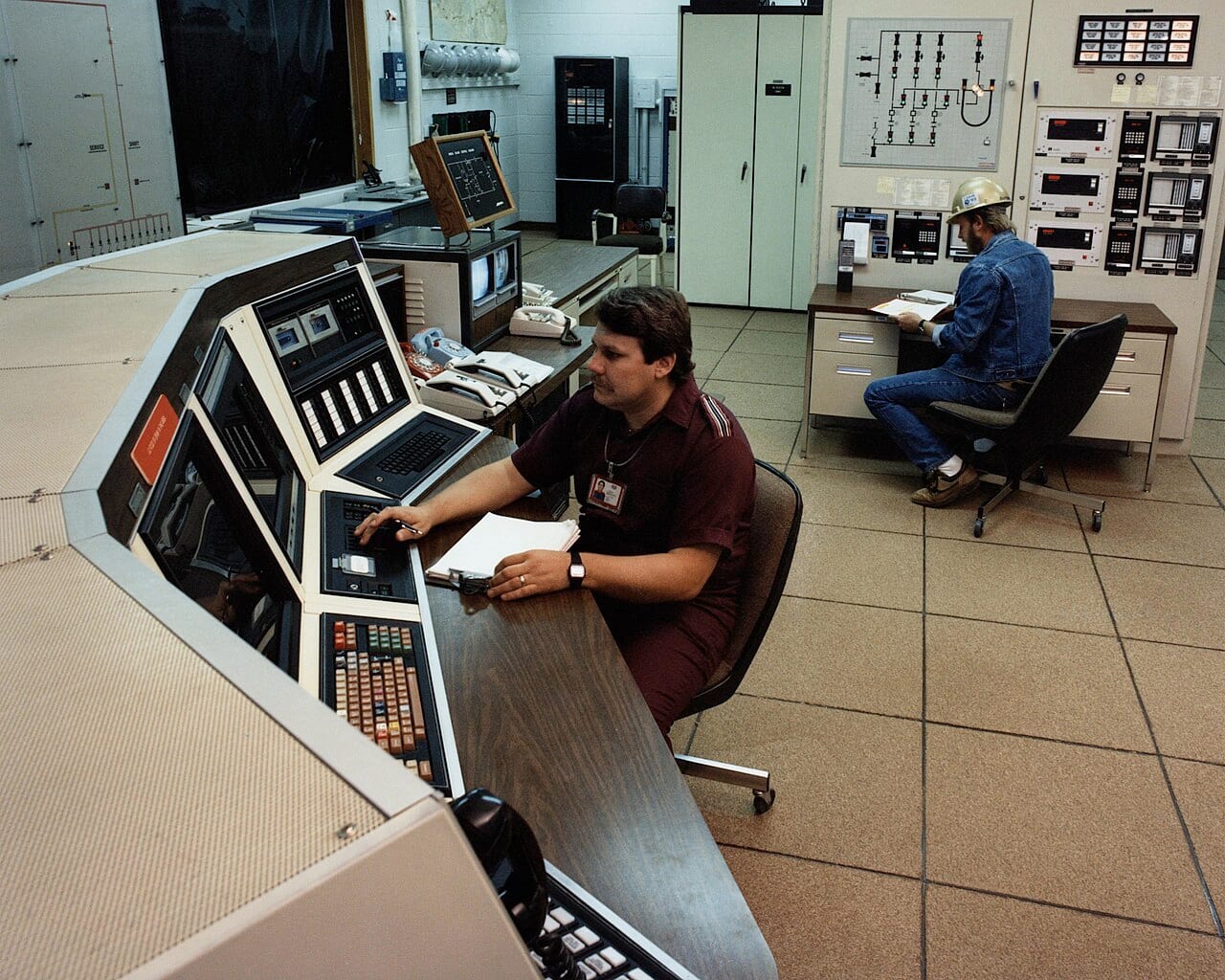
A control room operator watches and runs plant equipment from a set of screens. They track readings such as pressure, level and flow. If a reading or an alarm looks wrong, the operator talks to the field crew and uses the plant’s plan to decide what needs attention first.
How Control Room Operators Use Plant Screens and Alarms
A plant control room operator watches the distributed control system, which brings equipment readings and controls to a set of screens. Review trends as well as the latest value. A gradual pressure change can have a different cause from a sudden loss of a signal. Field reports help the board operator understand what is happening at the equipment.
Prioritize alarms under the plant’s response plan and keep the shift lead informed. A screen command does not prove that equipment has moved as intended. The field crew can confirm its condition. Work within the site’s authority for process changes and repairs; a control-room title does not give blanket approval to bypass safeguards.
Record changes, equipment out of service and work permits relevant to the unit. The incoming operator needs the current state of the plant and any limits on its use. A process operator may work in the field or at the board. A pipeline controller has a different network-wide assignment.
Control Room Operator Wages and Job Outlook
Job Bank lists CAD 32.00 to 72.12 per hour in Alberta for oil, gas and chemical process operators in 2023–2024. In May 2025, the middle 80% of U.S. refinery operators, petroleum pump operators and gaugers earned USD 27.46 to 55.71 per hour. The surveys cover wider job groups.
Canada projects about 4,100 openings in its group from 2026 to 2035. About 3,200 could come from retirements.
Control Room Operator Training for Plant Work
Employers often build board skills on field knowledge of the plant. Training can include shifts with a coach. Some sites use a simulator to practise plant events. The site checks that the worker can read the screens and speak clearly with the field crew. Each worker must know the limits of their role.
A Canadian plant may require a power engineer’s certificate. The class depends on the equipment. Site training is still needed. Training also covers emergency duties, alarms and work handovers. A software course alone does not prepare someone to run a new plant.
Challenges of Oil and Gas Plant Control Room Work
An alarm flood can turn a quiet shift into a demanding one. Several signals may come from the same event. The operator needs to follow the site plan and share clear updates, rather than treat every screen message as a separate equipment failure.
Long spells at a console need close attention. Rotating nights and limited breaks can affect sleep and family time.
Perks of Oil and Gas Plant Control Room Work
You can follow how the units affect one another across the plant. The work combines process knowledge with close contact with field crews. Experience can support senior board or training duties. A move to shift leadership also needs the people and planning skills of that position.