What Does a Diesel Mechanic Do in the Oilfield?
An oilfield diesel mechanic checks and repairs engines on rigs, trucks and service units. A diesel engine may power a pump or make power for a site. The mechanic finds out why the engine will not start or run well and tells the crew what can be fixed on site.
How Diesel Mechanics Check Rig Pumps and Engines
A diesel mechanic traces engine faults from the operator’s report, service records and test data. Hard starting, smoke or lost power may involve fuel, air, cooling or an engine part. The mechanic checks the evidence before deciding whether the job needs a small repair, a major rebuild or specialist shop support.
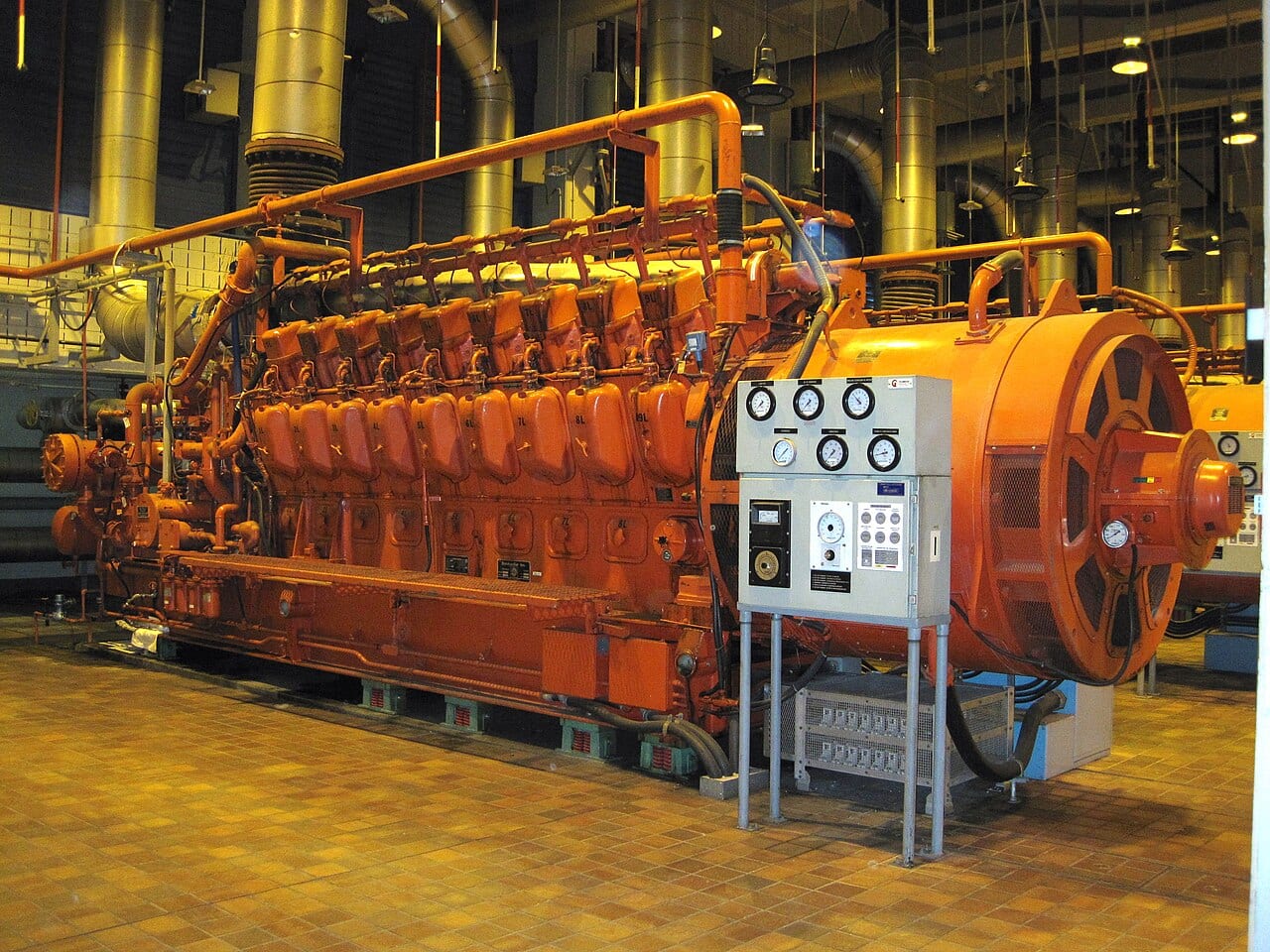
On a service fleet, the engine may drive a truck, a pump or a generator. The mechanic records the engine model, hours, parts used and repair findings. They work with operators and other trades when the fault crosses into controls or the driven machine. Engine repair and electrical power-system work are different skills.
The title covers more than highway trucks. Canada’s heavy-duty trade group includes heavy-equipment diesel mechanics, while road-vehicle diesel mechanics sit in the truck trade group. A rig-engine post and a highway fleet post can therefore ask for different training even when both ads say diesel mechanic.
Oilfield Diesel Mechanic Wages and Job Outlook
For heavy-equipment diesel work, Alberta’s wider heavy-duty mechanic group earned CAD 23.50 to 65 per hour in 2023–2024. For U.S. truck and diesel-engine context, the middle-80% range was USD 21.41 to 42.66 per hour in May 2025. The U.S. group is not a rig-engine wage scale.
Canada projects 28,700 openings for heavy-duty equipment mechanics in 2026–2035, including 12,600 from retirements. That does not count every diesel job. A truck supplied by a contractor is a business cost, not an employee benefit.
Oilfield Diesel Mechanic Training for Engines and Fleet Repairs
Choose a training route that matches the engines and vehicles in the job. Alberta’s restricted heavy-duty work requires a recognised certificate or registered apprenticeship. Road-truck work has its own trade route. A short engine-brand course does not replace the required trade status.
Employers may teach their engine controls and test software after hire. U.S. entry rules depend on the fleet and tasks. Field staff also need the site’s required training.
Challenges of Working as an Oilfield Diesel Mechanic
A fault can be hard to reproduce once a hot engine reaches the shop. Field calls may come at night, far from spare parts. Working around bulky engine parts can be physically tiring. Travel, shift changes and time away from home vary greatly between a local fleet and remote rigs.
Perks of Working as an Oilfield Diesel Mechanic
Engine skills can carry across service fleets, heavy equipment and specialist shops. You can build deeper knowledge of a particular engine family or move toward field diagnosis. Some people prefer a planned rebuild; others like callouts. The employer’s fleet gives a better picture than the title alone.