What Does a Directional Driller Do at an Oil or Gas Well?
A directional driller helps guide the path of a well as the rig drills. They compare the latest readings with the planned route and tell the rig crew when it needs to change course. The job helps the well reach its target and stay clear of nearby wells.
How Directional Drillers Review Oil Well Surveys and Steering Work
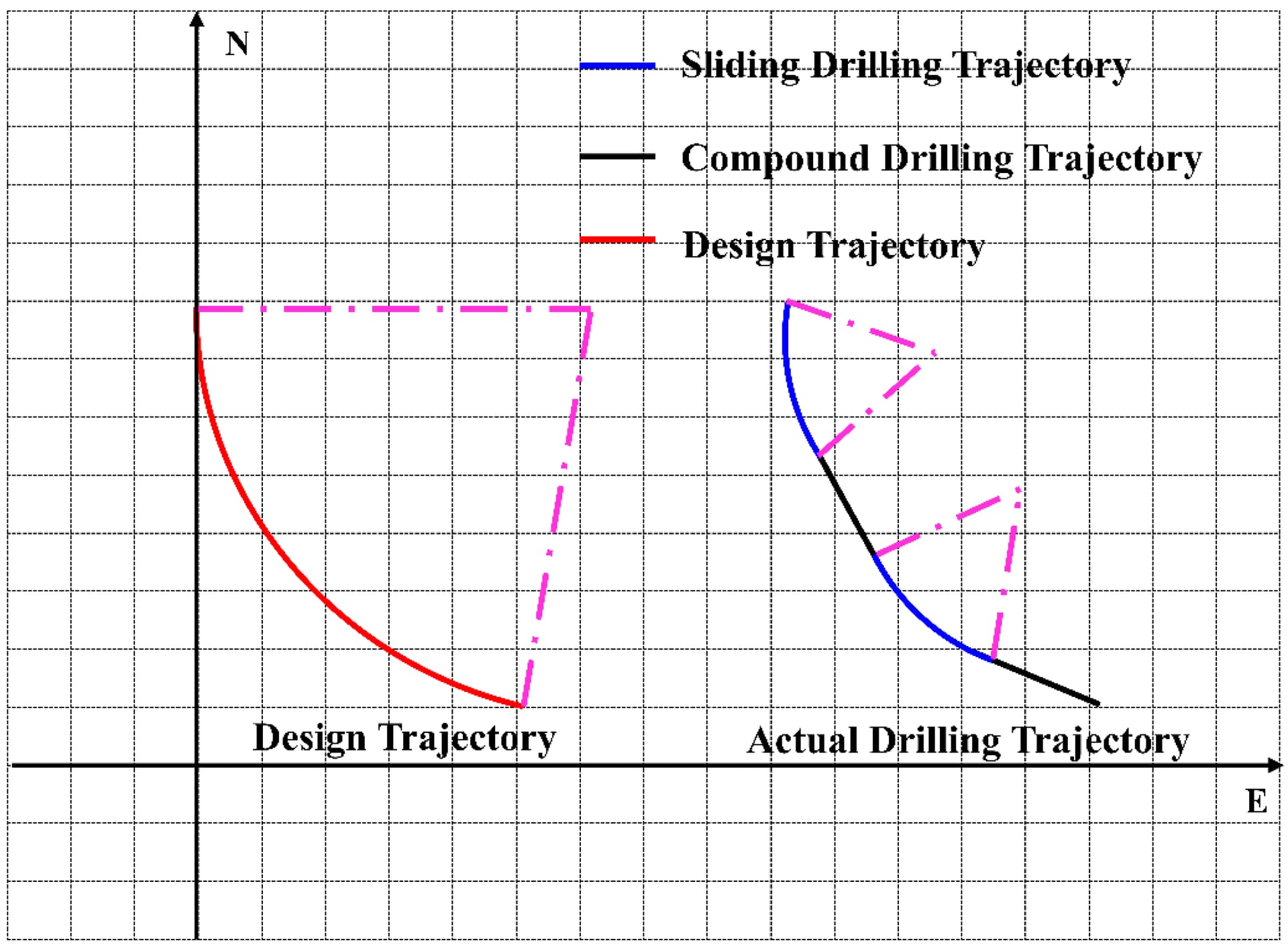
The directional driller compares the well’s measured path with the planned route. An MWD operator supplies survey and tool data. The driller checks angle, direction and depth information before advising the rig on steering work. Survey quality matters as much as how close the plotted line looks to the target.
They work with the drilling engineer and wellsite geology team as the well moves ahead. The plan also considers nearby wells and the limits of the drilling tools. Some posts combine measurement and steering duties; others use separate specialists. The work is not simply operating the rig’s main drilling controls.
Each shift needs a record of surveys, tool status and reviewed changes. A delayed reading or tool problem must be clear to the next person on duty. Remote technical staff may support the site, but field and operator authority still follow the job’s assigned roles.
Directional Driller Wages and Job Outlook
Alberta’s broad well-driller and service group earned CAD 25.00 to 70.00 per hour in Job Bank’s 2023–2024 data. U.S. oil and gas rotary drill operators earned USD 22.60 to 48.97 per hour for the middle 80% in May 2025. Neither is a directional-specialist-only scale.
Canada projects 9,600 openings in its group in 2026–2035, including 5,100 from retirements. Hotel, camp and meal arrangements depend on the posting. Contract rates and employee wages need separate comparisons.
Directional Driller Training and Field Experience
Rig or measurement work can provide useful field experience. Engineering or technical studies can help with survey and planning work. Employers train staff on their steering tools, data systems and supervised job duties.
Learn to check survey quality and explain a course change clearly. Site work needs the relevant induction and task training. The title does not by itself show the level of design authority.
Challenges of Working as a Directional Driller
Incoming data can be late or incomplete while the rig continues its work. A tool failure can require a new plan and a careful handover. Remote rigs, night shifts and short-notice travel affect rest and time at home. Poor roads or spring restrictions can also delay people and equipment.
Perks of Working as a Directional Driller
You see how survey data and tool choices shape a real well path. The role builds close links with measurement, rig and geology teams. Experience can lead toward senior field work or technical support.