What Does a Commercial Diver Do in Oil and Gas?
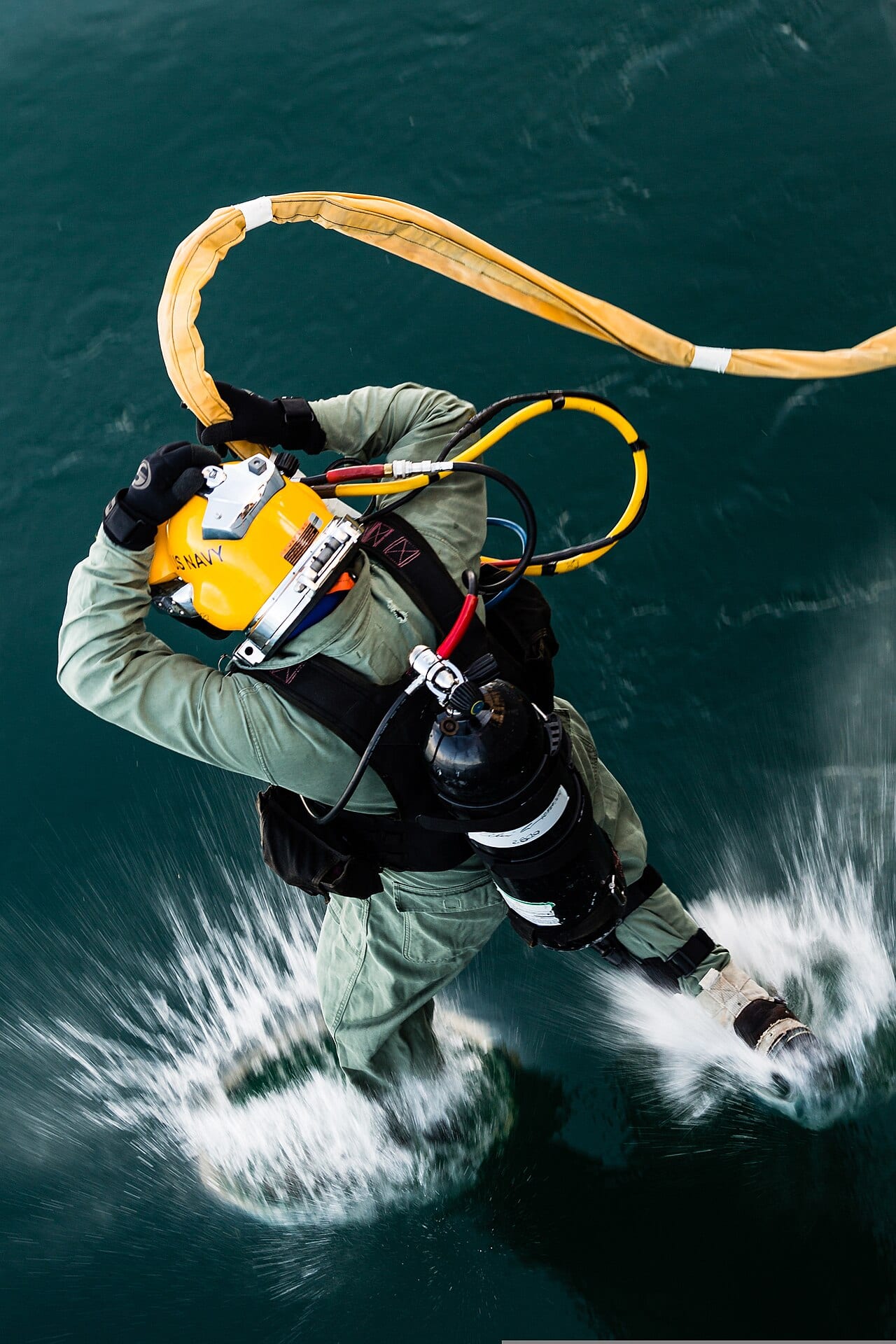
A commercial diver works underwater to inspect, install or repair gear. In oil and gas, that might mean checking a pipe, a dock or part of a platform. The diver stays in contact with the crew above. They describe what they see and bring back a record of the work.
How Commercial Divers Record Oilfield Inspection and Repair Work
The commercial diver inspects, installs or repairs gear underwater as part of a team. An oilfield job may involve a pipe, a platform structure or a connection. The diver needs a clear task. They must be able to tell the surface team what they found.
They work under the diving supervisor with tenders and other support staff. Cameras, measurements and inspection tools help produce a usable record. The report identifies the asset, location and conditions. Poor visibility may limit what can be seen.
Some jobs use surface-supplied diving. Others need different training and gear. A diver may fit parts or help an inspection specialist. Each task needs the right skills. The engineer and operator use the findings to review repairs. Welding, NDT and engineering approval need their own skills and qualifications.
What to Compare in Commercial Diver Pay
Canada’s wider technical-trades group includes commercial divers and other trades. Its national range was CAD 21.63 to 47.85 per hour. Job Bank’s data covers 2023–2024. U.S. commercial divers earned USD 20.83 to 75.86 per hour for the middle 80% in May 2025, including inshore work.
Commercial Diver Training for Canada and the U.S.
Commercial-diving training must fit the technique and work. Canadian rules vary by region. In B.C., WorkSafeBC requires accepted training and certification. You also need a current diving medical. DCBC accredits training for defined commercial-diving skills.
Covered U.S. work follows OSHA task-training requirements, including first aid and CPR for dive-team members. Employers provide site and training on the gear. A recreational scuba card alone does not qualify you for every commercial job. Check recognised qualifications before choosing a school.
Challenges of Working as a Commercial Diver
Visibility, current and access can limit the task. Clear communication with the surface team matters when the diver cannot see the whole site. Offshore shifts and weather delays can extend a campaign. Medical fitness, travel and periods away from friends and family are ongoing parts of the career.
Perks of Working as a Commercial Diver in Oil and Gas
You combine practical work with detailed evidence from places most crews cannot reach directly. Different projects can build inspection, construction or repair experience. With more training, you may specialise or move toward supervision.