What Does an Oil and Gas Drone Pilot Do?
An oil and gas drone pilot flies a small aircraft to gather images or other data at a site. A job might call for photos along a pipe route or a map of a work area. You plan the flight, check that it can go ahead, and bring back records the crew can use.
How Drone Pilots Gather Images at Oil and Gas Sites
Agree on the data the site needs before planning the flight. A route survey needs broad coverage; an equipment inspection needs a clear view of a specific part. Check the aircraft, weather and airspace. Coordinate the work with the site contact so other activity does not create a conflict.
Keep each image or data file tied to its location. Review coverage and image quality before leaving the site. An inspection engineer may need another angle or more detail to assess a finding. Flying the aircraft and interpreting an equipment defect are different skills.
Some pilots collect thermal images or mapping data as well as photos. The sensor and intended use affect the job plan. Collecting images does not mean the pilot can certify the asset’s condition.
Oil and Gas Drone Pilot Training and Career Path
In Canada, the required certificate depends on the aircraft and flight. In November 2025, Canada added Level 1 Complex operations. This category covers some lower-risk flights beyond visual line of sight. Other flights can need a different certificate or special approval. Check the current category for the proposed work.
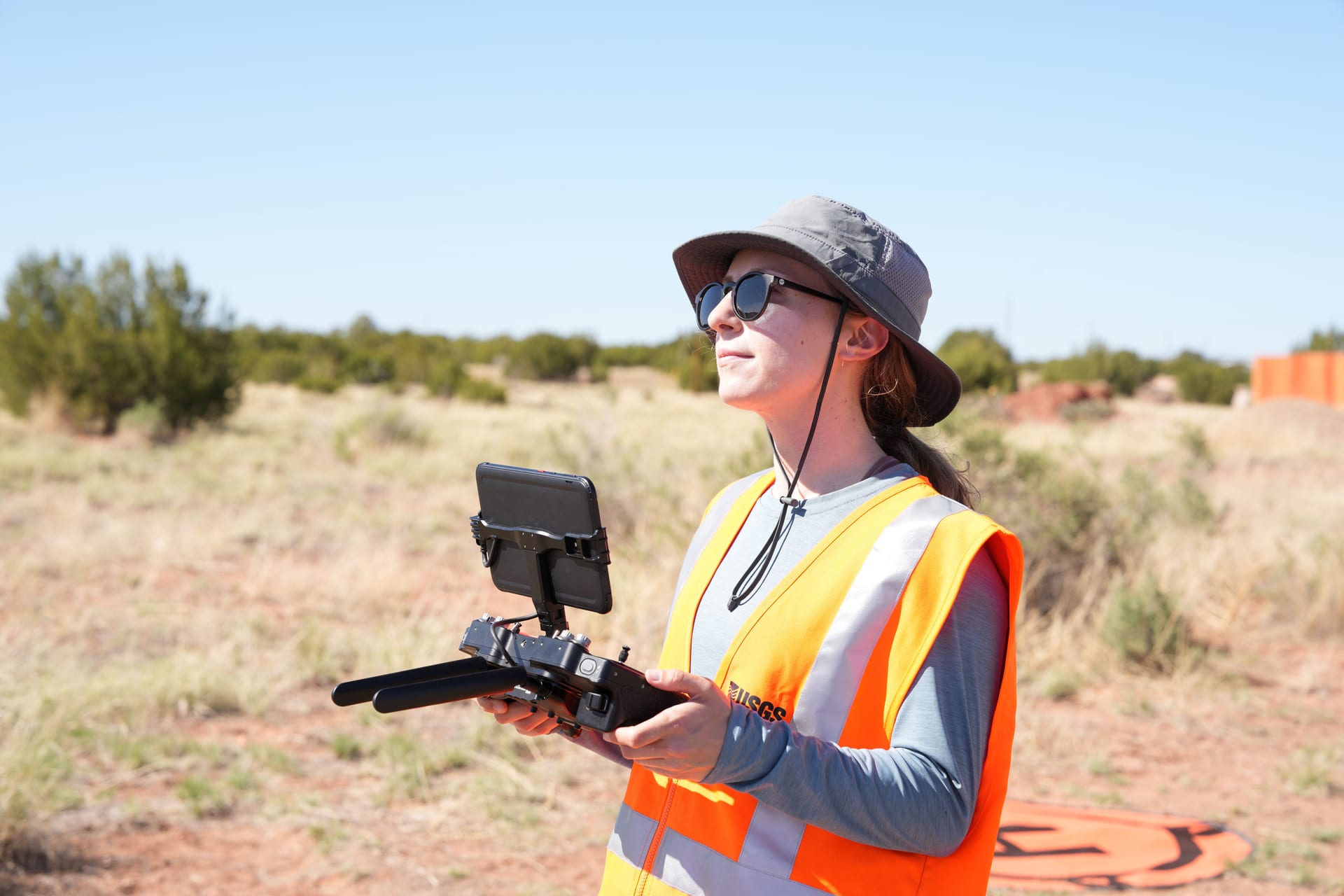
Under U.S. Part 107, the remote pilot in command needs an FAA Remote Pilot Certificate. Recurrent training keeps their knowledge current. Oilfield employers also require site access and task training. Sensor operation, data processing and inspection skills may be taught separately from flying.
Challenges of Working as an Oil and Gas Drone Pilot
Wind, poor visibility or new site activity can cancel a flight after a long drive. Battery limits and weak images can leave gaps in coverage. The pilot needs to explain those limits and arrange another visit when needed. Remote work also adds road travel and time spent checking data after the flight.
Perks of Working as an Oil and Gas Drone Pilot
You can gather views of routes or equipment that are hard to see from the ground. The role combines field planning with technology and data. Mapping or inspection work can build a specialty beyond flying, with different training and software needs for each.