What Does an Electrical Designer Do?
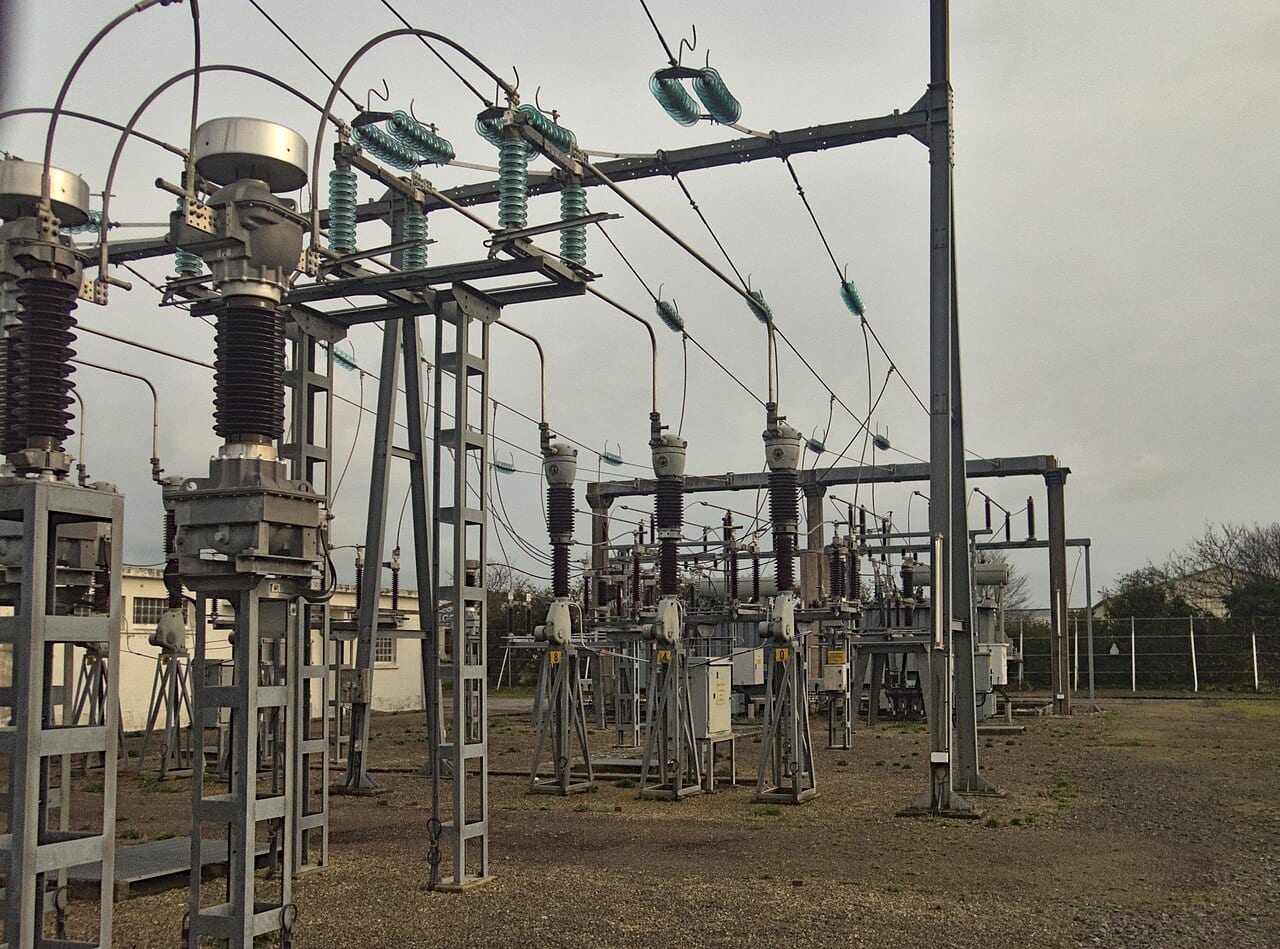
An electrical designer makes the plans crews use to install power in an oil and gas plant. You show where cables run and how they connect to motors, lights, and other gear. The field crew can follow those drawings when it runs a cable or hooks up a new pump.
Plant Diagrams and Cable Layouts for Electrical Designers
Prepare one-line diagrams, cable layouts and equipment drawings from the agreed electrical design. Track cable and equipment tags across the drawing set. A tray route needs space for installation and later access as well as a clear path on the model.
Resolve clashes with piping, structural and instrumentation designers. Panel locations and cable routes affect other teams. Openings need to fit too. Use current vendor and equipment data. Update the layout and material lists together.
Follow design comments and field changes through to the final drawings. A moved panel can affect several cable and connection records. Engineers review the assigned design requirements, while installation crews use the issued documents for their work.
Electrical Designer Pay and Job Outlook
Job Bank lists CAD 25.48 to 53.85 per hour for drafting technologists and technicians in Alberta for 2023–2024. In May 2025, the middle 80% of U.S. electrical and electronics drafters earned USD 24.06 to 57.83 per hour.
Canada projects about 13,000 openings in the Canadian group from 2026 to 2035. About 6,900 could come from retirements.
These rates cover drafting groups.
Electrical Designer Training and Career Path
Electrical technology or drafting study is a common route. Early work can include tag checks, drawing updates and model tasks under review. Learn electrical diagrams alongside the CAD or three-dimensional design tools used by the team.
Site or shop visits help show the space needed for installation. Cable access matters too. Employers may teach project drawing rules and document control. An electrical design post differs from an electrician’s installation role. Compare the duties and qualifications required.
Challenges of Working as an Electrical Designer
Late vendor details can change panel dimensions or cable connections. Several drawings and lists may then need revision together. Track the affected documents. The shop and site crew need the same current information before work proceeds.
Perks of Working as an Electrical Designer
You can see how a drawing becomes a cable route or equipment layout in a real plant. The work combines detailed records with three-dimensional space planning. Feedback from installers helps improve later layouts and makes the purpose of each drawing clear.