What Does an Energy Efficiency Engineer Do?
An energy efficiency engineer looks at where an oil or gas site uses fuel, steam, and power. You use meters and plant records to find places where the site may be wasting heat or running equipment harder than it needs to. Then you help the team test ways to use less.
Energy Efficiency Engineer Duties in Oil and Gas
Build a picture of where the plant uses fuel, steam and power. Check the meters and compare use with output and weather. Lower fuel use after a production cut is not evidence that an efficiency project worked. The starting point needs to reflect how the plant was running.
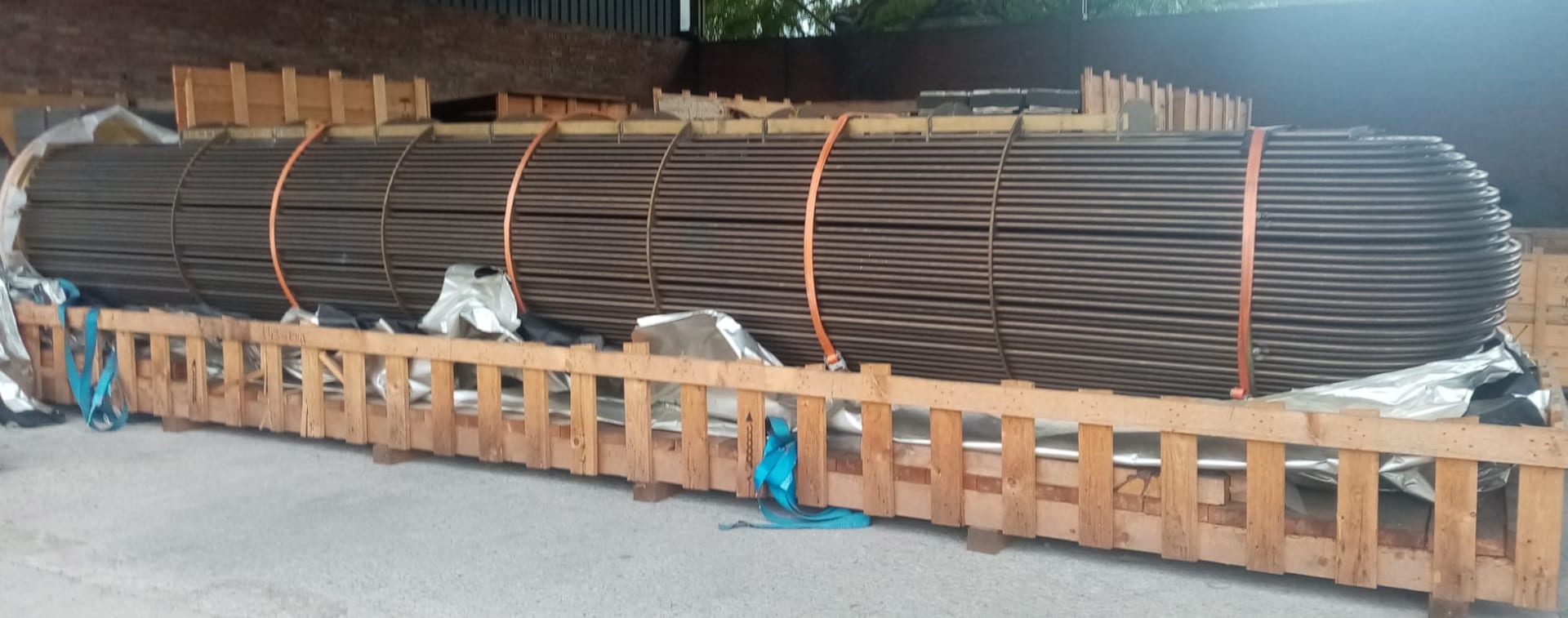
Work with the process engineer and operating crew on options. A heat exchanger engineer may assess heat recovery. A boiler engineer can help trace the effect on steam supply.
Estimate costs and savings, then plan how to check the result after a change. Heat-exchanger network work may include pinch analysis, a way to assess where streams can share heat. Check the whole site so a saving in one unit does not simply shift fuel or power use elsewhere.
Energy Efficiency Engineer Training and Career Path
Chemical, mechanical or energy engineering can lead into the role. Learn plant diagrams, heat balances and how to check meter data. Field contact helps explain why a trend changed and whether the proposed design can work at that site.
Energy-management or measurement training can add useful methods. Professional approval depends on the engineering work and region. Junior staff may collect data and test models under review before taking responsibility for a project’s claimed savings.
Challenges of Working as an Energy Efficiency Engineer
Meters can disagree, and plant conditions rarely stay fixed for a full test. A shutdown can delay the work or change its cost. The engineer needs to state assumptions and separate measured results from estimates. A promising saving still has to fit production and maintenance needs.
Perks of Working as an Energy Efficiency Engineer
You can follow a proposal through to a measured plant result. Some improvements use existing equipment rather than a major rebuild. The job connects operating knowledge with project analysis, with a mix of desk and site work that depends on the employer.