What Does a Natural Gas Trader Do?
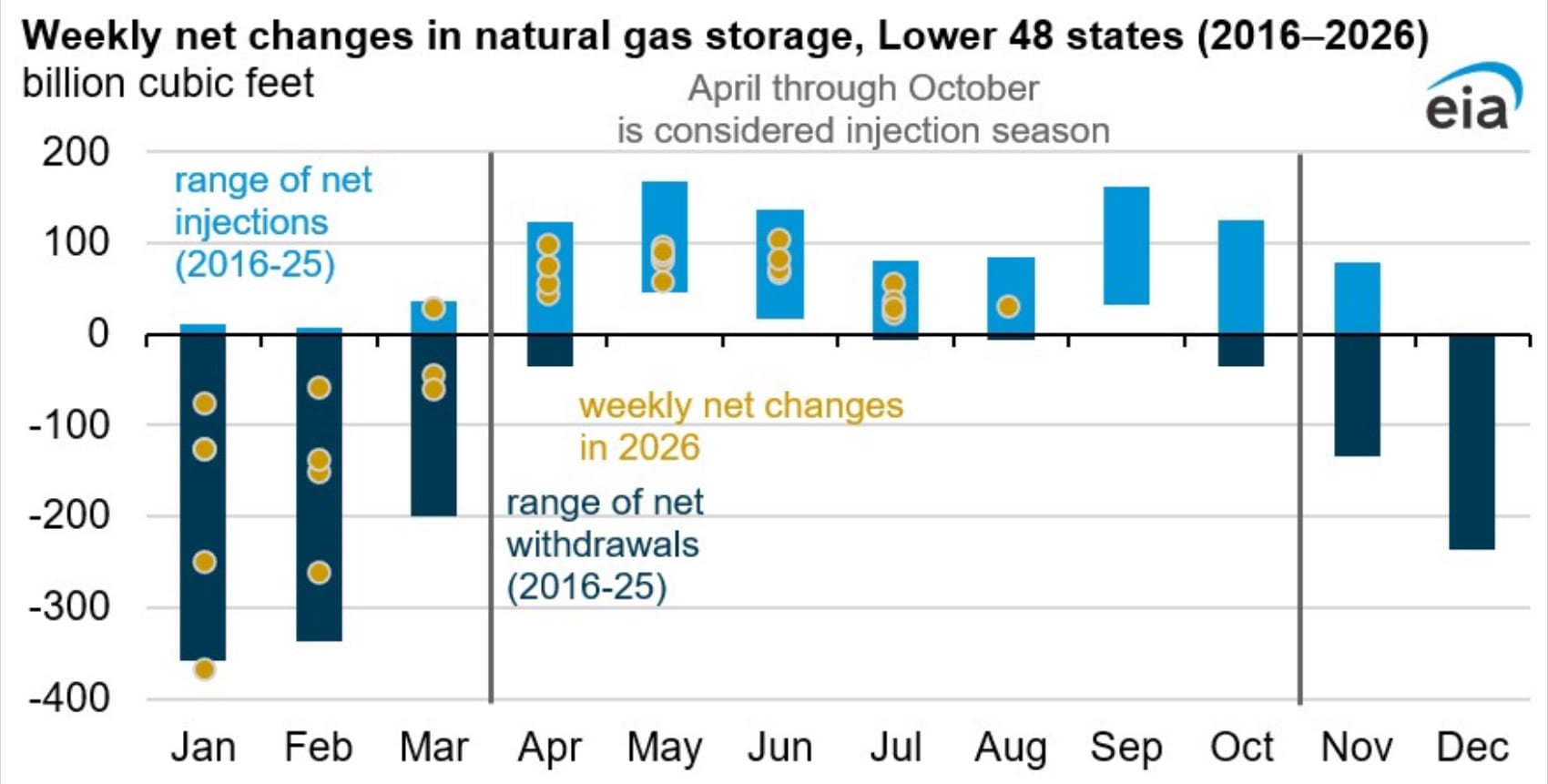
A natural gas trader buys or sells gas for a set place and time. The desk may also use financial contracts to manage price risk. A trader looks at weather, gas in storage, and how much the pipes can carry before the team makes or changes a deal.
Natural Gas Trader Duties on Pipeline and Storage Deals
A physical trade needs the right delivery point, volume and dates. The trader checks how much gas is needed, where it can come from and which routes or stores can be used. A low price at one hub may come with extra transport costs or little pipe space. A financial contract can help cover price risk. Arranging the actual gas move is a separate task.
The trader works with schedulers on delivery commitments and with the risk team on the open position. A gas controller runs the pipeline’s operating desk; that is a separate role. If a source or delivery plan changes, the commercial record and the scheduler’s instructions need to agree. The desk sets which trades that person can approve.
The desk also follows information from producers, storage sites and gas plants. A gas plant operator may report a supply interruption. A crude oil trader works with different products and delivery terms. The gas trader needs to understand their own market’s physical routes as well as its prices.
Skills and Training for Natural Gas Traders
Scheduling, trade support or market analysis can provide a route. Learn how a deal moves from agreed terms through booking, delivery and payment. Employers teach their systems, approval limits and risk controls. A junior may begin with checks and reports before having authority to trade. The required experience differs between physical supply and financial trading desks.
Challenges of Trading Natural Gas Through Pipelines
A cold forecast, plant outage or pipeline restriction can change the supply plan quickly. A commercial choice still has to fit a workable delivery route. Desk cover may extend into weekends or early hours when schedules change. Accurate handovers matter because an unresolved trade or delivery issue passes to the next person on duty.
Perks of Working as a Natural Gas Trader
You can follow how weather, production and transport affect a working market. The role combines analysis with communication across supply teams. Experience can lead toward a larger trading book, gas supply or market-risk work as knowledge and approval limits grow.