What Does an Environmental Technician Do at an Oil and Gas Site?
An environmental technician collects soil, water or air samples at oil and gas sites. They record where each sample came from and keep it in the right condition for the lab. The work helps the site see whether a spill has spread or whether a clean-up has reached its goal.
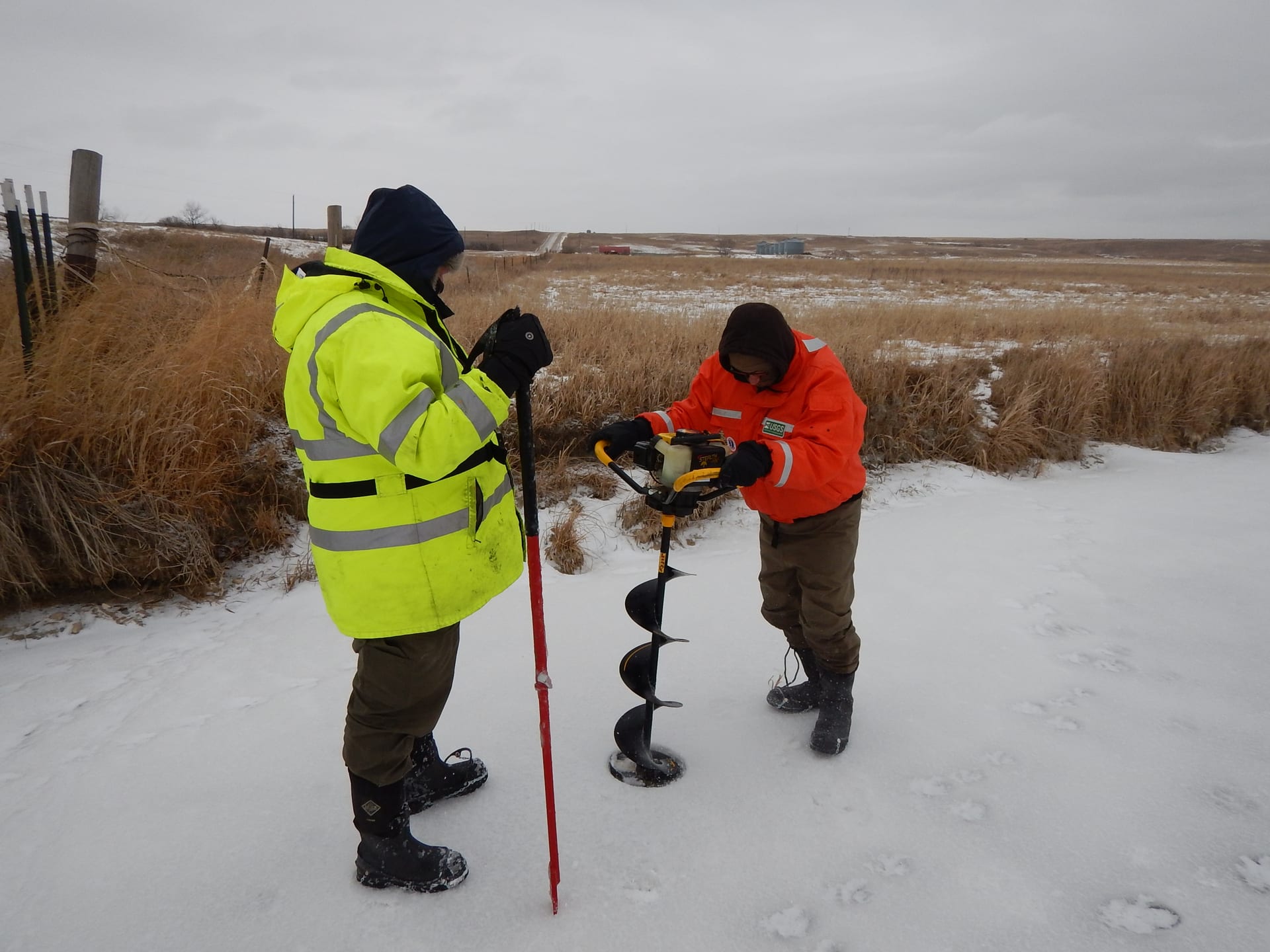
How Environmental Technicians Collect Oilfield Samples
The technician collects evidence under the project’s field plan. Label samples, record location and depth, and keep the handling record clear. That record, often called chain of custody, tracks the sample from site to lab. A mix-up needs to be reported while the team can still assess the effect.
Check field equipment and record test conditions. Soil, water and air work can need different tools and handling. Report an unusual result to the environmental scientist or project lead. A technician’s field observation is useful evidence; it does not by itself settle how far contamination extends.
Some jobs also include data checks, maps and draft report tables. The balance of field and office work varies. Keep estimates, missing samples and access limits visible so the reviewer knows what the team actually checked. Do not fill a gap with an invented result to complete a table.
Environmental Technician Wages and Job Outlook
A September 2026 Keneco Environmental posting lists CAD 37.00 per hour for a technician role in Calgary and Weyburn. It includes oil and gas wellsite work and asks for two to three years of experience. That is a dated employer offer, not a general Alberta minimum.
In May 2025, the middle 80% of U.S. environmental science and protection technicians earned USD 38,170–94,160 a year. BLS projects 7% growth in that wider group for 2025–2035. The figures include industries outside oil and gas.
Environmental Technician Training for Oilfield Work
An environmental technology or related program can lead to entry field work. Learn maps, clear notes and the equipment used by the employer. New hires can train on the project’s sample handling and reporting system under supervision.
Remote work needs site and driving training suited to the assignment. Chemical handling or specialist instruments may add task requirements. The project lead must explain the technician’s scope and who reviews findings. A short field course does not replace a regulated professional sign-off.
Challenges of Oilfield Work for Environmental Technicians
A long drive to the lab can make timing and sample care difficult. Wind, rain and rough roads add pressure to keep labels and records intact. A missed detail may force another trip.
Perks of Oilfield Work for Environmental Technicians
You see how field observations become maps, lab results and decisions about a site. Experience can lead to crew leadership or a sampling specialty. Further study may open other roles, but progression depends on the qualifications and review authority required for that work.