What Does a Field Technician Do in Oil and Gas?
A field technician goes to oil and gas sites to check, test or service equipment. The work depends on the crew. One job may focus on meters and readings. Another may look after equipment at a group of wells. The technician records what they find and flags work that needs a repair crew.
How Field Technicians Check Equipment at Remote Sites
The equipment in a posting is the best clue to this broad title. A measurement technician can install and check meters and the devices that send readings to a control system. A lift technician can help with pump installations and track well performance. A pipeline maintenance technician works on the line and its facilities.
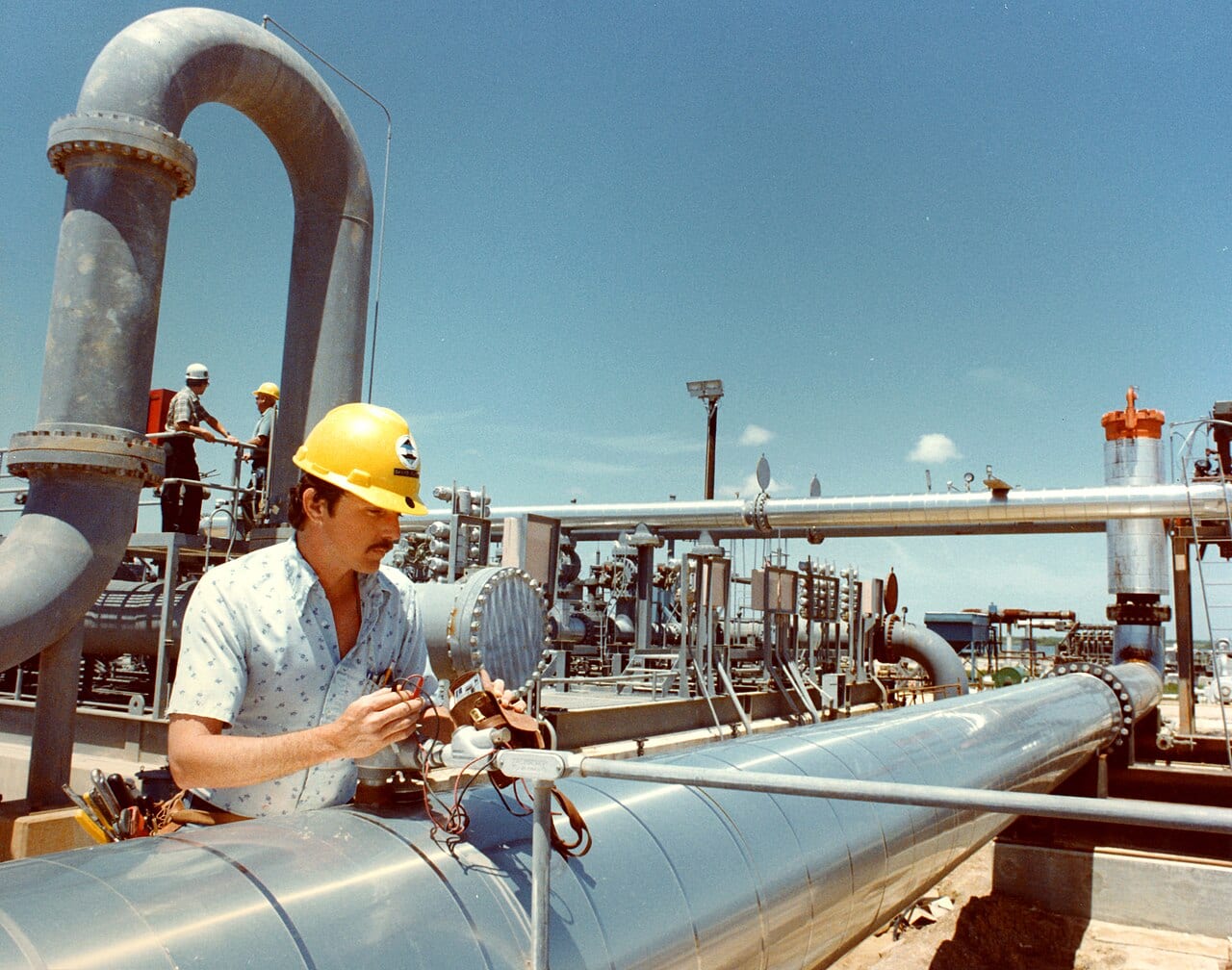
For measurement work, the technician may compare an instrument with a known reference and record the result before and after service. Production work may include tracking water production or a pump fault. Some pipeline jobs include cathodic protection readings to check a system that helps slow steel corrosion.
The service record should identify the site and equipment, the observed fault and what was checked or changed. A part that needs a specialist repair goes onto a work order. The technician's trade qualifications and work permissions set the repairs they can do.
Some roles follow a planned route. Others respond to breakdowns across a field. The title can cover a mix of technical work, driving and reporting rather than a full day repairing equipment.
Field Technician Training for Oil and Gas Sites
A trade, technical diploma or field experience can fit, depending on the gear. Measurement and controls jobs can call for different skills from engine or pipeline maintenance. Employers may teach their software and specific equipment after hire.
A job that sends a technician out alone also needs a clear check-in and support plan. Equipment training and a site orientation cover different parts of readiness.
Challenges of Working as an Oil and Gas Field Technician
A remote call can take hours before any repair begins. Snow or rain may change the route, and the needed spare may still be in town. Clear fault notes help the technician prepare for the first visit and help a second worker avoid repeating it.
Perks of Working as an Oil and Gas Field Technician
The job can show you several sites and different uses of the same gear. That makes it a useful way to choose a focus such as measurement, lift or maintenance. Some routes offer independence during the day, with a wider technical team supporting the harder faults.