What Does a Fire Watch Do in Oil and Gas?
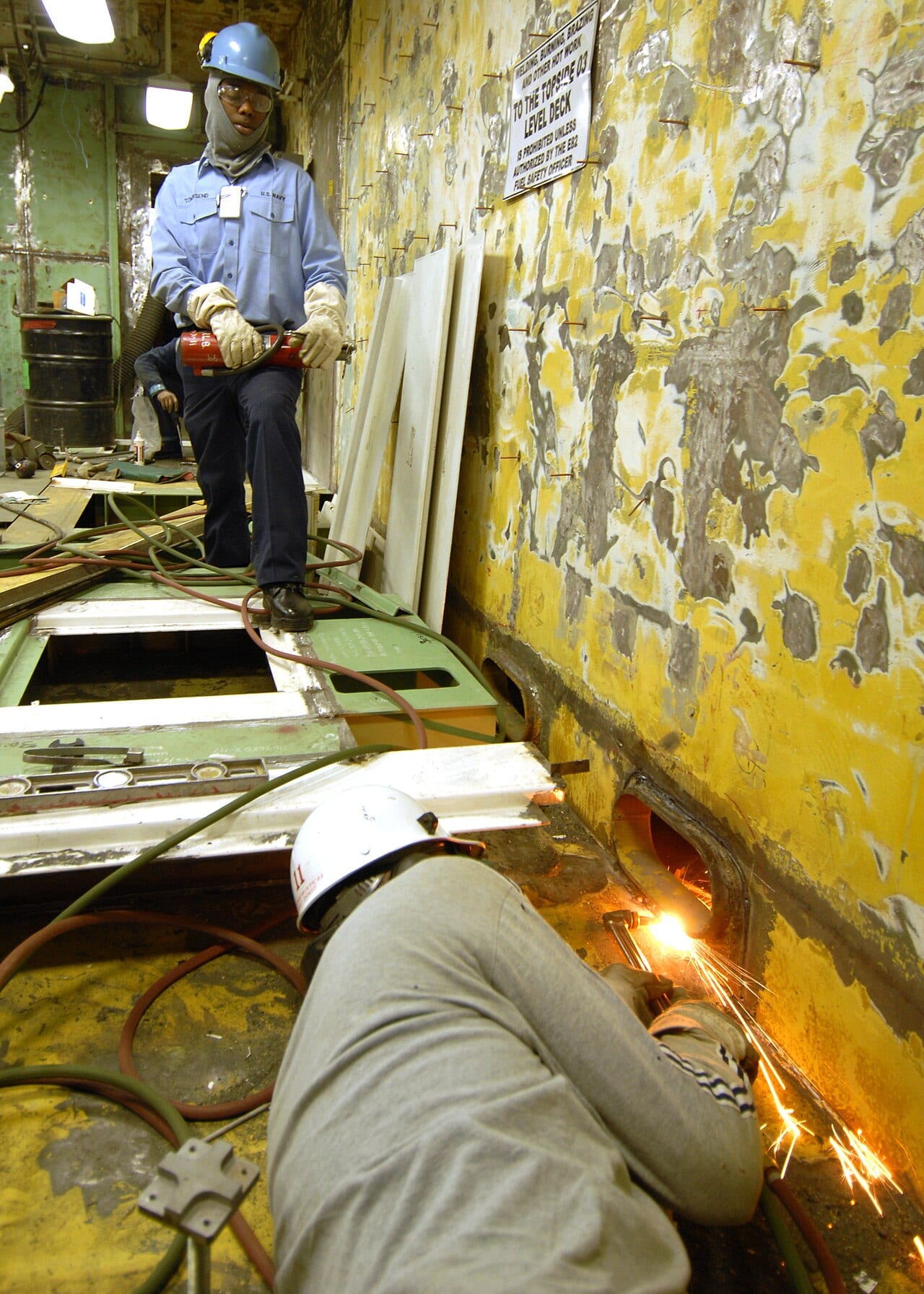
A fire watch keeps an eye out for sparks, heat or fire while a crew welds or cuts at an oil and gas site. They watch nearby areas that the welder cannot see. The site permit sets their duties, who they call for help and how long they stay after the work ends.
What a Fire Watch Checks During Oilfield Hot Work
Sparks can travel through a gap or land on the far side of a wall. The fire watch checks the areas named on the permit and keeps a way to call for help. A hole watch covers a confined-space entry. An HSE advisor can explain the rules, and an emergency response team member may respond if the site calls them.
The assignment is tied to the hot-work area and the conditions on its permit. The watch needs to see the places the work could affect and keep in contact with the crew. If the work moves or the view is lost, the assigned person raises the change through the site’s process.
The role includes the period after active work ends. The permit and applicable rules determine that cover. The handover needs to show which work area is being watched and what remains open. A fire watch and a confined-space attendant have different duties, even when one contractor supplies both kinds of staff.
Fire Watch Training for Oilfield Hot Work
Get the training named by the site before taking the post. For U.S. general-industry welding and cutting, OSHA requires fire watchers trained in the available fire equipment and familiar with the alarm arrangements. Site training also covers the permit, when to stop work and how to arrange relief for a break.
Challenges of Oilfield Hot Work for Fire Watch Personnel
The shift can include long waits, then a change that needs attention at once. Heat, noise or gear can block your view. A delay may extend the watch after the crew finishes. Another duty must not prevent the assigned person from carrying out the watch. Clear cover matters during breaks and shift changes.
Perks of Working as Oilfield Fire Watch Personnel
You see how welders, operators and safety staff plan hot work together. That experience can be a starting point for wider site work. Further duties need their own training and assessment.