What Does an Oilfield Fluid Hauler Do?
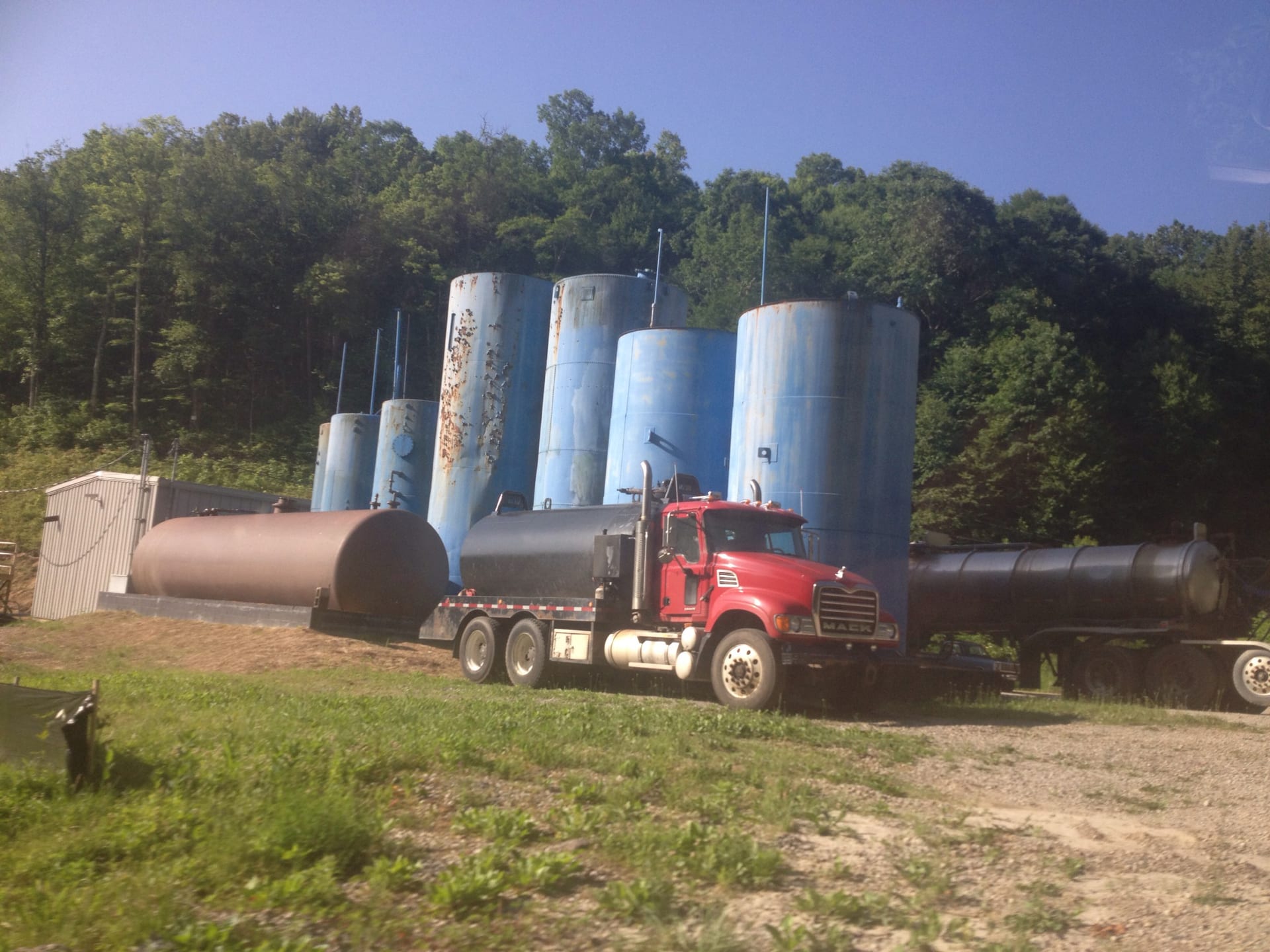
A fluid hauler uses a tanker to move liquids between oil and gas sites. One load could be fresh water for a crew. The next could be produced water from a well that needs to go to a disposal site. The cargo decides which tank and drop site to use.
Fluid Hauler Duties on Oilfield Tanker Runs
A fluid hauler matches the dispatch order with the load, truck and receiving site. The cargo may be fresh water, brine or produced water. Before the trip, the driver needs the right load records and a destination that can accept that material. The driver follows the assigned plan rather than guessing what an unknown fluid contains.
The shift includes loading and delivery work as well as driving. The hauler checks the truck, records quantities and keeps dispatch informed about delays. A change at the receiving site can affect the next run. Accurate tickets connect the load with its origin and destination.
Oilfield routes often include lease roads, queues and travel outside towns. Some jobs use a tractor and tanker; others use a straight truck. The vehicle and cargo determine the licence and extra training. A local water run and a remote waste-hauling contract can have very different hours.
Fluid Hauler Wages and Job Outlook
Alberta transport truck drivers earned CAD 21 to 42.31 per hour in Job Bank’s 2023–2024 data. U.S. heavy and tractor-trailer truck drivers earned USD 19.30 to 38.17 per hour for the middle 80% in May 2025. These employee groups cover many cargoes, not only oilfield fluids.
Canada projects 133,800 truck-driver openings in 2026–2035, including 93,800 from retirements and 16,300 from growth. The total covers the national industry. Remote hotel and meal allowances may depend on distance from home and whether camp is supplied.
Tanker Licences and Training for Oilfield Fluid Haulers
The driver needs the licence for the vehicle, plus cargo- and task-specific training. Alberta’s Class 1 Learning Pathway replaced MELT in April 2025, with further training changes in September 2026. It matters for a Class 1 route, not every straight-truck job.
Canadian dangerous-goods duties require adequate training and a certificate, or direct supervision allowed by the rules. Not every water load is dangerous goods. U.S. work may need a CDL with tanker or hazardous-material endorsements, depending on the vehicle and load. Employers may teach oilfield routes, site rules and their loading tasks after hire.
Challenges of Oilfield Tanker Work
Lease roads, ice, dust and night driving can make a short route take much longer. Western Canadian road bans can change legal loads or access. Queues and long trips add to the working day.
Perks of Oilfield Tanker Work
Local routes can offer regular contact with the same sites, while remote contracts offer more travel. The job combines driving with practical loading and record work. Experience can carry into other tanker fleets.