What Does an Oilfield Forklift Operator Do?
An oilfield forklift operator moves loads in a supply yard, shop, or warehouse. The loads can include pallets of parts and drums of drilling fluid. The operator checks the truck and load, then puts the goods where the next crew can find and use them.
Oilfield Forklift Operator Duties in Supply Yards
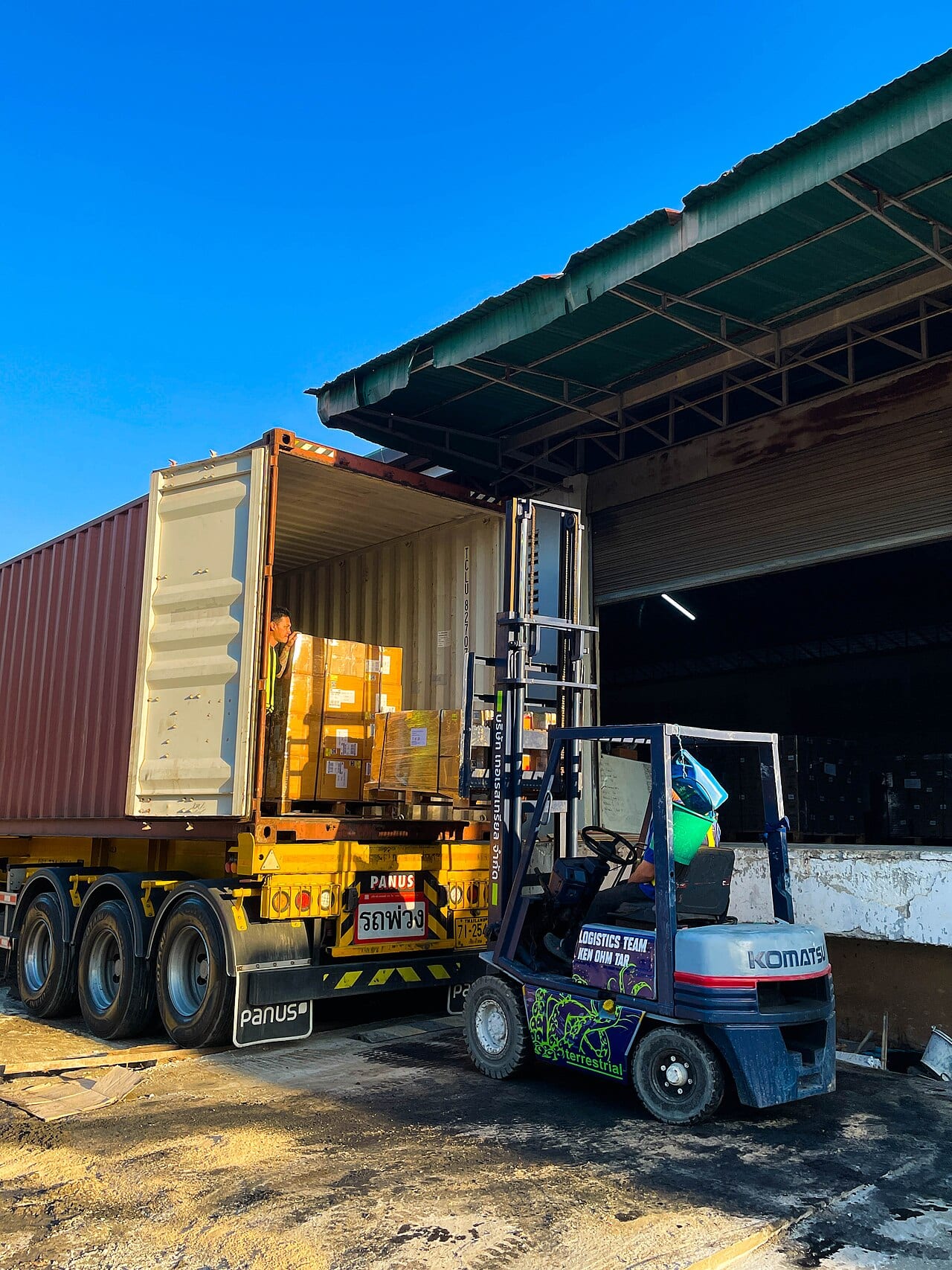
A forklift operator moves stock between receiving, storage and the crew that needs it. At an oilfield yard, loads may include boxed parts, pallets or drums. The operator checks the load identity and destination with stores staff so the right material reaches the right job.
The work includes pre-use checks, watching the travel area and recording damaged or missing stock. A forklift suited to a smooth warehouse floor may not suit a rough outdoor yard. Attachments and unusual loads change what the truck and operator need to be approved for.
The operator works with truck drivers, warehouse staff and people on foot. Good communication matters where deliveries and crew vehicles share a space. The warehouse supervisor sets stock priorities, while the operator supplies clear location and handling records.
Oilfield Forklift Operator Wages and Job Outlook
Alberta material handlers earned CAD 16.50 to 31.95 per hour in 2023–2024. This broad group includes work beyond forklifts. U.S. industrial truck and tractor operators earned USD 17.71 to 30.06 per hour for the middle 80% in May 2025. Neither is an oilfield-only rate.
Canada projects 92,600 material-handler openings in 2026–2035, including 49,900 from retirements and 27,000 from growth. These cover many industries. A remote-site role may also include camp or travel terms that a local warehouse job does not.
Forklift Operator Training in Canada and the U.S.
Training needs to fit the truck, attachments and workplace. A course card does not remove the employer’s duty to check that the worker can do the assigned job. Canadian rules depend on the province and site.
For U.S. powered industrial trucks covered by OSHA, employers must ensure training and workplace evaluation. Operator performance must be evaluated at least every three years, with refresher training when the rules require it. Employers may provide training after hire.
Challenges of Operating a Forklift in an Oilfield Yard
Loads, pedestrians and delivery trucks can all need the same yard space. Winter ice, poor light and uneven ground change outdoor conditions. Repeated checks and careful records remain important during a busy shift. Nights and remote rotations may also affect sleep and time at home.
Perks of Working as an Oilfield Forklift Operator
The role offers a practical route into warehouse and materials work. You can learn how parts move through an oilfield supply base and build experience with stock systems. A local yard may offer more routine than field travel.