What Does an FPSO Electrician Do on a Production Vessel?
An FPSO electrician keeps power and electrical gear working on a floating oil and gas plant. They maintain motors, cables and switchgear. They may also work on backup power and lighting. The crew helps find the source of a fault and records what was repaired before handing the gear back.
How FPSO Electricians Review Equipment Faults and Repair Records
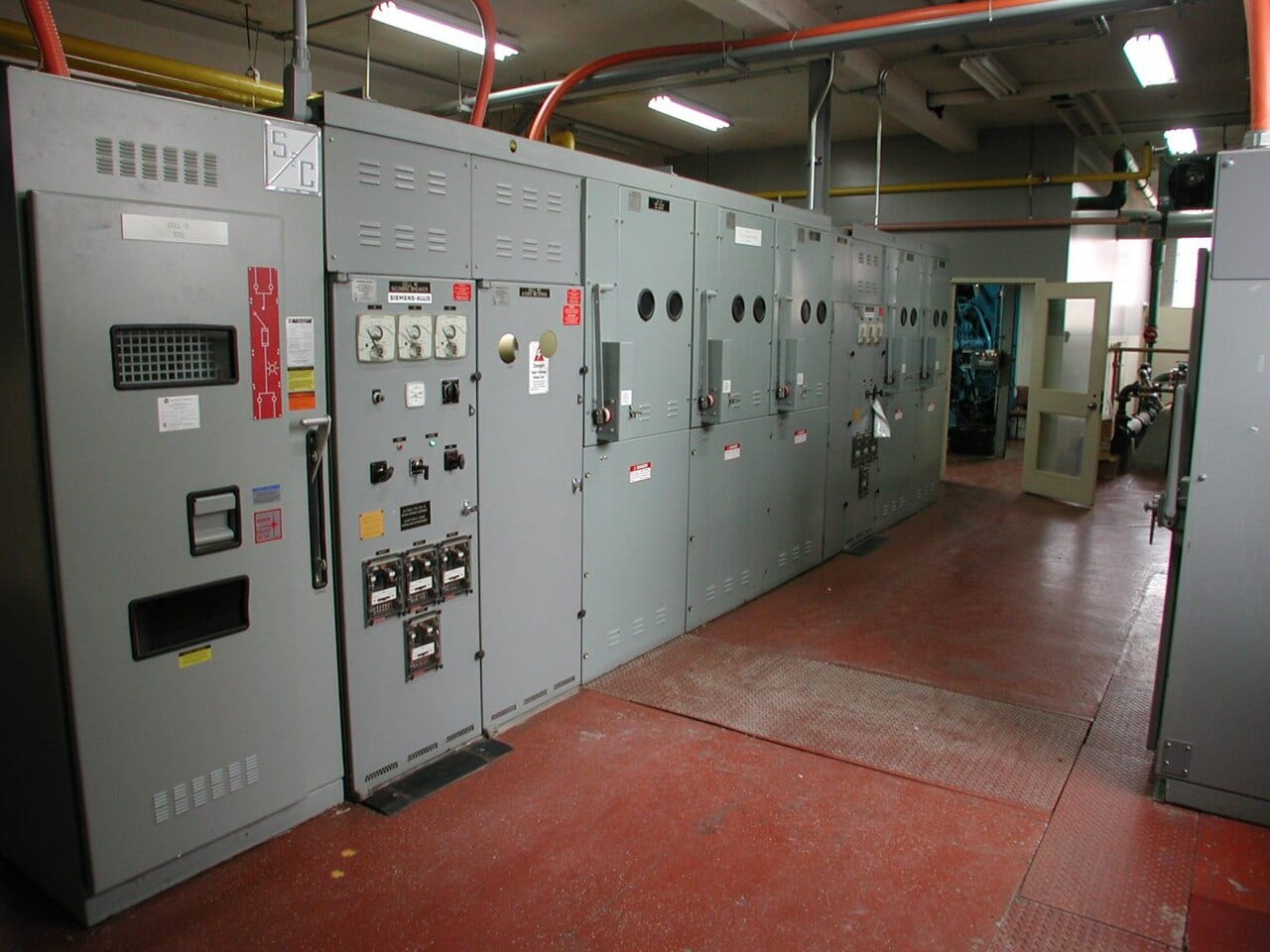
The electrician maintains electrical gear on the floating oil and gas plant. The assigned scope can include motors, cables, switchgear, lighting and backup supplies. Fault records and the vessel’s system drawings help the team decide which gear needs attention.
They work with operations and other trades under the site’s isolation and work controls. A motor problem may involve its supply, controls or the driven machine. The electrician records findings, repair details and the checks required before handover.
Equipment changes must match the vessel and hazardous-area design where relevant. Records need to show what was installed and tested. A specialist or engineer reviews changes beyond the electrician’s authority. Some posts are industrial trade roles. An electro-technical officer (ETO) is a marine officer. That post needs different credentials.
FPSO Electrician Pay and Job Outlook
Newfoundland and Labrador industrial electricians earned CAD 26.00 to 58.10 per hour in Job Bank’s 2023–2024 data. U.S. electricians earned USD 20.50 to 52.17 per hour for the middle 80% in May 2025. These include other sites and experience levels.
Canada projects 15,200 openings for industrial electricians in 2026–2035. That includes 8,900 from retirements. It is not an FPSO hiring total. Rotation, overtime, travel and allowances need clear terms.
Trade and Offshore Training for FPSO Electricians
An electrical apprenticeship is a common route. Licence and supervision rules depend on the region and assigned work. Experience with motors, protection and maintenance records helps in an industrial setting.
Employers teach the vessel and its assigned gear. Offshore medical and access requirements apply as relevant. An ETO post also needs the accepted marine credentials. One course or trade ticket may not cover the job.
Challenges of Electrical Maintenance on an FPSO
A fault may come and go while the plant needs the gear. Drawings and repair records must stay current. Offshore access, weather and spare parts can limit when work is done. Long shifts, call-outs and crew-flight delays affect rest and time at home.
Perks of Working as an FPSO Electrician
You build practical experience across industrial power and vessel systems within the assigned scope. Work with operators and other trades offers varied fault-finding experience. It can lead toward senior trade or maintenance roles. Confirm the gear covered and available technical support.