What Does an FPSO Operations Instructor Do?
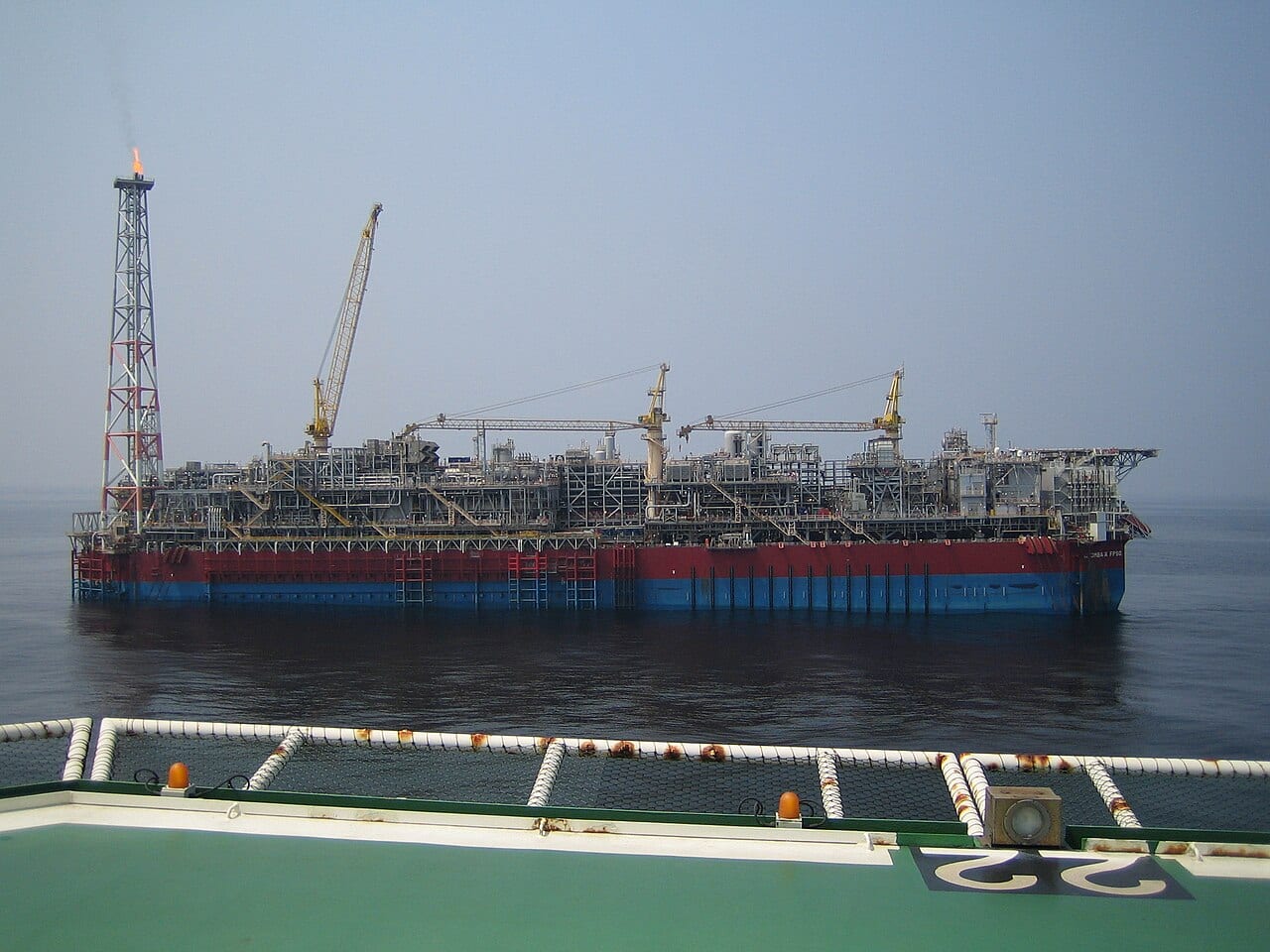
An FPSO operations instructor teaches crews how to work on a ship that gets oil from wells and stores it. FPSO stands for floating production, storage, and offloading. You may show a crew how the ship works or set up a drill for when a pump stops or a shift changes.
FPSO Operations Instructor Duties on Floating Production Vessels
Show how oil gets from a separator to storage and how the vessel team gets ready to send cargo to a tanker. Work with an FPSO control room operator and marine staff to build drills that match the vessel. Some training takes place ashore before crews go offshore.
The instructor checks which systems the learners will use and what the lesson is meant to achieve. A vessel-specific model can show the link between production controls and the marine operation. A generic model needs a clear explanation of where it differs from the actual FPSO.
Preparation includes choosing the starting case, checking its behaviour and agreeing on the crew roles. During the review, the instructor brings out what each group needed from the other. A useful lesson leaves the crew with a clearer handover or communication practice, with plant procedures set by the operator.
FPSO Operations Instructor Wages and Job Outlook
Job Bank’s 2023–2024 data show CAD 24.00 to 65.00 per hour in Alberta for college and other vocational instructors.
In May 2025, the middle 80% of the U.S. group for training and development specialists earned USD 18.64 to 59.26 per hour.
Canada projects about 51,200 openings in this broader teaching group from 2026 to 2035. That includes about 7,500 new jobs. About 34,500 openings could come from retirements.
The groups cover training roles across many sites and sectors.
FPSO Operations Instructor Training and Offshore Experience
People can come from production, marine operations, or technical training. Learn to run a lesson on the systems used on that vessel.
Experience needs to fit the systems being taught. A production specialist may need help from marine staff for a cargo-related exercise. Practice setting a clear learning goal and using the replay to give specific feedback. Developing or changing a process model can require separate simulation-engineering skills.
Challenges of Training Crews for FPSO Operations
Different vessels may use different controls and crew roles. Check who does what before you teach a drill based on a site that crews have yet to work on.
A group can include people from several vessels with different expectations of the controls. The instructor needs to identify those differences before treating a response as right or wrong. Offshore visits also need to fit the vessel’s work and crew availability.
Perks of Working as an FPSO Operations Instructor
The job brings plant and marine crews together. You can help both groups see what the other needs when a cargo move or an equipment fault changes the plan.
You can help learners see an interface that their normal job shows only from one side. It is a way to use offshore experience in teaching while continuing to learn how different vessel teams work.