What Does an FPSO Operator Do on an Offshore Vessel?
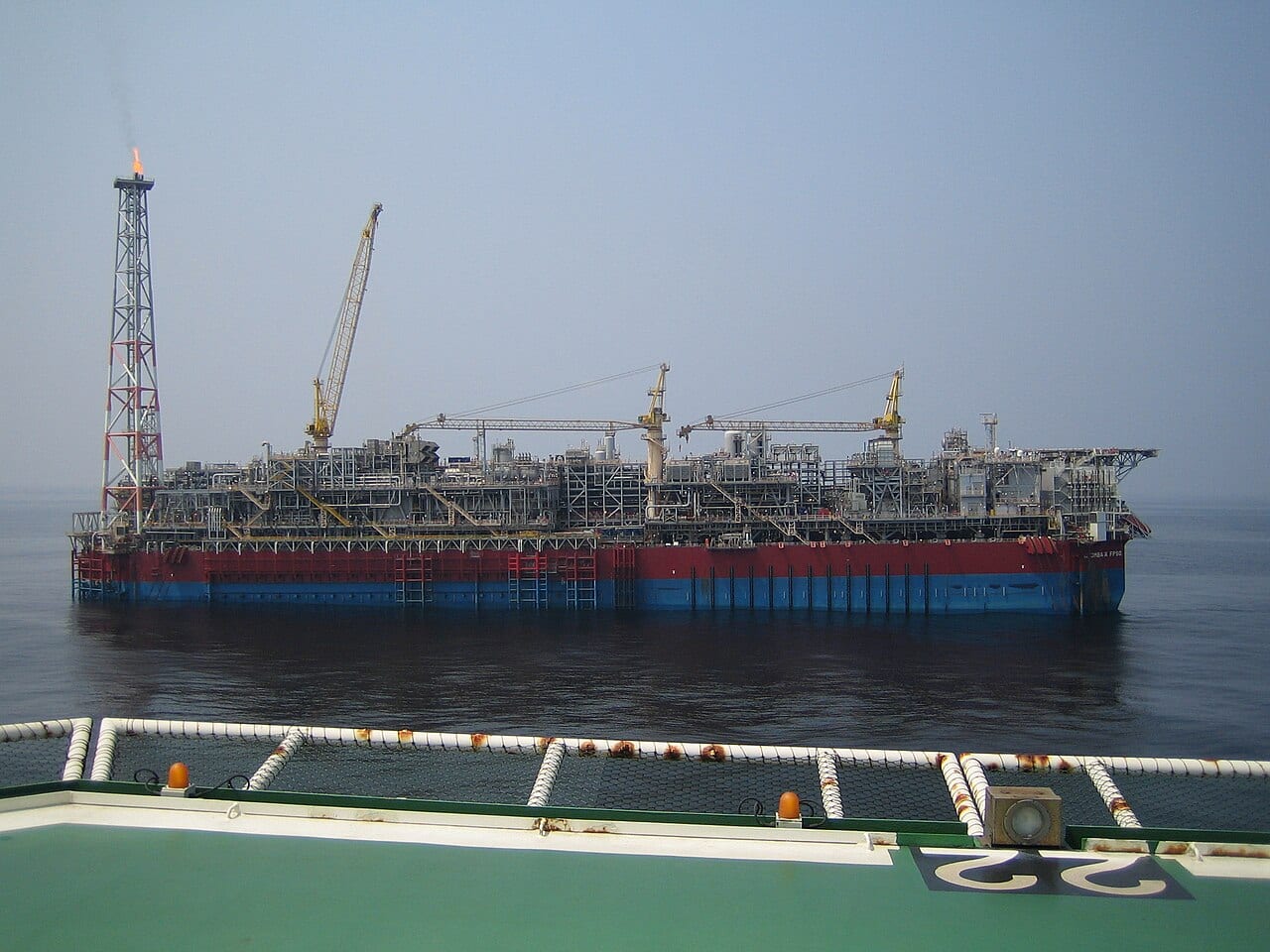
An FPSO operator runs production equipment on a floating oil and gas facility. FPSO stands for floating production, storage and offloading. The field operator checks pumps and tanks, takes readings and reports faults to the control room. Their work helps the crew turn the well fluids into separate streams.
How FPSO Operators Check Offshore Production Equipment
An FPSO field operator checks the process equipment on the vessel’s production deck. The systems may include separators, pumps and chemical treatment. Compare local readings with the control room and report a leak, unusual sound or other change. Screens and field rounds provide different parts of the same picture.
Follow the unit’s work process to prepare equipment for repair. The same process guides its return to use. Keep repair requests and shift records up to date. The FPSO control room operator and production supervisor need to know which equipment is available. The company assigns who can approve an isolation or work area. Not every operator holds that role.
Production crews handle the fluids from the wells. Marine and cargo crews may manage vessel systems and offloading to a tanker. At some units, duties overlap, but the training and reporting lines still need to be clear. A deck-production post does not by itself qualify someone to control ballast or direct tanker movements.
FPSO Operator Wages and Job Outlook
Newfoundland and Labrador’s broader oil, gas and chemical process group earned CAD 41.00 to 67.00 per hour in 2023–2024. This is a regional comparison, not an FPSO-only wage schedule. Vessel contracts can use a salary or day rate with different paid-day terms.
Canada projects about 4,100 openings in the national process group for 2026–2035. About 3,200 are due to retirements. The totals include land plants. They do not predict hiring on one offshore project.
A day rate paid only while aboard cannot be compared directly with a salary covering the full year.
Offshore Process Training for FPSO Operators
Plant or offshore production work can provide a route. Employers train operators on their unit’s equipment and assess each assigned duty. Knowing a similar separator does not mean the worker knows that vessel’s control and work-permit system.
The region and travel method set the needed safety training and medical checks. The employer should confirm what you need before travel. Marine papers are separate from production training. They apply when the job includes the relevant ship duties.
Challenges of Running Equipment on an FPSO
Equipment shares limited deck space with repair work and other crews. Wind, rain and noise can make rounds demanding. A clear handover helps the relief operator avoid relying on a unit that is still under repair.
Rotations mean time away from friends and family. Weather can delay flights or vessel transfers and extend the time aboard.
Perks of Working as an FPSO Operator
You learn how oil, gas and water systems fit together in a floating facility. The role combines field observations with close teamwork across shifts. Further training can support board or production-lead work. Marine or cargo roles need the qualifications for those separate duties.