What Does a Fracturing Engineer Do?
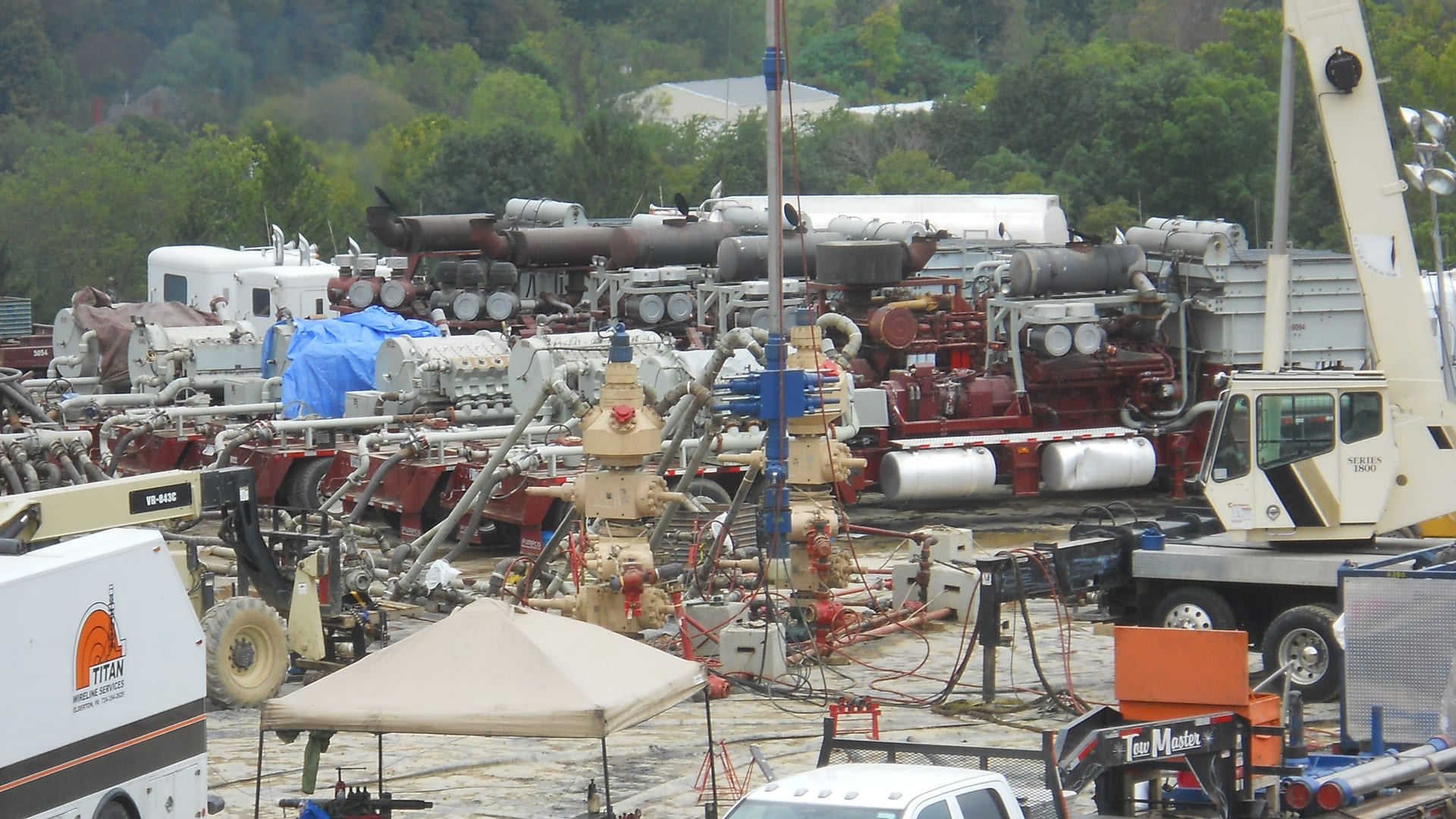
A fracturing engineer helps plan how a crew will pump fluid and sand into a well to open cracks in the rock. The cracks can help oil or gas move to the well. The engineer checks the plan against job data and helps the team decide whether to make changes.
How Fracturing Engineers Review Well Treatments and Stage Results
The engineer studies the rock, well and treatment goals before a frac job. They compare ways to create useful flow paths and place proppant, the solid material that helps hold fractures open. The design must fit the well’s limits and the wider completion plan.
They review models and job data with the completion engineer and service team. During work, they compare pressure, rate and material records with the plan. The frac supervisor leads the pumping crew. A proposed change needs the job’s agreed technical and operating review.
Diagnostic work, such as a data frac or diagnostic fracture injection test, helps assess rock and pressure behaviour. It differs from diversion, which directs treatment toward another part of the well. After the job, the engineer checks the final record and compares later well results with the design assumptions.
Fracturing Engineer Pay and Job Outlook
For broad context, Alberta petroleum engineers earned CAD 46.67 to 96.15 per hour in Job Bank’s 2023–2024 data. U.S. petroleum engineers earned USD 39.16 to 121.73 per hour for the middle 80% in May 2025. Neither range is a frac-only scale.
Canada projects 2,100 petroleum-engineer openings in 2026–2035, including 1,300 from retirements. Other specialties are included. Camp, hotel and meal support depend on the post and distance from home.
Fracturing Engineer Training and Career Path
A petroleum or related engineering degree is a common route. Learn rock behaviour, well records and how field data are measured. Service firms may train new engineers on their equipment, software and supervised job duties.
Local rules govern professional practice. Site work needs the relevant induction and task training. Field time helps connect a model with real equipment and crew constraints.
Challenges of Working as a Fracturing Engineer
A stage can behave differently from the model. The team needs clear records and timely contact between the site, office and well operator. Field roles can bring long shifts, rural travel and time away from home. Weather and spring road restrictions can also disrupt equipment moves or job dates.
Perks of Working as a Fracturing Engineer
Each job offers data to compare with the next design. The work joins rock studies with field results and gives contact with several well-service teams. It can lead toward completion design or a technical specialty. The balance between office study and field rotation varies by employer.