What Does an FPSO Gas Engineer Do?
An FPSO gas engineer helps treat gas on a ship that takes oil and gas from wells. They check how the ship’s gas systems run. If flow drops or the gas is too wet, they help the crew find out what changed and what to check next.
FPSO Gas Engineer Duties in Oil and Gas
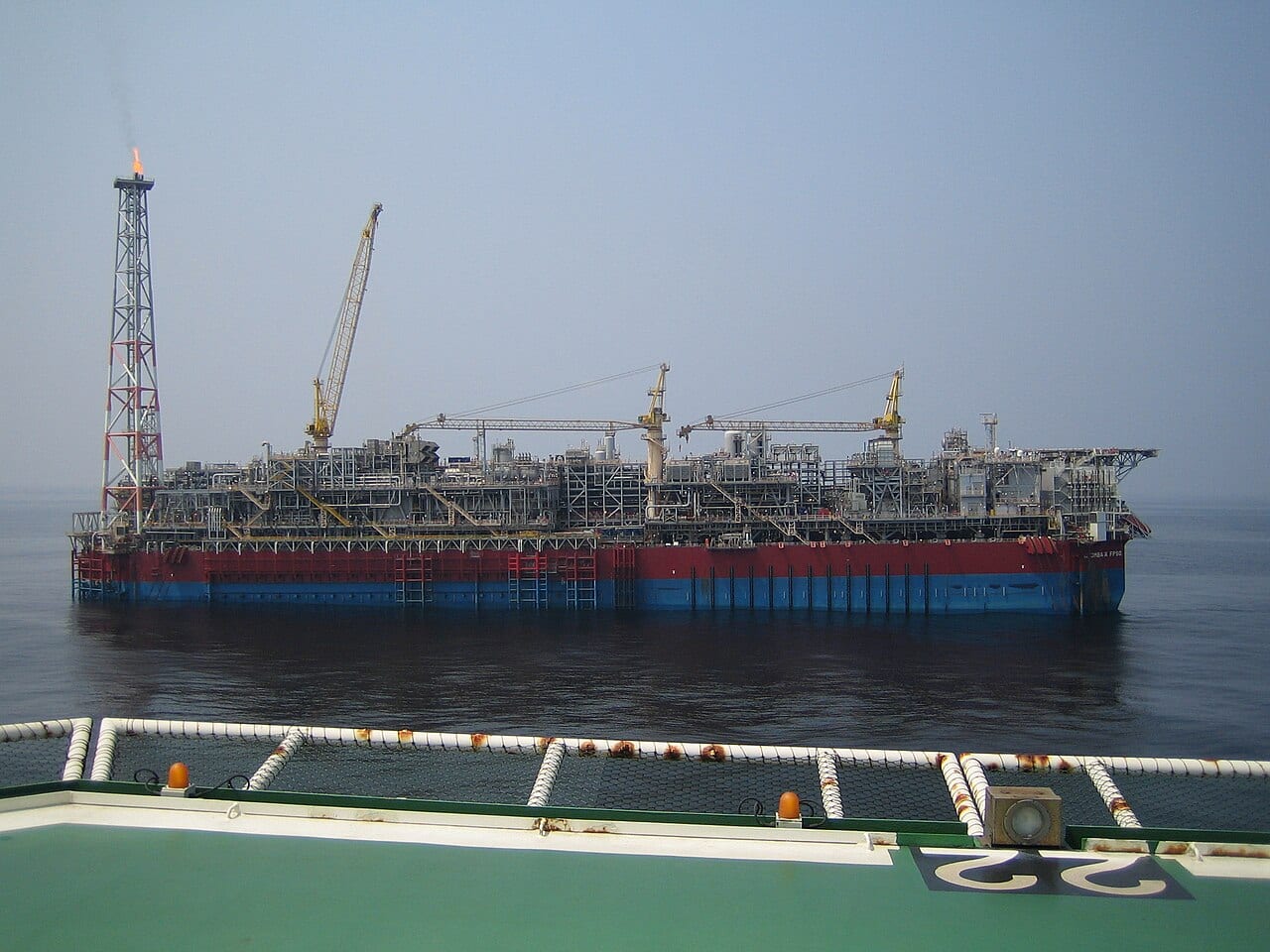
FPSO stands for floating production, storage and offloading unit. Gas engineering often forms part of a process team. It is not a fixed rank on every vessel. The engineer studies how separated gas is compressed, treated and sent to its destination. Depending on the vessel, that can be export, fuel, injection or gas lift.
A study may compare the measured flow and gases present with the design. The engineer checks how heat and fluids move through the plant. They also review equipment data and how the controls are meant to work. A compressor supplier may help explain an equipment limit. The operating crew supplies trends and field observations. Neither a computer model nor a single changed reading explains the whole system on its own.
The work can include checking proposed plant changes, supplier records and process drawings. An FPSO oil engineer handles related oil-system questions. An allocation engineer works on measured production shares. The gas engineer checks how the units fit together. The assigned operating crew runs the equipment.
FPSO Gas Engineer Training and Career Path
Chemical or process engineering is a common route. Learn gas treatment, compression and process simulation, then compare models with operating data. Design-office and offshore-support posts can have different experience requirements. The employer sets who reviews and approves the design work. Offshore trips also need the accepted medical and site training. Those courses serve a different purpose from process-engineering skills.
Challenges of Working as an FPSO Gas Engineer
A limit in gas handling can constrain oil production as well. Changes in feed or compressor availability may affect several units together. The engineer needs current data from the vessel and a clear record of what the study assumes. Offshore support can also mean call-outs, travel or periods away from home.
Perks of Working as an FPSO Gas Engineer
You see how gas treatment connects wells, compressors and the rest of a floating plant. Working with operators and suppliers builds knowledge that is difficult to gain from design calculations alone. The experience can lead to a gas-system specialty or broader offshore process work.