What Does a Geochemist Do?
A geochemist studies the chemistry of rocks and fluids. In oil and gas, you may test rock to see whether it could have made oil or gas, then compare its chemical clues with samples from wells. The findings help a team piece together where the fluids came from and where they moved.
Rock and Fluid Study Duties for Petroleum Geochemists
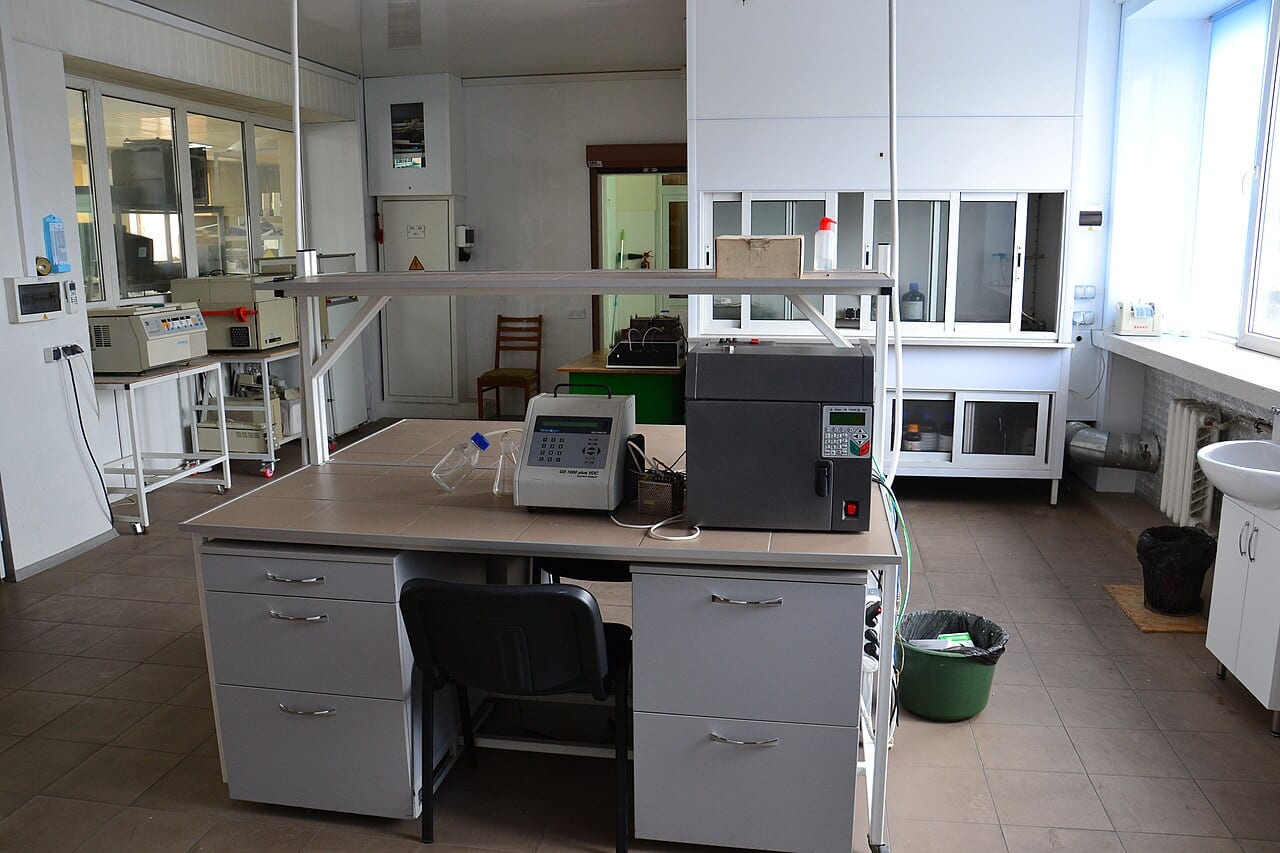
Choose tests that address the field question. Check the sample record with the lab. Source-rock work can measure organic content and how heat has changed it. Fluid studies can compare chemical markers in oils, gases or rock extracts.
Compare several kinds of evidence. Chemical markers may link an oil to a source rock. Alteration or mixed fluids can complicate that link. Show what the tests measured and what you infer about the geology.
Work with the basin modeller on when fluids could have formed and moved. Other assignments examine changes in fluid composition across a field. The geochemist may plan the study and interpret the results. Lab staff may carry out the tests.
Geochemist Pay and Job Outlook
Job Bank lists CAD 28.85 to 117.95 per hour for geoscientists and oceanographers in Alberta for 2023–2024. In May 2025, the middle 80% of U.S. geoscientists, excluding hydrologists and geographers, earned USD 28.52 to 96.26 per hour.
Canada forecasts 4,400 openings in this broad group over 2026–2035. Around 2,600 are due to retirement. These totals cover all the group’s industries and specialties.
The figures here apply to geoscience groups. Some posts focus on lab methods. Others focus on using lab results to answer a field question.
Geochemist Training and Career Path
Chemistry, geology or geochemistry can provide a degree route. Some research posts seek graduate study. Early work may include tracking samples and lab quality checks. Learn to compare results from different methods.
Learn the limits of each analysis and how to write a clear study report. Lab staff need training for the chemicals and equipment they use. An office study role has a different work pattern from daily sample tests.
Challenges of Working as a Geochemist
A contaminated sample can produce a precise result that answers the wrong question. Fluids may also have mixed or changed after they formed. Check the sample history and other possible causes. A match in one well needs more support before it is applied across a field.
Perks of Working as a Geochemist
The work connects laboratory measurements with questions about a field’s origin and fluids. It suits someone who enjoys both chemistry and geological reasoning. Posts range from lab work to asset studies and consulting.