What Does a Geological Data Manager Do?
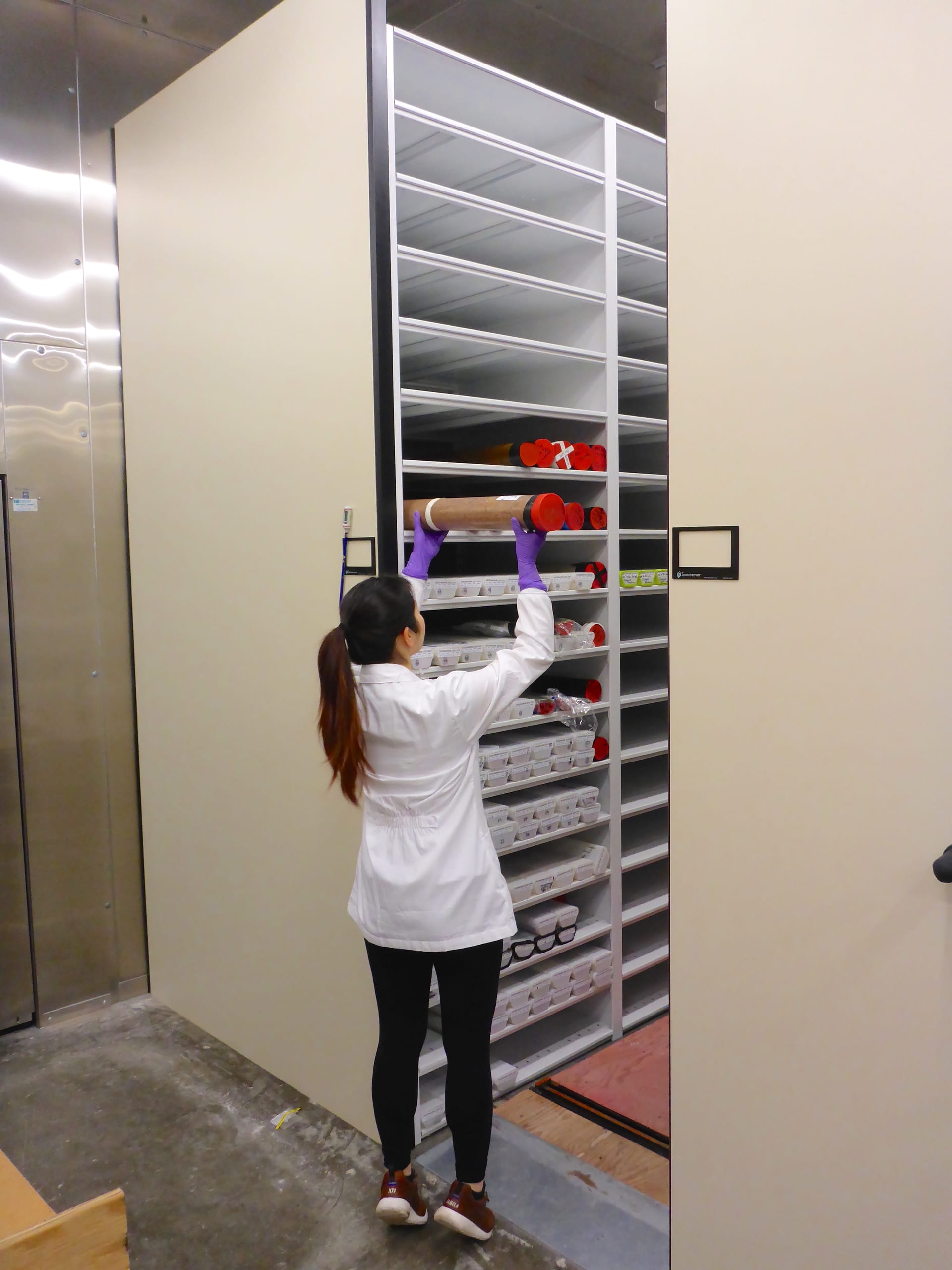
A geological data manager keeps the rock records that oil and gas teams need for their work. You might track where a core sample is stored or which map goes with a set of well logs. The role helps a new team find the evidence behind a study from years ago.
How Geological Data Managers Track Well Logs and Geological Samples
Keep each record linked to the sample or well behind it. The catalogue may include logs, maps, reports and core analysis. Record the source, location and version so a later team can find the evidence used in a study.
A sample needs its storage and well details. A file needs its units and depth reference. A well file analyst can help match scanned records. Flag a conflict between an original and a later copy rather than assume the newest file is correct.
Prepare data for geologists, geomodellers and a reservoir engineer. Track loans, copies or transfers where those duties apply. Technical staff decide how to interpret the samples and logs. The data manager keeps the records and any use limits clear, including when material is archived or moved.
Geological Data Manager Pay and Job Outlook
Job Bank lists CAD 21.59 to 67.00 per hour for geological and mineral technologists and technicians in Alberta for 2023–2024. In May 2025, the middle 80% of U.S. geological technicians, except hydrologic technicians earned USD 17.20 to 47.86 per hour.
Canada projects about 2,000 openings in the Canadian group from 2026 to 2035. About 1,100 could come from retirements.
These figures cover geological technicians and technologists. Use them for comparison with hands-on records work. A job that leads staff, sets data policy, or runs a wider platform can have a different pay scope.
Training for Geological Data Managers
You can enter through geology, geological technology or data work. Learn the sample and well naming systems and the software used to hold records. Understanding how a core or log is measured helps identify a record that needs a specialist check.
Employers may train staff in their applications and collection rules. Cenovus’s senior technologist role combines data and geoscience support. Its entry requirements are not the minimum for every records job.
Challenges for Geological Data Managers
An old sample label or report may use a name that no longer appears in the current database. A wrong match can stay hidden because the file still opens. Keep the old name and the reason for the match. Later users can then check it.
Physical collections and digital systems need different care. A scan does not replace every use of an original sample or record. Ask who manages access. Check how the team records missing items, loans and work awaiting review.
Perks for Geological Data Managers
You help bring older evidence back into use and see how field records support new studies. The job can combine detailed checking with contact across the technical team. It can suit someone interested in geology who enjoys organizing evidence as well as finding and explaining gaps.