What Does a Geophysical Survey Engineer Do?
A geophysical survey engineer helps set up and test gear that maps the seabed or rock below it. At sea, you may link sensors with the system that tracks the ship's location. This gives the crew a way to put each reading in the right spot on a map.
Geophysical Survey Engineer Duties in Oil and Gas
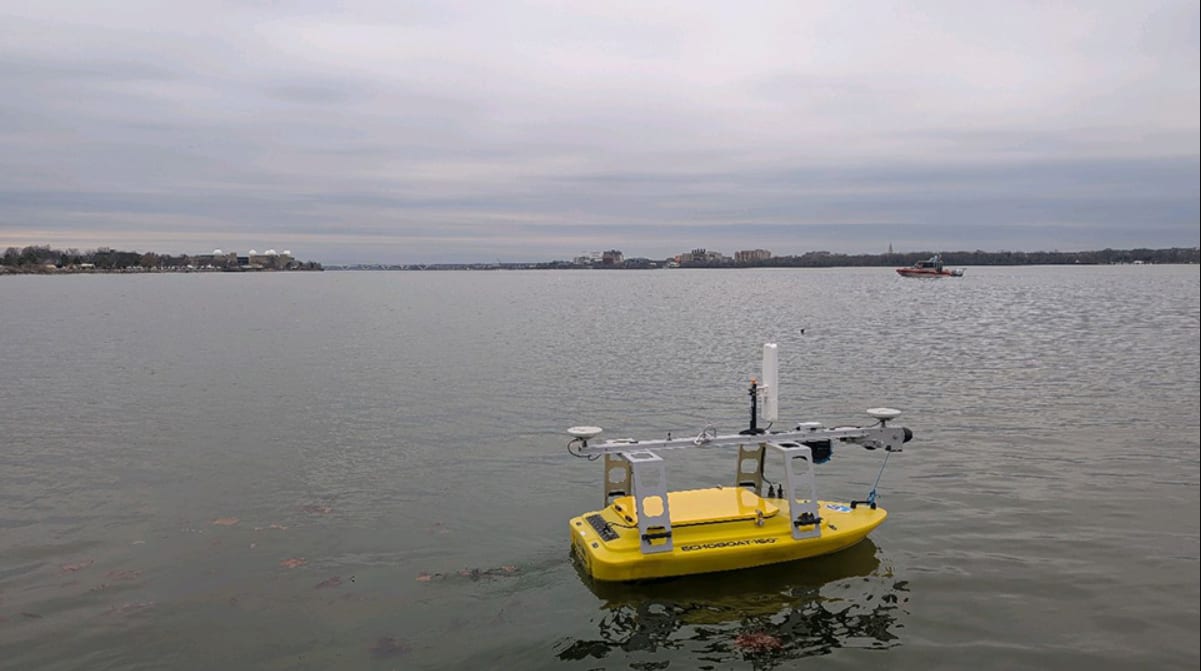
The engineer prepares and checks the survey gear. At sea, a usable record needs the sensor reading linked to a reliable position and time. With side-scan sonar, the survey team also needs to know where the towfish was relative to the vessel. The exact setup depends on the system and survey plan.
During acquisition, checks on real-time data help identify missing records or faults. The engineer logs what changed and reports the equipment status to the party chief. The next watch needs that history. Workshop preparation, vessel setup and offshore support may all be part of the post.
A geophysicist interprets what the data reveal about the seabed or underlying rock. The survey engineer focuses on getting a sound equipment record. Jobs can use different sensors.
Geophysical Survey Engineer Training and Career Path
Electronics, engineering or survey training can provide a route. Some employers also accept field experience for particular posts. Learn the sensors, position systems and fault logs used on the job. The survey lead reviews the work as your skills grow. Vessel jobs need the medical and safety training accepted for that operation.
Challenges of Working as a Geophysical Survey Engineer
A position or timing fault can affect data that otherwise look clear. Finding it late may mean repeating part of a survey. Weather and vessel access can limit repair time. The role can also involve watches, offshore travel and shared accommodation for the length of the assignment.
Perks of Working as a Geophysical Survey Engineer
You can connect equipment checks with the survey data produced that day. The work combines practical electronics with mapping and marine operations. Experience can lead toward a survey-system specialty, technical support or leading equipment work on a vessel.