What Does a Glycol Dehydration Operator Do?
A glycol dehydration operator runs a unit that dries natural gas. It uses a liquid called glycol to take water out of the gas. The operator checks the unit on shift. They tell the crew if a reading has changed or the gas needs a new test.
How Glycol Dehydration Operators Check Gas Drying Units
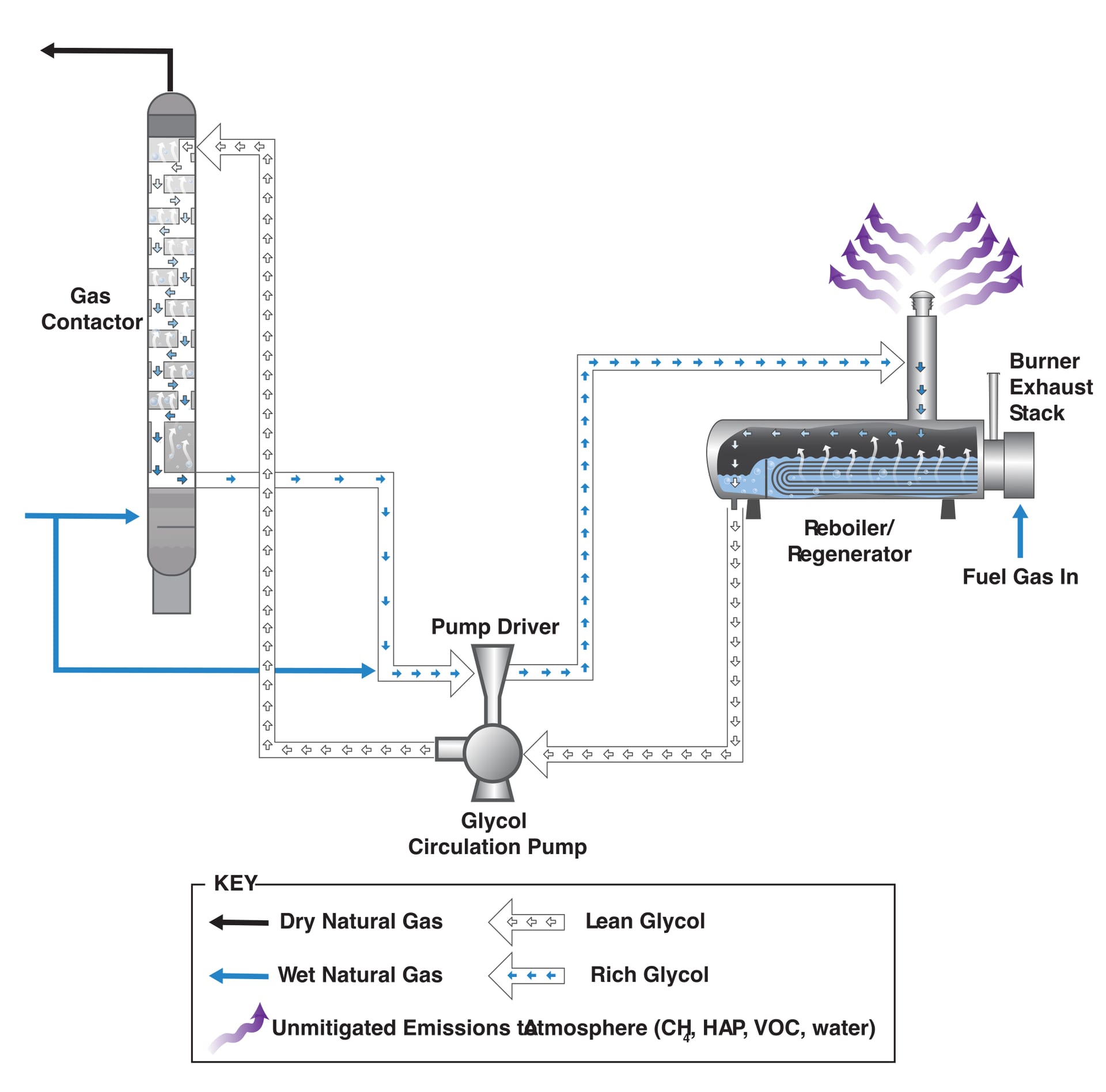
A glycol dehydrator removes water from natural gas. Glycol takes up water in a vessel called a contactor. Heat then removes that water so the glycol can be reused. The operator checks the unit’s readings and records whether the gas meets the site’s moisture target.
Rounds can cover levels, temperatures, pumps and sample records. Compare changes over time rather than judging one reading alone. Gas flow, incoming liquids or glycol condition can affect the result. Report the evidence to the lead operator before a change to the operating plan is considered.
A gas plant operator may cover this unit along with other equipment. Some field posts cover several remote locations.
Glycol Dehydration Operator Wages and Job Outlook
Alberta’s broader oil, gas and chemical process operator range was CAD 32.00–72.12 per hour in 2023–2024. The middle 80% of U.S. gas plant operators earned USD 29.50–55.54 per hour in May 2025. Both cover more than glycol units.
Canada projects 4,100 openings in its wider process group for 2026–2035, with about 3,200 due to retirement. The total includes replacement needs across several plant jobs.
Glycol Dehydration Operator Training for Gas Plant Work
Trainees can learn rounds and record checks under an experienced operator. Process study or previous plant work can help. Employers train staff on their unit and approved settings. In Canada, certain pressure or boiler duties can add provincial power engineering requirements; check the actual equipment and post.
Hot fluids and gas under pressure need controls for that site. Glycol systems can also carry harmful vapours. Learn the site’s gas checks and chemical rules. A general course does not qualify someone to light, open or repair the unit.
Challenges of Gas Plant Work for Glycol Dehydration Operators
A slow decline in drying performance can be hard to spot without good trends. A remote unit may need a long drive in poor weather before a field check is possible. Nights and callouts can affect rest.
Perks of Gas Plant Work for Glycol Dehydration Operators
You build a clear link between plant readings and gas quality. The skill can support work on larger gas plants or wider field routes.