What Does a Heavy Duty Mechanic Do in Oil and Gas?
A heavy duty mechanic services and repairs trucks, loaders and other large machines. At oil and gas sites, they check parts such as brakes, hydraulics and drive systems. They may work in a shop or take a service truck to the machine when it breaks down in the field.
How Heavy Duty Mechanics Repair Oilfield Trucks and Loaders
A heavy duty mechanic starts with the fault report and the machine’s service history. A loader that loses drive can have a different cause from one that has weak hydraulics. The mechanic checks the symptoms, reads fault codes and uses test results to plan a repair. They need both the correct part and a reason for changing it.
The work can cover engines, transmissions, brakes and hydraulic systems. In a shop, the team may have a planned rebuild and lifting gear close by. A field call means bringing tools and parts to the machine. Repair notes tell the next shift what was found, what changed and which checks remain.
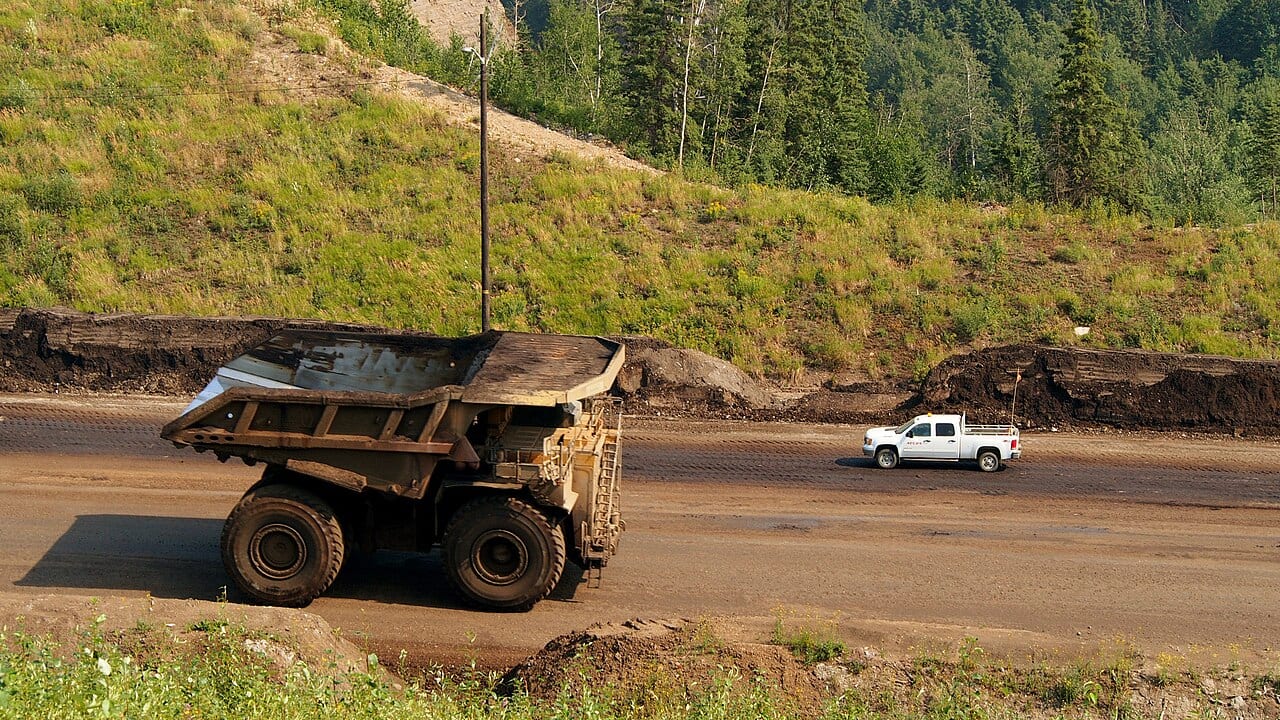
NACG’s Fort Hills service-truck posting asks for experience with large mine trucks, dozers, graders or excavators. That fleet is one possible oil-sands setting. Other employers maintain smaller construction fleets or highway trucks. The equipment list matters when you compare a job with your own trade background.
Heavy Duty Mechanic Wages and Job Outlook
Alberta heavy-duty equipment mechanics earned CAD 23.50 to 65 per hour in Job Bank’s 2023–2024 data. U.S. mobile heavy-equipment mechanics earned USD 22.51 to 45.41 per hour for the middle 80% in May 2025. These broad groups include work outside oil and gas.
Canada projects 28,700 openings in the group in 2026–2035, including 12,600 from retirements and 11,800 from growth. A contractor’s rate for supplying a service truck also pays for business costs. Camp, flights and shift premiums depend on the contract.
Heavy Duty Mechanic Training for Oilfield Trucks and Off-Road Fleets
Alberta requires a recognised trade certificate or registered apprenticeship for restricted heavy-duty technician work. The off-road and truck-and-transport routes cover different equipment. An apprentice works within the trade’s training and supervision rules; experience alone does not replace that route.
U.S. employers set requirements for the fleet and may train staff on its diagnostic tools. Some tasks have separate credentials or legal rules. NACG’s Fort Hills example seeks a qualified off-road mechanic and experience after qualification.
Challenges of Working as a Heavy Duty Mechanic in the Oilfield
Field repairs bring mud, cold, heat and long trips between machines. A part may be hours away while a crew waits for its equipment. Mine shifts can include nights and time away from family. Shop work avoids some travel but still involves awkward access and heavy parts.
Perks of Working as a Heavy Duty Mechanic
You can follow a fault through testing, repair and the machine’s return to service. Skills in engines, hydraulics and drive systems apply to several fleets. Some jobs offer a steady shop base; others offer field variety.