What Does a Helicopter Landing Officer Do Offshore?
A helicopter landing officer leads the flight deck crew on an offshore rig or vessel. They check that the deck is clear. They keep people back and share wind and deck reports by radio. The pilot decides whether to land or take off. The officer directs the deck crew.
How a Helicopter Landing Officer Prepares the Helideck
The helicopter landing officer, or HLO, leads the deck team and gives the pilot the agreed reports. The offshore installation manager or vessel team needs to know about changes that affect deck readiness. The pilot makes the aircraft’s flight decision. The HLO’s role is to coordinate the deck team within the site’s plan.
On a vessel, a dynamic positioning operator has a separate station-keeping role. The HLO reports local deck conditions and keeps crew and passenger movements aligned with the plan. An HSE advisor supports site rules. Leading an emergency team or refuelling may be extra duties. Each needs the right training and formal approval for that role.
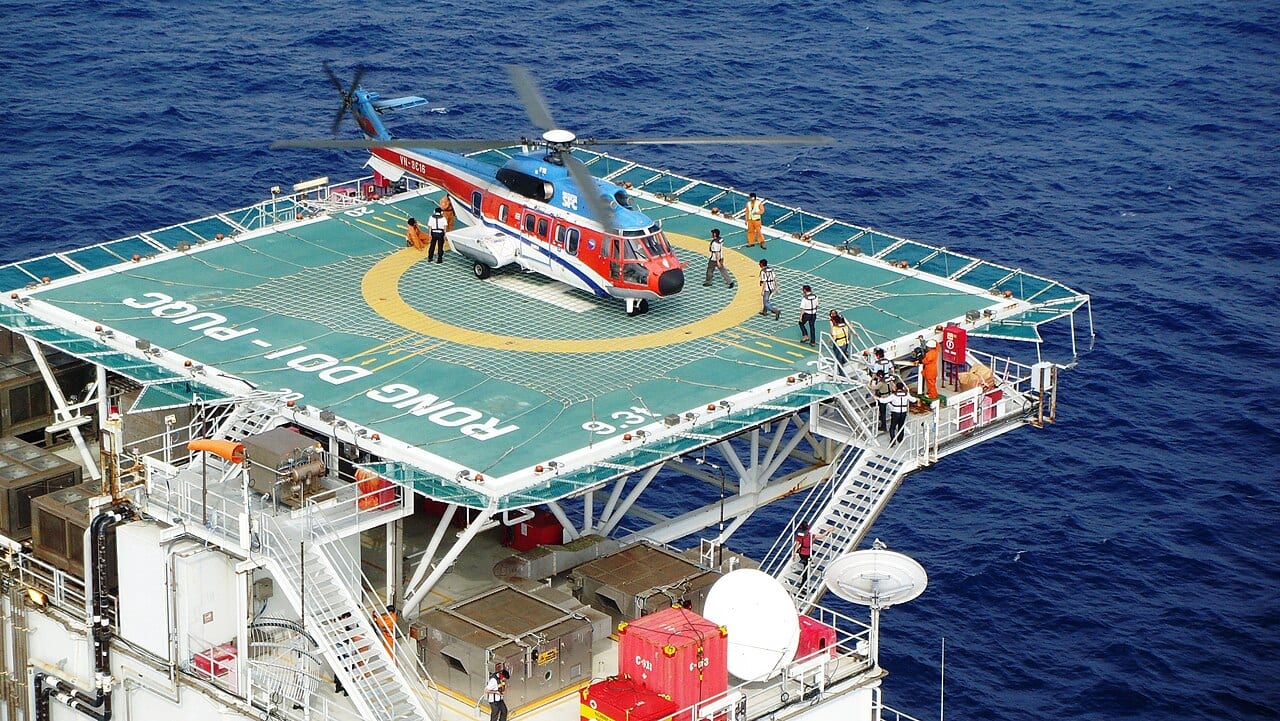
Helicopter Landing Officer Training for Offshore Work
OPITO starts with a shore-based course, then offshore training and skills checks. Some posts also need radio, weather-reporting or refuelling training. The first course alone does not qualify you for every deck or emergency role.
Challenges of Offshore Work for Helicopter Landing Officers
Wind, rain and rotor noise make communication harder. A delayed flight can change passenger plans and the shift schedule together. The HLO needs clear updates from the vessel or installation team.
Perks of Offshore Work for Helicopter Landing Officers
You lead a small team with a visible role in crew travel. You learn to give clear reports and organise a busy deck. With further training, it can add to a crew member’s other offshore duties.