What Does a Helium Plant Operator Do at a Gas Plant?
A helium plant operator runs equipment that cleans and separates helium from a gas stream. They check field and screen readings and track what the plant sends out. The job can include watching how gas from a new well or feed line affects the unit and telling the crew what changed.
How Helium Plant Operators Check Feed and Product Quality
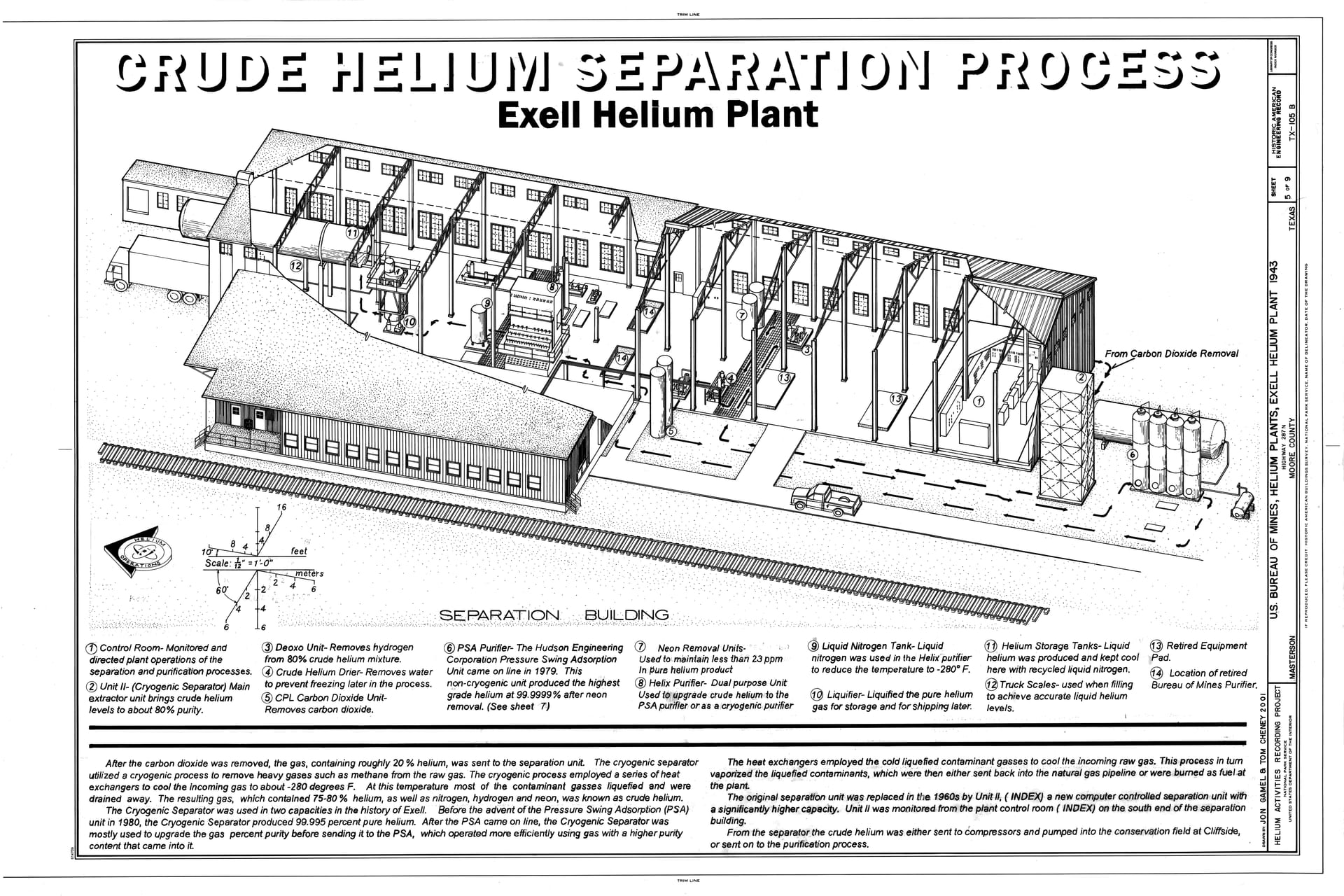
The operator follows the gas from its feed line through separation and into the product system. A plant may use membranes and pressure swing adsorption. Membranes let some gases pass through more readily than others. Adsorption uses a material that holds impurities so the helium stream can become purer.
Operators check the pressures, temperatures, flow readings and gas analyzers for their unit. They compare a new reading with earlier trends and the shift log. A product result outside the expected range needs a check under the site's procedures and a clear report to the crew.
The job can also include compressor checks, gas drying equipment and routine maintenance. Some plants include liquefaction, which turns helium into a liquid for transport. Other plants make a high-pressure gas product.
A helium engineer uses feed tests and plant records to study a change in performance. The operator supplies the field observations and confirms which equipment was running. A gas plant operator may have useful related experience, though the product and process need their own training.
Helium Plant Operator Wages and Job Outlook
Job Bank lists CAD 32.00 to 72.12 per hour in Alberta for oil, gas and chemical process operators in 2023–2024. In May 2025, the middle 80% of U.S. gas plant operators earned USD 29.50 to 55.54 per hour.
Canada projects about 4,100 openings in its group from 2026 to 2035. About 3,200 could come from retirements. These are wider gas plant and process groups.
Helium Plant Operator Training for Gas Plant Work
Process technology study or gas plant experience can help you enter this field. Learn to read a process drawing, track a gas stream and explain an instrument reading. Employers train staff on the installed units and check their readiness for assigned tasks.
Experienced U.S. posts can ask for cryogenic plant and compressor work. A cryogenic plant handles very cold fluids. That experience is distinct from basic gas handling.
In Canada, check the province's rules for any regulated plant duties and the certificates named for that site. A broad process-operator title does not settle the required class. Site training should cover the actual pressure, gas and equipment hazards. Do not assume every helium plant also handles flammable feed.
Challenges of Gas Plant Work for Helium Plant Operators
A new feed stream can change recovery and product quality. The crew needs reliable records to separate a real process change from an instrument fault. The next shift also needs to know which tests or repair requests are still open.
The work may include shifts, callouts and time at remote sites. Noise, high-pressure gas and, at some plants, very cold equipment shape the job. Confirm the roster, field coverage and response arrangements for a small crew.
Perks of Gas Plant Work for Helium Plant Operators
You learn how well gas becomes a product for industrial users. The role builds experience with separation units, compressors and quality checks. That knowledge can lead to broader plant duties, panel work or training new operators.