What Does an FPSO Hull Engineer Do on a Vessel Project?
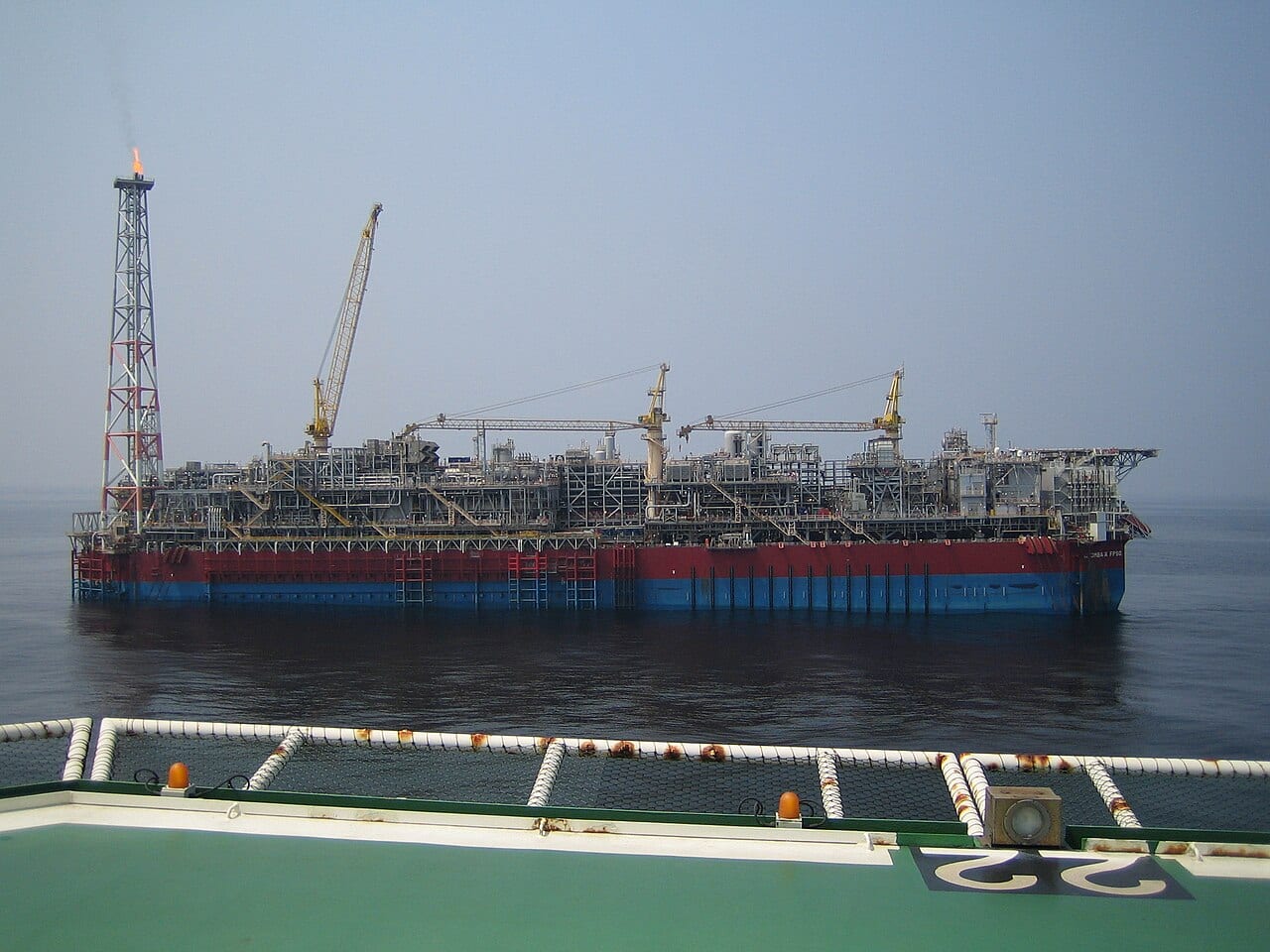
An FPSO hull engineer works on the body of a vessel that produces and stores oil at sea. The hull must carry the plant on deck and hold oil in its tanks. You check how it floats, how loads reach the steel, and what the shipyard or the crew needs to inspect.
FPSO Hull Engineer Duties in Oil and Gas
Review the hull structure and its loads with the marine and project teams. The topsides engineer supplies loads from the plant on deck. Hull work also needs the tank arrangement and operating cases used in the vessel design.
Check where moorings and risers connect to the hull. Review other equipment interfaces too. Work with designers on drawings and with the yard on construction questions. Keep design revisions current. Record changes in the as-built information.
Some posts focus on structural strength; others include naval-architecture or in-service integrity work. Stability assessment and detailed steel design are related but different tasks. The employer must define the disciplines covered.
FPSO Hull Engineer Pay and Project Scope
The middle 80% of U.S. marine engineers and naval architects earned USD 39.91–83.33 per hour in May 2025. This broad group covers many vessel types, including ships outside the oil industry.
FPSO Hull Engineer Training and Career Path
Naval architecture, marine or structural engineering can lead into the work. Learn ship drawings, load paths and the methods used for the assigned hull scope. Junior staff can prepare calculations under review. They may also help with drawings and records.
Design approval and class requirements depend on the project and region. The employer may teach its analysis and modelling tools. Yard visits need the right access and safety training. Offshore assignments may add medical requirements.
Challenges of Working as an FPSO Hull Engineer
A converted vessel may have repairs or changes absent from older drawings. Surveys can reveal steel loss that changes the assessment. Hull, plant and marine interfaces can also develop at different speeds. Clear design inputs and change records are needed before conclusions are carried into yard work.
Perks of Working as an FPSO Hull Engineer
You work where ship structures meet a production facility. The role can connect calculations and drawings with yard or vessel evidence. Some posts follow a hull across several project stages; others specialize in one discipline or in-service support.