What Does an HVAC Engineer Do?
An HVAC engineer designs heating, cooling, and ventilation for places where oil and gas crews work. These systems keep rooms at the right temperature and move air where the plant needs it. On a site where gas could leak, the design must also account for where air enters and leaves each space.
Airflow Design and Plant Layout Checks for HVAC Engineers
Calculate the heating and cooling needs of the assigned rooms. People, equipment and outdoor conditions all affect the load. Review air supply and exhaust with the wider plant layout, including the location of possible contaminant sources.
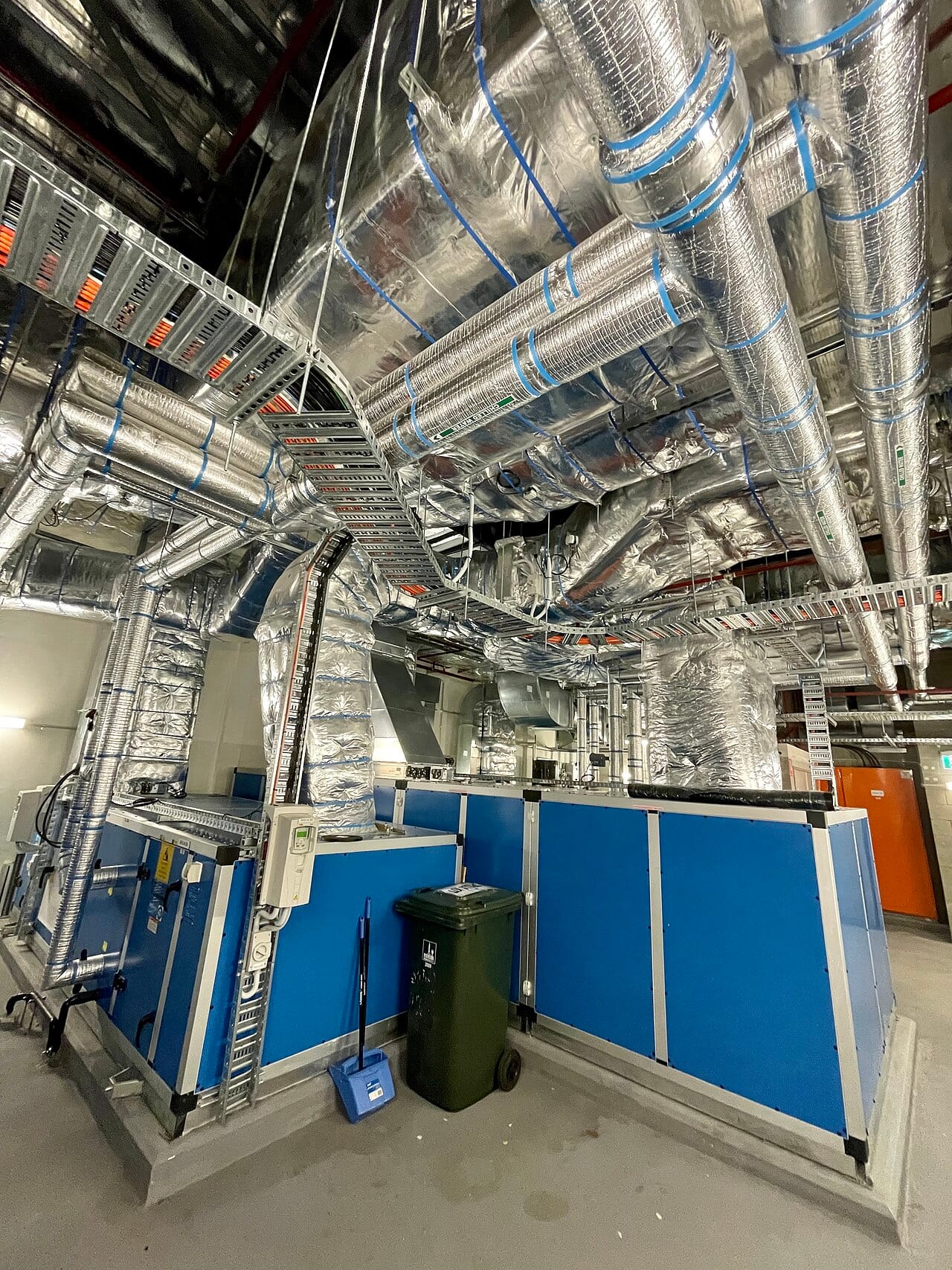
Prepare system information for fans, ducts and control devices. Coordinate routes and openings with piping, structural and electrical staff. Maintenance access matters as well as whether a duct fits in the model.
Work with the control and site teams on how the system will be tested. Compare air-balance results with the design. A room may need a different pressure or response from the next space. Its purpose and the project requirements determine the design.
HVAC Engineer Pay and Job Outlook
Job Bank lists CAD 33.65 to 96.15 per hour for mechanical engineers in Alberta for 2023–2024. In May 2025, the middle 80% of U.S. mechanical engineers earned USD 35.57 to 79.01 per hour.
Canada projects about 12,800 openings in the Canadian group from 2026 to 2035. About 6,100 could come from retirements.
The ranges cover mechanical engineers as a group.
HVAC Engineer Training and Career Path
Mechanical engineering is a common route. Learn heat loads and airflow. Study equipment selection alongside layout work. Junior tasks can include calculations and drawing checks under review. A trade job installing or servicing HVAC has different duties from design engineering.
Industrial or marine assignments may require further knowledge of the site’s hazards and design rules. Employers may teach their tools and review process. Yard or offshore visits also need the accepted access and safety training.
Challenges of Working as an HVAC Engineer
An intake that looks suitable on a room drawing may be near a changed exhaust or gas source on the full layout. Late equipment changes can also alter the heat load. The engineer needs current inputs and coordinated routes before the site installs the system.
Perks of Working as an HVAC Engineer
You can compare the design with measured airflow and room conditions during testing. The work affects spaces that crews use every shift. It combines calculations with equipment layouts and site feedback. The skills apply to many kinds of industrial buildings.