What Does an Ice-Class Naval Architect Do?
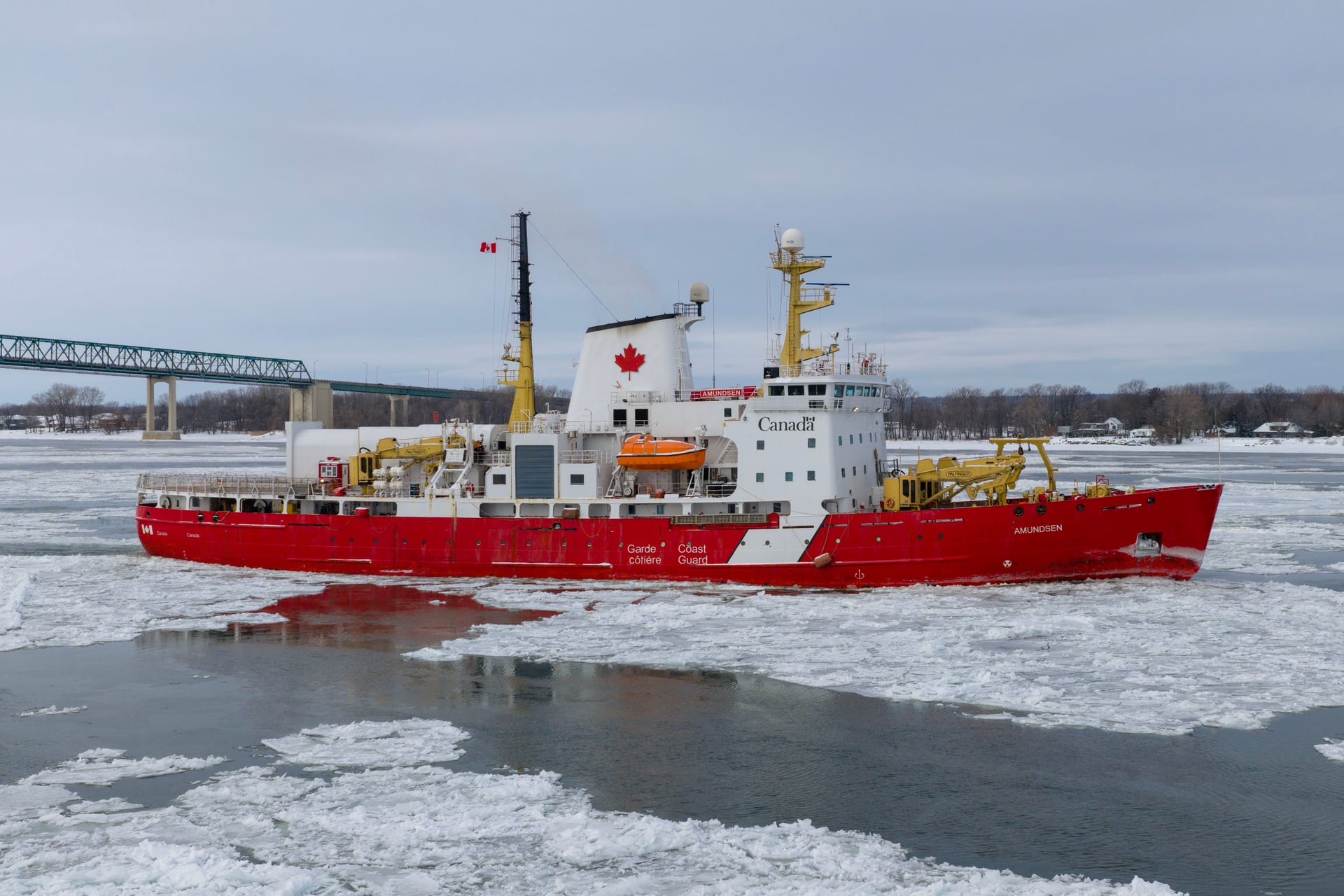
An ice-class naval architect designs or checks a ship that will work where it can meet sea ice. For oil and gas work, this could be a supply ship or other offshore vessel. You check how the hull and other parts will handle loads from ice and what class rules apply.
How Ice-Class Naval Architects Check Hull Strength and Vessel Limits
The naval architect checks a ship’s hull and structure against the ice it is expected to meet. They review the route, season and work before selecting design cases. Ice loads differ from open-water wave loads, so the intended ice conditions need to be clear from the start.
They study hull shape, steel, weight and local strength with other designers. An Arctic marine engineer checks the machinery and cold-weather systems. Extra structure can affect weight and how the ship sits in the water. The teams must use the same vessel layout and design basis.
The architect prepares calculations and drawings for the project’s review and class process. Tests or service findings may lead to further checks. The accepted ice class gives defined design capability; it is not permission to sail through any ice. The ship team needs those limits in a form it can use.
Ice-Class Naval Architect Pay and Job Outlook
For ice-class ship design context, Newfoundland and Labrador’s broad other-professional-engineers group earned CAD 28.85 to 69.23 per hour in Job Bank’s 2023–2024 data. The group includes marine engineers and naval architects. U.S. marine engineers and naval architects earned USD 39.91 to 83.33 per hour for the middle 80% in May 2025.
Canada projects 18,300 openings in the wider Canadian group in 2026–2035, including 7,700 from retirements. It includes many other fields. These are not ship engine-room officer rates.
Ice-Class Naval Architect Training and Career Path
Naval architecture or ocean engineering is a common route. Build skills in hull strength, ship stability and design loads. Learn how class rules apply to a real vessel, with review from experienced designers.
Employers may provide specialist analysis tools and shipyard experience. Local practice rules still apply. A shore designer does not automatically need a master’s polar-navigation endorsement. Sea trials and site visits have separate access and task requirements.
Challenges of Working as an Ice-Class Naval Architect
There are trade-offs between strength, weight, space and cost. Ice conditions also vary, so a route name alone does not define the loads. Late machinery or layout changes can require more hull checks. Yard travel, test schedules and technical deadlines may overlap.
Perks of Working as an Ice-Class Naval Architect
You help shape a ship for a specific set of sea and ice conditions. The work joins analysis with drawings, yards and reports from vessel crews. Skills can lead toward specialist hull design or class review. It is a design career with possible field visits, rather than a guarantee of polar voyages.