What Does an ILI Analyst Do for a Pipeline?
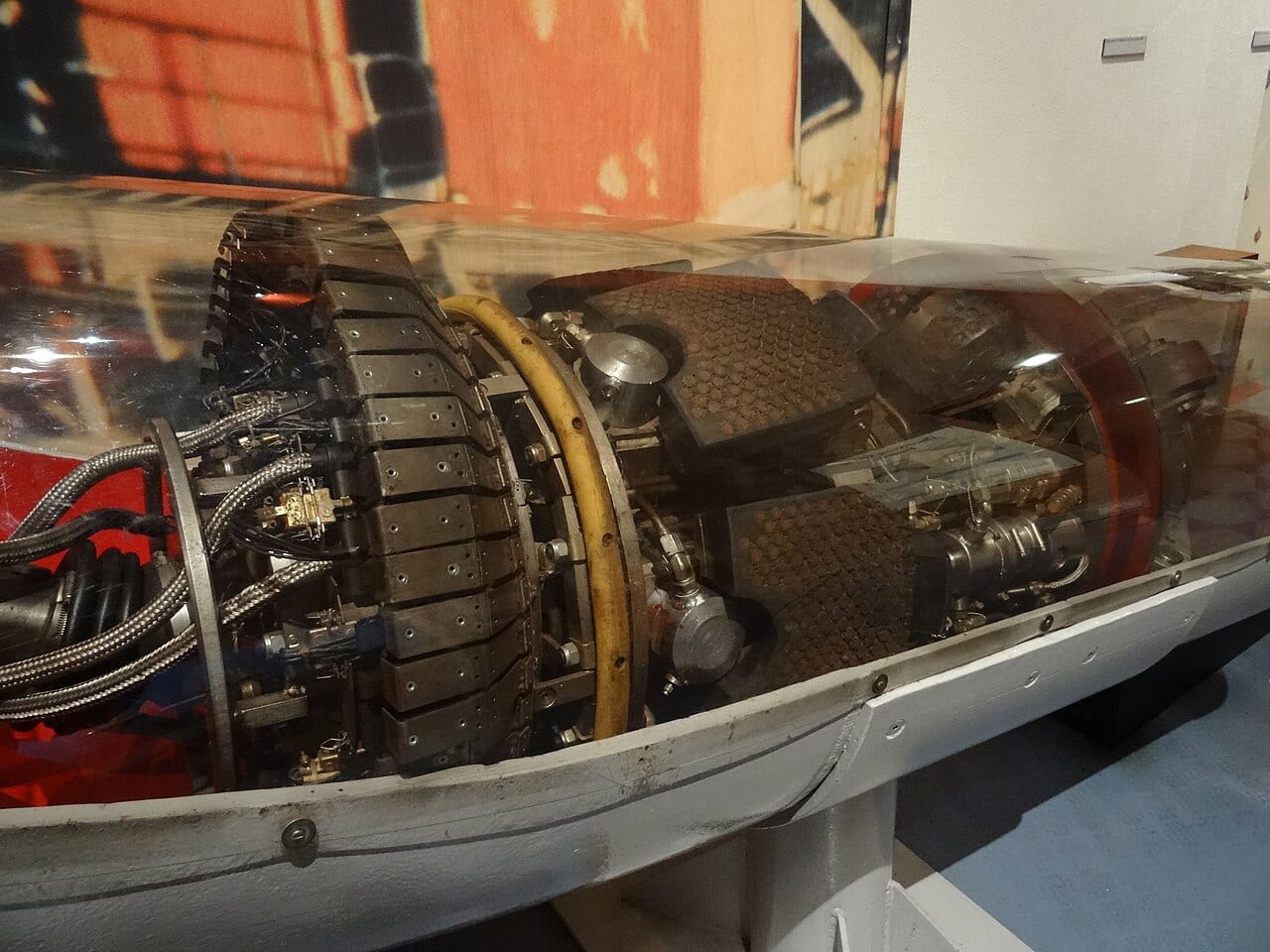
An ILI analyst reviews data from tools that travel inside a pipeline. ILI means in-line inspection. The analyst checks the data for dents, cracks or metal loss and works out where those signs are on the line. The findings help the pipeline company decide what to check in the field.
How ILI Analysts Turn Pipeline Signals Into Findings
Check the data received from the run. Confirm that it is usable and covers the expected length. Use the pipeline records to identify welds and valves. Other known features help too. These reference points help locate possible damage along the line.
Study sensor signals in the software. Classify the relevant findings. Tool types differ. Magnetic and ultrasonic tools use different methods. Geometry tools measure the pipe’s shape. Learn the tool technology being reviewed. Record limits in the data.
Prepare findings for the required review and report. A pipeline integrity engineer uses them with other evidence to plan action. Later, compare the tool results with measurements from a dig. Reading the signals is one part of the wider assessment.
Software and Pipeline Training for ILI Analysts
Employers may provide a training and qualification program. Technical study or related experience can help, but entry routes vary. A junior analyst learns the software and theory. Practical reviews prepare them for more complex data.
Learn each tool type and the employer’s report checks. Some postings cite a particular edition of an industry qualification standard. An old posting’s edition may not apply everywhere. Clear writing matters when explaining a finding’s limits.
Challenges of Finding Defects in Pipeline Inspection Data
Long runs contain many expected features as well as damage signals. Data can be incomplete or difficult to match across inspections. Work carefully under report deadlines. Take doubtful cases to the reviewer. Much of the work involves sustained time at a screen.
Perks of Working as an ILI Analyst
You can learn several tool types. Field evidence helps improve the way you read the signals. The role offers a technical data career without spending every shift on a pipeline crew. Later work can include senior analysis or training. Some roles support integrity engineers more closely.