What Does an Industrial Hygienist Do in Oil and Gas?
An industrial hygienist checks what workers breathe, hear and come into contact with on the job. At a rig or plant, they may measure dust, gas or noise during a shift. They use the results to help the crew change the task or the gear so that workers face less exposure.
How Industrial Hygienists Measure Exposure on Oil and Gas Jobs
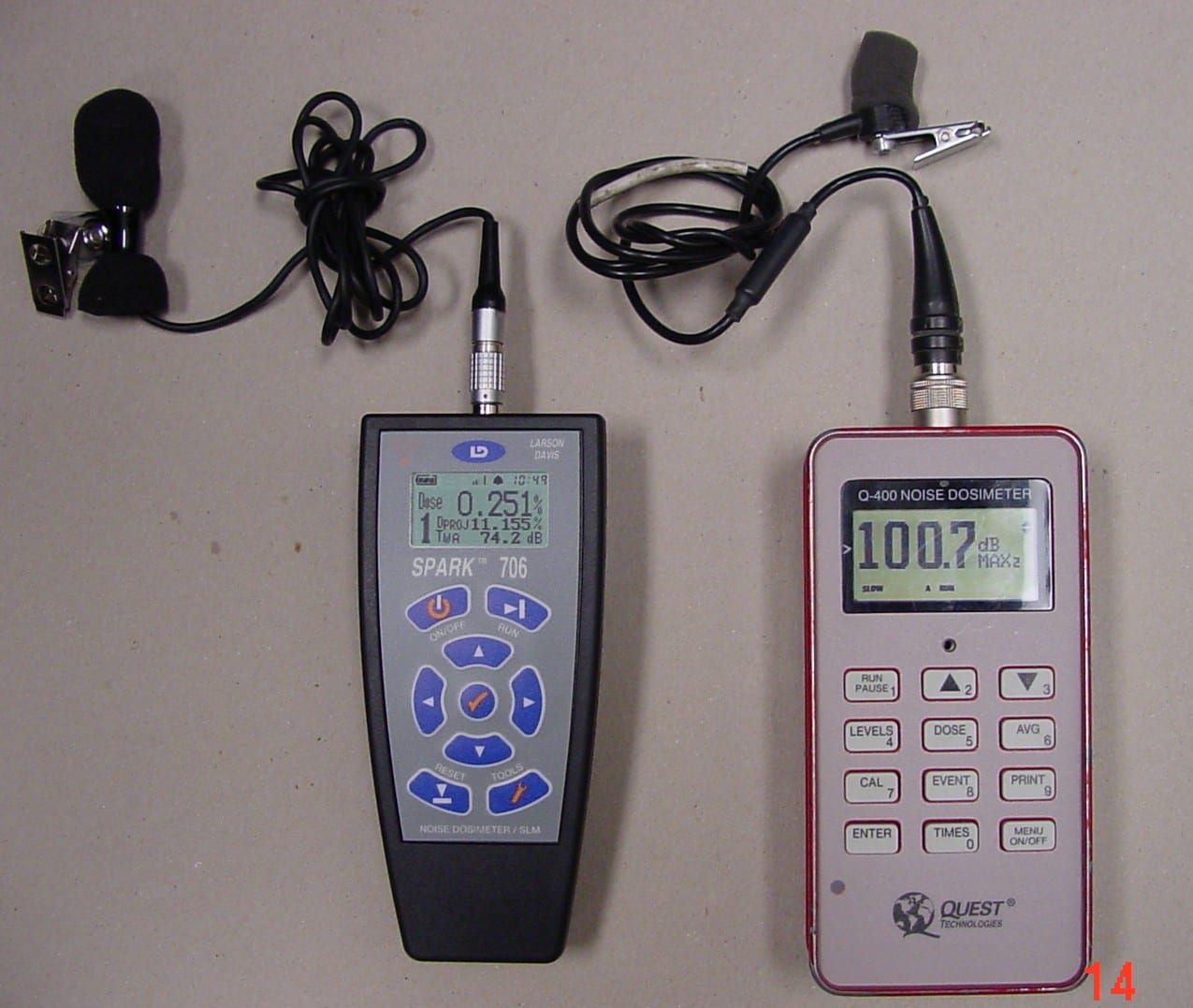
Choose an exposure question before collecting samples. A dust study may need air samples taken near a worker’s breathing zone during the actual task. A noise study may track exposure across a shift. The method and timing must fit the question.
Check the sample records and interpret results with their limits. A visit between tasks may miss the highest exposure. Explain what the study represents and which conditions were not observed. Discuss practical controls with the site team, then check their effect where needed.
Industrial hygiene includes longer-term exposure studies. An emergency gas alarm serves a different purpose. Work with the HSE adviser and relevant specialists. Keep health and study records under the right access controls.
Industrial Hygienist Wages and Job Outlook
Job Bank lists CAD 28.60 to 65.00 per hour in Alberta for natural and applied science policy researchers, consultants and program officers in 2023–2024. In May 2025, the middle 80% of U.S. occupational health and safety specialists earned USD 26.44 to 64.88 per hour.
Canada projects about 12,200 openings in its group from 2026 to 2035. About 6,600 could come from retirements.
Industrial Hygienist Training for Oil and Gas Work
Science, occupational health or engineering can provide a route. Learn sampling methods, exposure assessment and clear report writing. Field experience helps connect the measured result with the way a crew actually performs the task.
Senior posts may seek an ROH or CIH credential. The Canadian and U.S. credential bodies assess education and experience. They also set examinations. A short course alone does not earn the designation. Employer requirements differ. Junior staff can build skills through supervised work.
Challenges of Oil and Gas Work for Industrial Hygienists
The task of interest may happen only briefly or on a night shift. Workers can also change methods during a study. The hygienist needs evidence that reflects the task. Collect it without disrupting the job. Travel and time at industrial sites can take as much effort as the later analysis.
Perks of Oil and Gas Work for Industrial Hygienists
You can test whether a quieter tool, enclosure or ventilation change reduces exposure. The role combines field contact with science and practical problem solving. It can offer varied sites or a deeper focus on one operation, depending on the employer.