What Does an Instrumentation Designer Do?
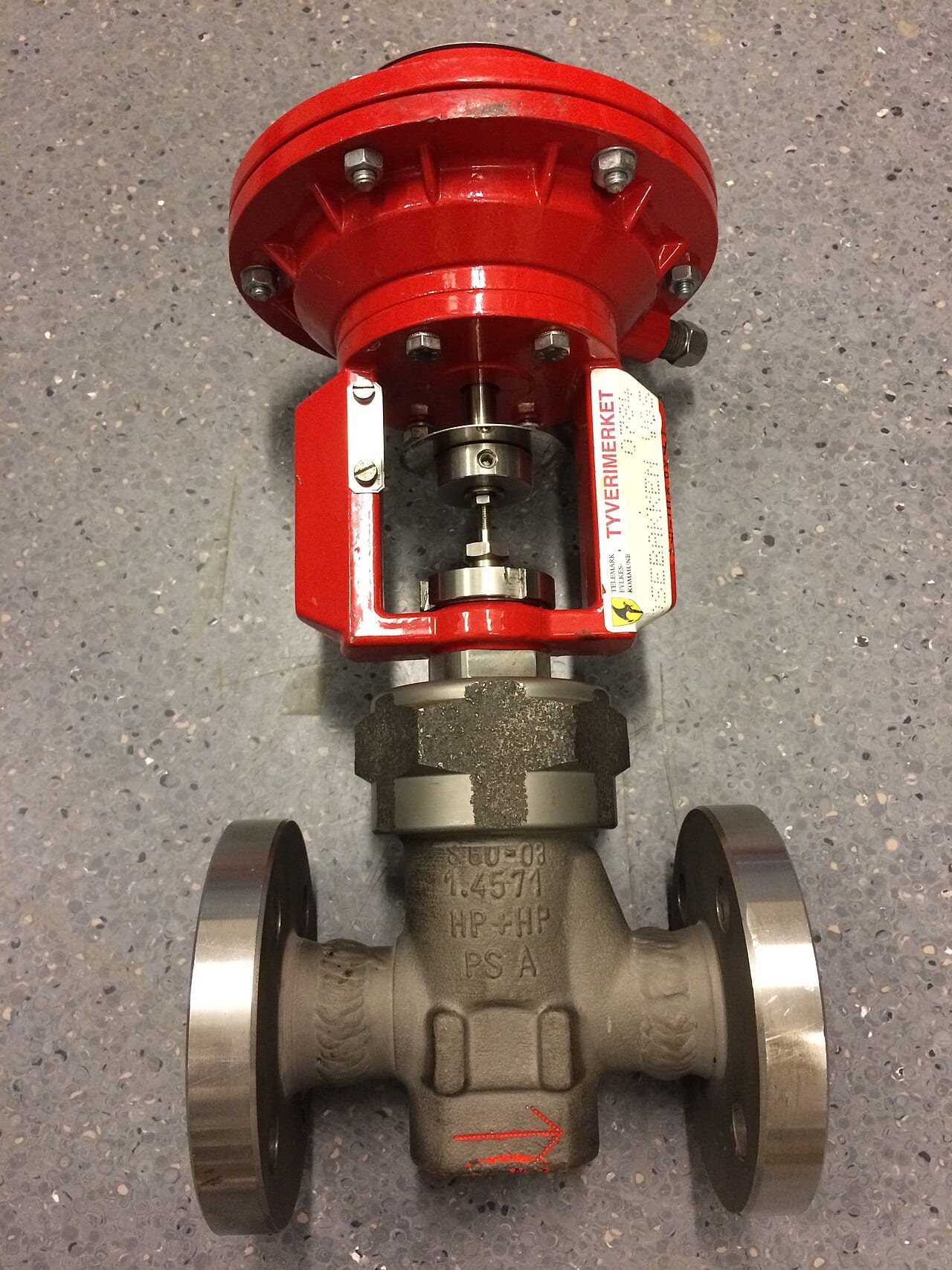
An instrumentation designer draws how gauges, sensors, and control valves fit into an oil and gas plant. You show where a device goes and how it links to the controls. The job gives installers the details they need to connect it and gives test crews a way to check the signal.
Device Layouts and Signal Drawings for Instrumentation Designers
Prepare the device layouts and connection drawings used to install and test plant instruments. Each tag needs to match the instrument list and its signal path. The design may include sensors, control valves, junction boxes and links to the control system.
Check location and access with piping, electrical and structural staff. A device needs room for installation and later maintenance. Review vendor data with package engineers. The drawings need to show the equipment that will actually be supplied.
Close out model-review comments and carry accepted field changes into the final records. Test crews use the drawings to trace signals and identify the correct connections. Take open connection questions to the lead designer or engineer. A late answer can delay installation.
Instrumentation Designer Pay and Job Outlook
Job Bank lists CAD 25.48 to 53.85 per hour for drafting technologists and technicians in Alberta for 2023–2024. In May 2025, the middle 80% of U.S. electrical and electronics drafters earned USD 24.06 to 57.83 per hour.
Canada projects about 13,000 openings in the Canadian group from 2026 to 2035. About 6,900 could come from retirements.
These figures cover broad drafting groups.
Instrumentation Designer Training and Career Path
Instrumentation, electrical technology or a related design program can provide a route. Early work can include device-list checks and drawing updates under review. Learn plant diagrams and signals alongside the design software.
Employers may teach their tag system, document process and model-review tools. Site experience helps explain device access. You also see how a crew uses a connection drawing. Designers work closely with instrument technicians and control-system engineers. Each has different duties at those interfaces.
Challenges of Working as an Instrumentation Designer
A device may fit on the model but remain difficult to reach or cable on site. Vendor changes can also affect several drawings. Use current inputs. Keep a clear record of comments, revisions and open questions before issuing the documents.
Perks of Working as an Instrumentation Designer
The work links physical devices with the readings operators see. Site tests provide useful feedback on how the drawings function in practice. It suits someone who enjoys detailed records and spatial work. You coordinate where equipment and cable routes fit in a plant.