What Does an Oil and Gas Insulator Do?
An oil and gas insulator fits covers on pipes, tanks, and other plant gear. The covers can keep heat in, keep heat out, or protect people from hot surfaces. The insulator cuts the material to fit and puts a tough outer layer on it where the job calls for one.
Insulator Duties on Oil and Gas Pipes and Equipment
The worker measures and fits material around pipes, tanks and other plant gear. It can hold heat in, keep heat out or shield people from hot surfaces. The type and thickness must suit the service and the drawings.
The crew cuts and shapes material, fits covers and records what is complete. Valves and joints that need regular access may use covers that can be removed. During repairs, the crew takes off sections so other trades can reach the machine. They refit them when the job is ready.
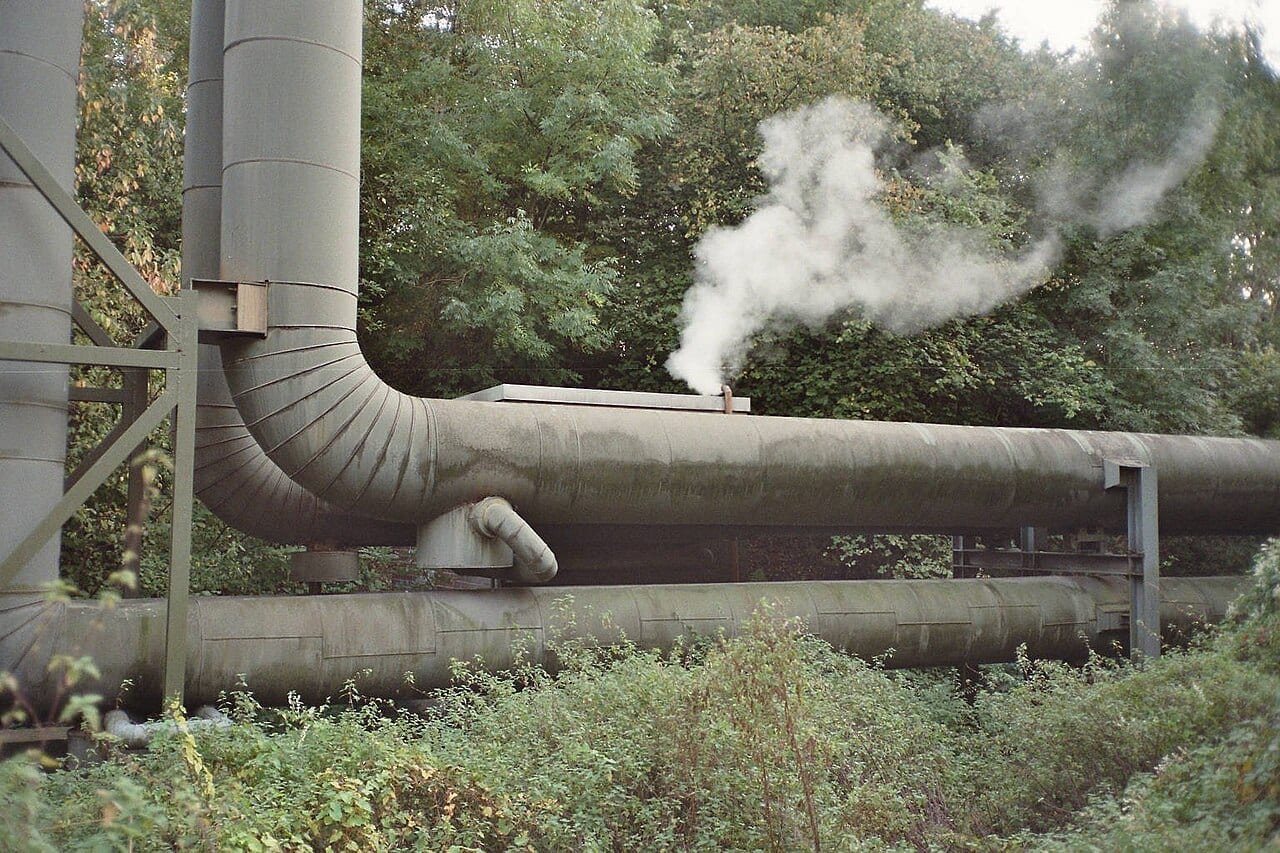
Report damage to the outer cover or signs of trapped water. The crew works with inspection and repair staff if the surface beneath needs a closer look. Plant work differs from house insulation. It often involves pipe shapes, vessels and metal cladding, which forms the outer cover.
Oil and Gas Insulator Wages and Job Outlook
Alberta insulators earned CAD 24 to 50 per hour in Job Bank’s 2023–2024 data. U.S. mechanical insulation workers earned USD 20.42 to 48.19 per hour for the middle 80% in May 2025. These cover work outside oil and gas and several experience levels.
Canada projects 3,800 openings in the group in 2026–2035, including 1,900 from retirements and 1,200 from growth. Travelling shutdown work may provide camp or hotel and meal allowances; the terms can depend on distance from home and supplied meals.
Mechanical Insulator Training in Canada and the U.S.
Alberta offers an apprenticeship, but a journeyperson certificate is optional. Some tasks are restricted. For those, the province allows a registered apprentice or a worker the employer judges to have journeyperson-level skills. New learners need to register as apprentices. An employer or client may still require a trade ticket.
Learn to read drawings, choose materials and fit metal covers under the work plan. Older material may contain asbestos. That work needs its own specialist training and controls. An ordinary insulation post does not cover every type of removal. U.S. employers use apprenticeship or other accepted training. Local task rules still apply.
Challenges of Insulating Pipes at Oil and Gas Sites
Plant shapes can be awkward to measure and reach, with stairs, tight spaces and work at height. Weather affects outdoor work and material handling. Shutdowns may bring long shifts or nights. Remote contracts can mean time away from family and gaps between projects.
Perks of Working as an Oil and Gas Insulator
The trade combines measuring, fitting and practical metal work. You can see a finished section and the service it supports. Skills carry into other plants and commercial sites. Repair work and new builds can have different project lengths.