What Does an Isomerization Operator Do at a Refinery?
An isomerization operator runs a refinery unit that changes the shape of some light oil molecules. This can help make a stream the plant can blend into gasoline. The operator checks the unit on shift. They read gauges and check samples before the stream goes to the next step.
How Isomerization Operators Track a Gasoline Blend Stream
In a gasoline unit, the process changes the structure of light naphtha molecules to improve the blend stream's octane. Octane describes resistance to engine knock. The unit makes isomerate, which a blender operator can use as part of a finished fuel.
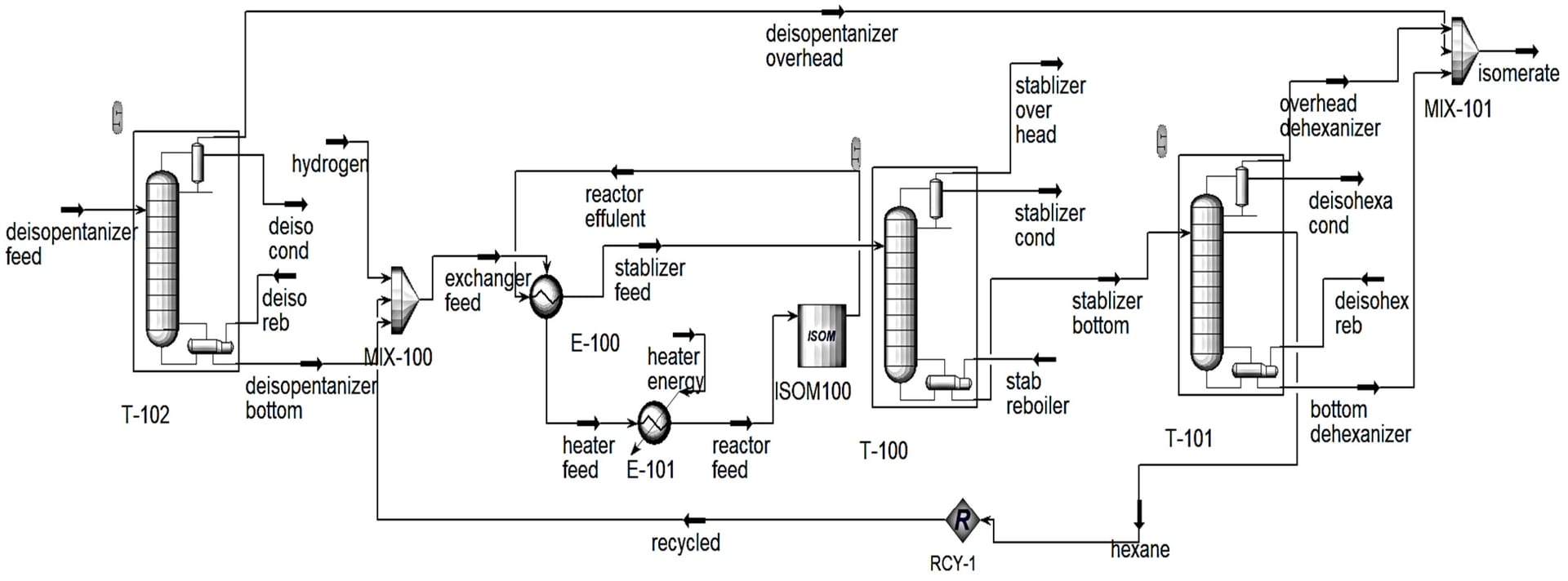
The gear depends on the process. A unit can include feed treatment, dryers and reactors. A tower then takes out the light gases. The crew watches each part and checks samples against the plan. A worker needs to understand which feed checks protect the type of catalyst used there.
Water and other contaminants can affect some catalysts more than others. This is why experience on one design is useful but does not replace training on the next one. Checks of the pumps and pressure gauges, along with the plant records, help the crew trace whether a product change followed a feed change or equipment problem.
The refinery shift supervisor tells the next units what has changed. A refinery process engineer may review a longer trend. The next shift needs the sample time and a record of feed changes. It also needs to know which checks are still open.
Isomerization Operator Wages and Job Outlook
Job Bank lists CAD 32.00 to 72.12 per hour in Alberta for oil, gas and chemical process operators in 2023–2024. In May 2025, the middle 80% of U.S. refinery operators, petroleum pump operators and gaugers earned USD 27.46 to 55.71 per hour. These figures cover wider job groups.
Canada projects about 4,100 openings in its group from 2026 to 2035. About 3,200 could come from retirements.
Isomerization Operator Training for Refinery Work
A refinery operator can train on isomerization after learning basic rounds and process records. Training needs to explain the actual catalyst and treatment equipment, rather than just the name of the process.
Reading a process drawing and following a sample through to its result are useful skills. The plant also teaches the work permits and response to a process alarm. Qualification to run an operating area comes through the site's training and assessment.
Challenges of Refinery Work for Isomerization Operators
A product sample may reflect conditions from earlier in the shift. Making sense of it requires a record of what changed and when. Similar-looking readings can have different causes, so the operator needs to pass on what has already been checked. Shift work can include nights and holidays.
Perks of Refinery Work for Isomerization Operators
You can see how a small refinery stream contributes to a gasoline specification. Experience with feed quality and product tests can support a move into another unit, blending or control room work. The site decides the training path for each of those assignments.