What Does a Jetty Operator Do at a Marine Terminal?
A jetty operator works at the berth where ships load or unload oil, gas or other cargo. They help prepare the berth and loading gear, communicate with the ship and watch the transfer. They check the area after the ship leaves and tell the next shift about faults or unfinished work.
How Jetty Operators Support a Ship at the Berth
A jetty operator works where a ship connects to a shore terminal. Before arrival, the berth crew checks the assigned equipment and work plan. Once the vessel is secured, trained workers handle their part of the loading-arm or hose connection. The exact mix of mooring, transfer and control-room duties depends on the berth.
During the cargo transfer, watch the assigned readings and equipment and keep contact with the ship and shore teams. A loading master may lead the terminal’s side. Report a fault or change through that process. An operator’s assigned checks do not make them the vessel’s officer or the person in charge of every transfer.
Record the cargo moved and any equipment faults for the next shift. After the ship leaves, prepare the berth for the next one. Report work still needed. Some employers use dock operator or marine terminal operator. A broader terminal operator may also cover storage tanks and land transport.
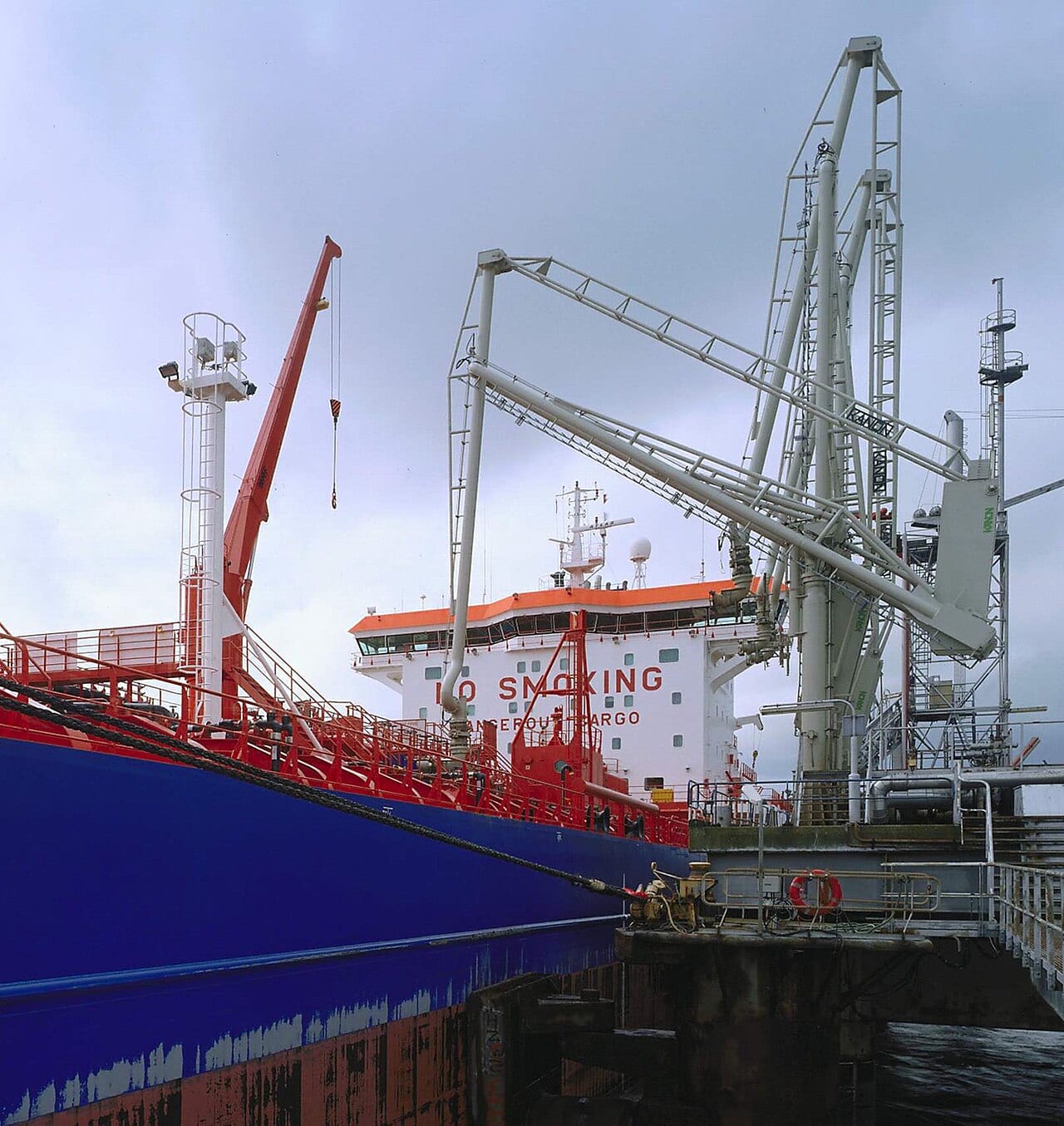
Marine Berth and Transfer Training for Jetty Operators
Plant, terminal or marine experience can help. Employers train operators on the berth’s equipment, product and ship-to-shore communication. Training must match any assigned mooring, loading-arm or control-room work. A shore job does not automatically require the same seafarer papers as work aboard a vessel.
The site also covers emergency drills and the cargo hazards. Oil, chemicals and liquefied natural gas need different equipment and knowledge. Experience at a fuel berth does not by itself qualify a worker to run an LNG loading system.
Challenges of Working at a Marine Loading Jetty
A vessel can arrive late or stay longer than planned, changing the crew’s hours. Wind, rain and ship movement can affect berth work. The terminal’s weather limits and transfer plan govern the job; a busy shipping schedule cannot make poor conditions suitable.
Contact with ship crews can involve different accents and working routines. Clear messages and handovers help keep both sides on the same plan. Rotating days and nights may make sleep and family plans difficult even when the job is close to home.
Perks of Working as a Jetty Operator
You work at the point where marine transport meets the terminal’s tanks and pipelines. The role mixes equipment checks with ship and shore teamwork. Experience can support broader terminal duties or berth supervision. To move to loading-master work, you need the required experience. The company must also assess your skills.