What Does a Land Surveyor Do?
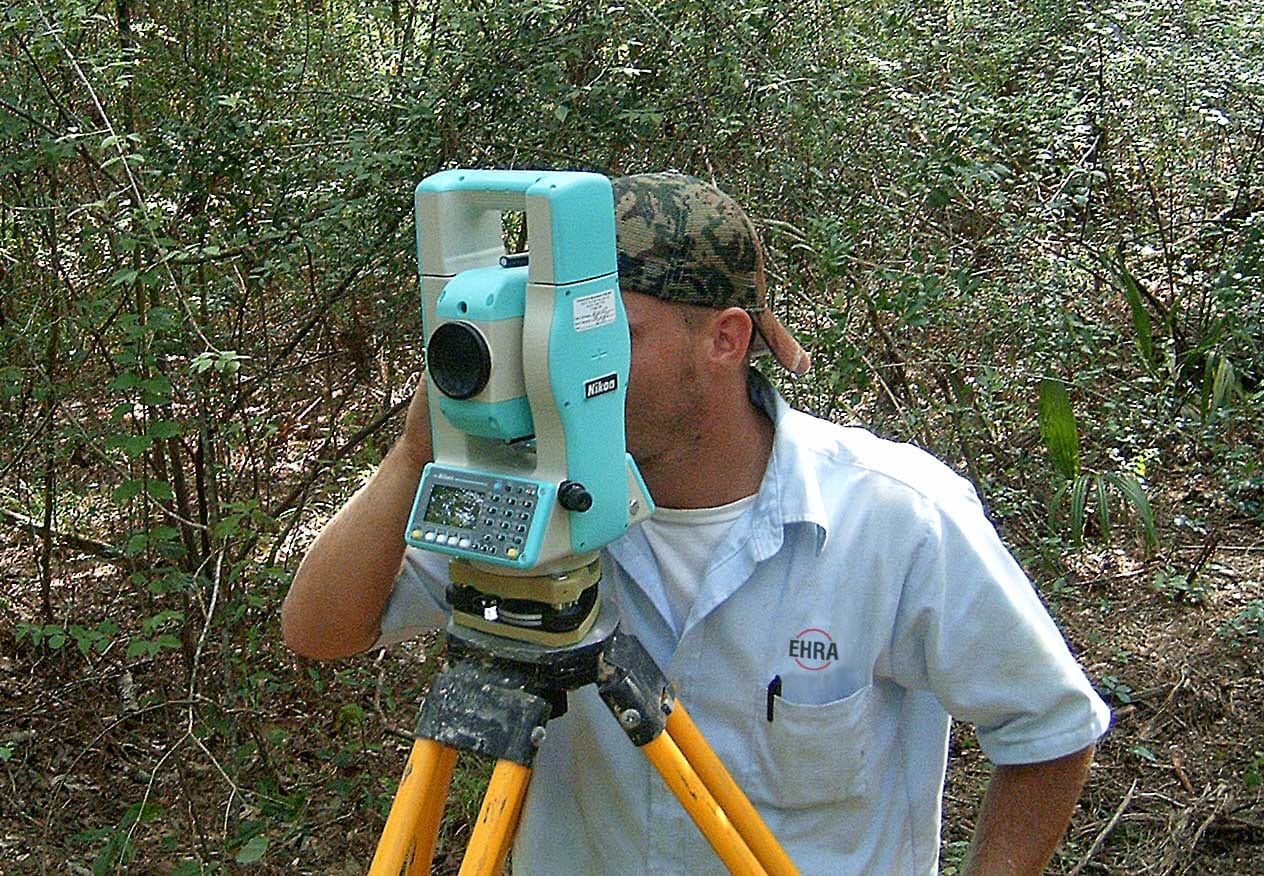
A land surveyor in oil and gas measures and marks land used for well sites, roads, and pipe routes. You may need to locate a property line or show which strip of land a pipe will cross. The work helps keep the build within the area the company can use.
How Land Surveyors Check Oilfield Boundaries and Survey Records
You connect field measurements with evidence about a legal boundary. Review survey plans, records and physical marks. A GPS point alone does not prove a boundary or ownership. For an oilfield project, the result helps define where a well site, access road or pipeline right-of-way lies.
Plan and review field work. Check the evidence and prepare the required survey records. The design and land teams need the same boundary and reference information. A layout error can affect access or construction. The record must show the basis for the plan and the checks made.
Construction layout and as-built work can form part of the job too. A geomatics surveyor or survey crew may focus on measurement and mapping tasks. The licensed professional is responsible for the legal survey as local rules require. A right-of-way agent negotiates access; the two roles provide different services.
Land Surveyor Pay and Job Outlook
Job Bank’s 2023–2024 Alberta land-surveyor range is CAD 26.00 to 61.00 per hour. U.S. surveyors earned USD 22.54 to 60.38 per hour for the middle 80% in May 2025. The groups cover surveys outside oil and gas and do not represent every trainee or business owner.
Canada projects 1,900 openings for land surveyors in 2026–2035, including 1,400 from retirements. An employee salary and a survey firm’s project fee cover different costs.
Land Surveyor Training and Career Path
The professional route combines study, supervised experience and assessment. In Alberta, check the current route with the Alberta Land Surveyors’ Association. It has revised the course and exam transition rules. An older checklist may not fit a new applicant.
A field crew role can provide experience. It does not give you the right to certify a legal survey. Employers may teach their instruments, drafting tools and record systems. U.S. licensing is state-based. Confirm the professional pathway for the jurisdiction where you plan to work, including how prior study or experience is assessed.
Challenges of Working as a Land Surveyor
Old plans and boundary evidence can be incomplete or conflict with what a crew finds on site. The surveyor needs careful research as well as accurate field work. Remote sites add access, weather and travel demands. A construction deadline does not remove the work needed to resolve an uncertain boundary.
Perks of Working as a Land Surveyor
You produce a record that can guide construction and remain useful for years of asset work. The role mixes research, field evidence and sound judgment. It can lead to specialist survey practice or running a firm.