What Does a Landman Do in Oil and Gas?
A landman finds out who owns land or mineral rights and helps an oil or gas company make deals for those rights. They check records, speak with owners and track what each deal allows. The work helps the company know where it can go and what it has agreed to do.
How Landmen Check Ownership and Negotiate Leases
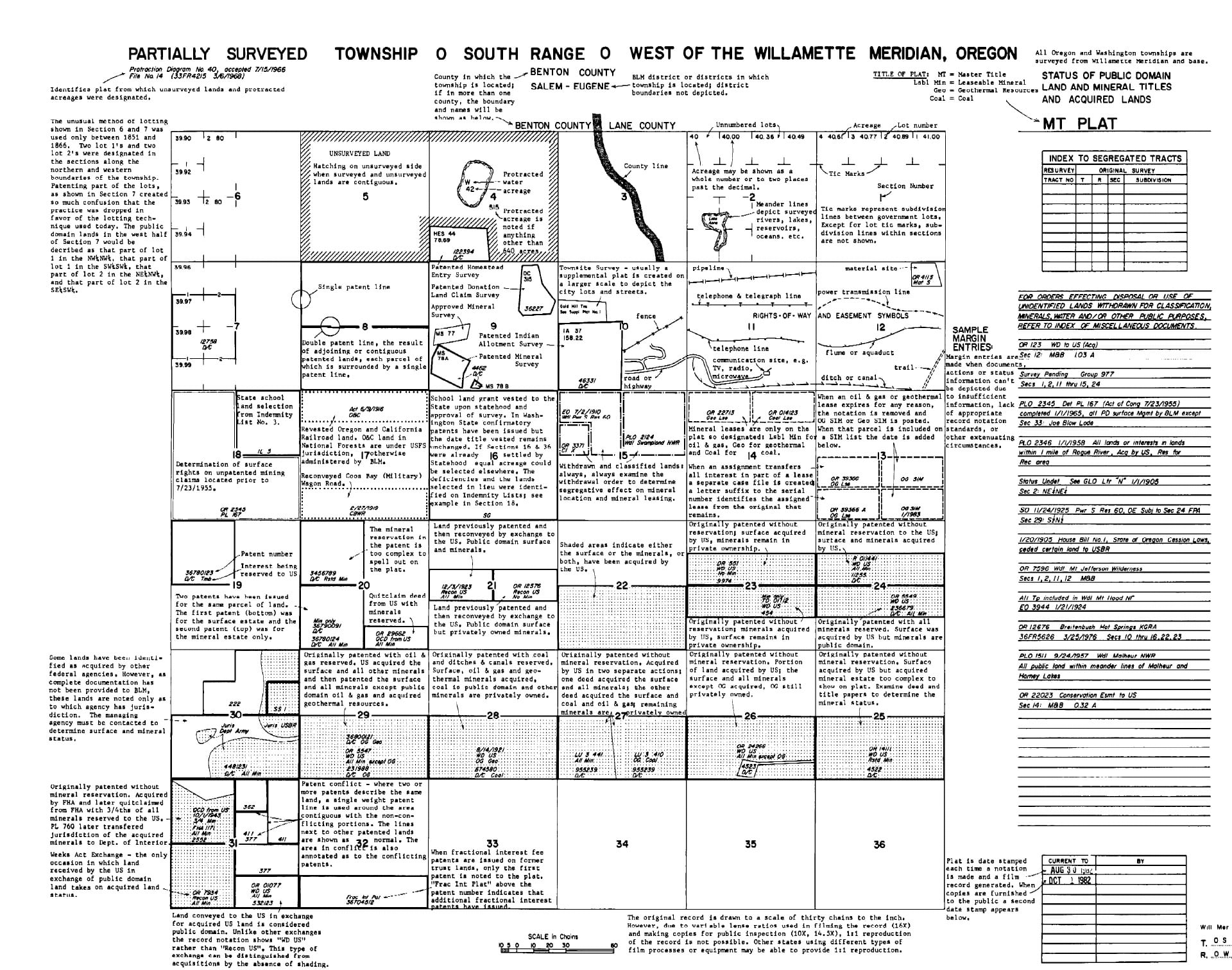
The job connects ownership records with the rights a company needs for a project. Surface work deals with access, roads or a well pad. Mineral work deals with rights to the oil and gas below ground. Owning one does not always mean owning the other, so the first task is to establish which interest is involved.
Field landmen may search public records, locate owners and work on lease deals. In-house landmen can also handle trades and agreements with other companies. They track terms, commitments and dates that affect the oil and gas lease. Missing documents or title gaps go to the land and legal teams for further work.
Cenovus’s November 2026 Calgary mineral-land role covers land sales, swaps and deals to earn or sell an interest in an asset. It calls for work across land, legal and technical teams through closing. A right-of-way agent has a different scope: arranging surface access along a pipeline.
Landman Training and Surface Land Rules
Land management, business, legal studies or related field experience can provide a route in. Learn ownership records, mapping, lease terms and clear negotiation notes. A basic course is one way to start learning. A professional title can require work experience and exams. Employers may teach their land system and agreement forms after hire.
Alberta requires an active land-agent licence for talks on covered surface interests. Some legal exemptions apply. The province has interim and permanent licence routes. Do not assume a mineral-land job title grants that licence. Cenovus’s mineral role asks for relevant land experience and CALEP registration, or the ability to obtain it. That applies to this post.
Challenges of Working as a Landman
Ownership can be split among many people, and one missing transfer can hold up a deal. Owners may have concerns about past work, access or compensation that take more than one meeting to resolve. Contract field work can mean travel and gaps between projects. In-house teams can face several closing dates at once.
Perks of Working as an Oil and Gas Landman
The work mixes research and deals with knowledge of how a field is developed. You can follow a file from the first ownership check to a signed deal. Skills can carry into land administration or commercial asset work.