What Does an LNG Bunkering Operator Do at a Port?
An LNG bunkering operator helps deliver liquefied natural gas to a ship that uses it as fuel. The fuel may come from a truck, the shore or a second ship. The operator works with both crews. They watch the flow and write down how much fuel the ship took.
Key takeaways
- Bunkering is fueling the receiving ship. Loading an LNG carrier can instead mean moving cargo for sale.
How LNG Bunkering Operators Coordinate Ship Fueling
Bunkering supplies a ship with fuel. In this role, that fuel is liquefied natural gas, or LNG. It can arrive from a truck, a shore facility or another vessel. Loading an LNG carrier with cargo for sale is a different task, even when some transfer skills overlap.
The operator helps check the fuel order, agreed transfer plan and equipment readiness with the crews involved. Everyone needs to know who leads the transfer and how the ship and supplier will communicate. Shore staff and seafarers can have different duties under the same bunkering operation.
During the job, watch the assigned readings and report changes through the approved process. After transfer, help confirm the quantity delivered and complete the records. Port access, vessel readiness and other work nearby can affect the plan; fuel delivery is not just connecting a hose.
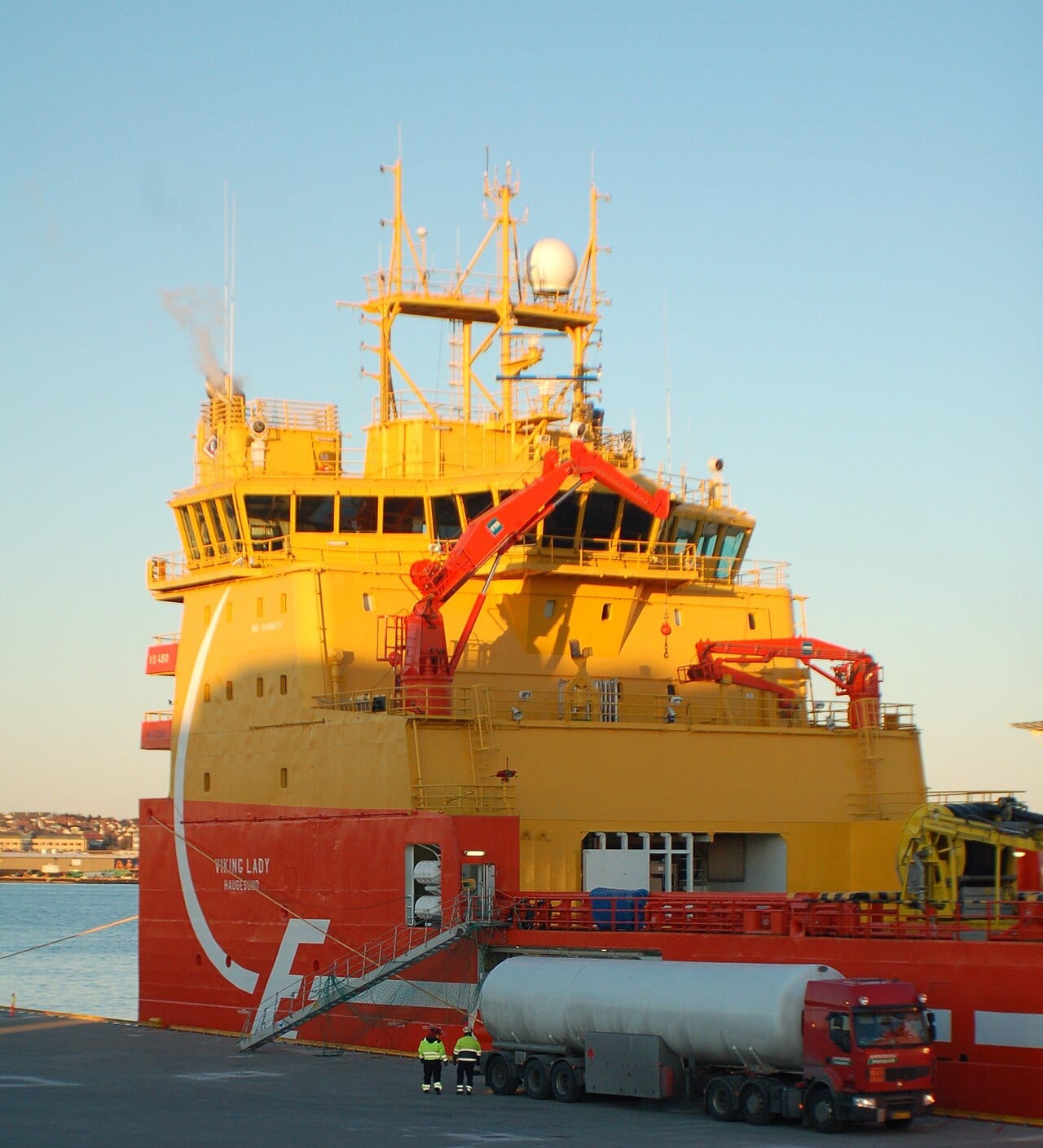
Marine Fuel and LNG Transfer Training for Bunkering Operators
Marine, terminal or plant work can provide a route in, depending on the post. Training needs to match the worker’s duties and the ship or facility. Basic and advanced IGF Code training serve different levels of responsibility on ships using low-flashpoint fuel. A person in charge needs more than general awareness.
Employers provide training on their transfer setup, cold-liquid hazards, gas risks and emergency plan. Port or national rules may add requirements. A ship’s gas-fuel course does not automatically qualify someone for every shore role.
Challenges of Fueling Ships With LNG in Port
A ship can arrive late, weather can change and other port work can restrict access. Several crews must work from the same plan despite different schedules. Nights and standby can affect time at home.
Perks of Working as an LNG Bunkering Operator
You gain experience across port, fuel-supply and vessel operations. The work can support further marine fuel or terminal roles.