What Does an LNG Operator Do at a Gas Liquefaction Plant?
An LNG operator works at a site that chills natural gas until it turns to liquid or moves the liquid into storage. LNG stands for liquefied natural gas. On shift, the operator checks the gear and records readings. They keep in touch with the crews that move the liquid.
How LNG Operators Track Cooling and Storage
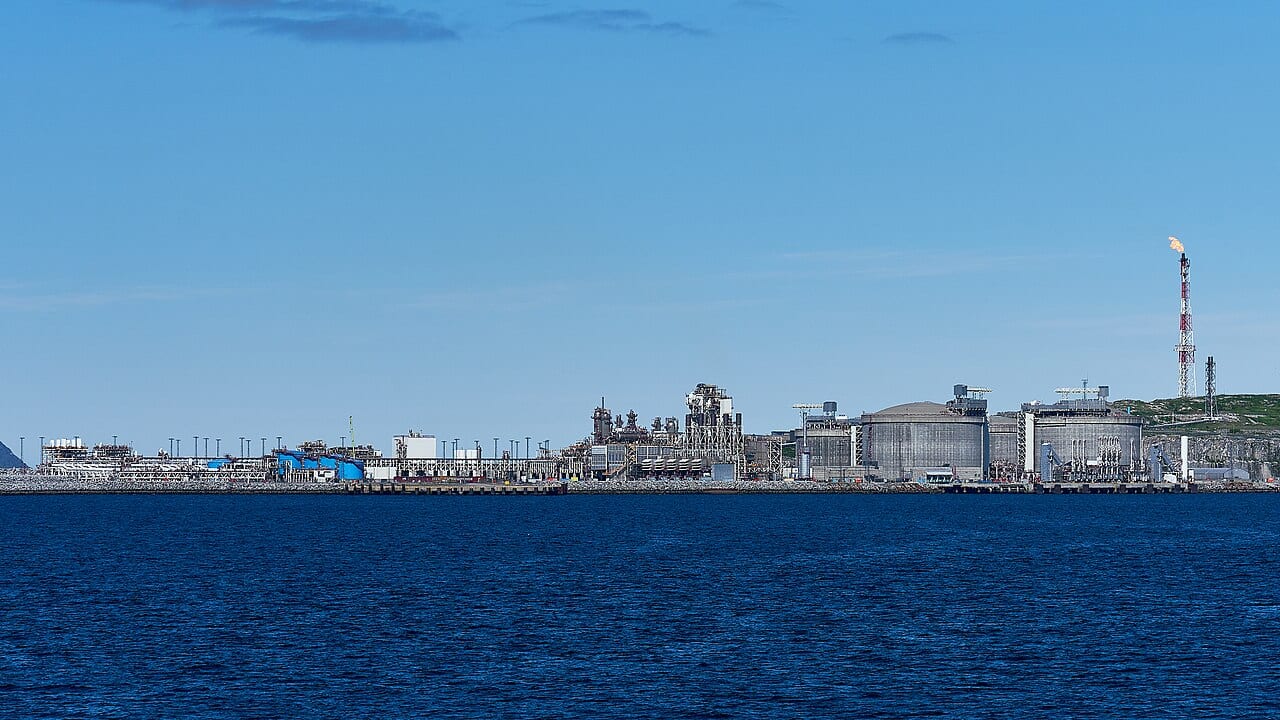
An LNG plant treats gas and chills it for storage and shipment. The operator may be assigned to gas treatment, cooling, utilities or storage. A role at an import terminal can instead involve turning LNG back into gas, which is different from liquefaction.
Make field rounds, check the control-room trends and keep area logs clear. Samples and equipment readings help the team spot changes before they affect other units. Work with the LNG engineer and maintenance staff when a fault needs technical review or a planned repair.
Storage and transfer areas need coordination with terminal and marine teams. A loading operator may focus on moving the product, while another operator runs the cooling plant. Some sites combine roles. The employer’s unit training defines what each worker can operate.
LNG Operator Wages and Job Outlook
Alberta’s wider oil, gas and chemical process operator range was CAD 32.00–72.12 per hour in 2023–2024. It is a general plant comparison, not a wage for a coastal LNG project. The middle 80% of U.S. gas plant operators earned USD 29.50–55.54 per hour in May 2025 across several types of plant.
Canada projects 4,100 openings in its broader process group for 2026–2035, about 3,200 due to retirement. These are wider plant and replacement figures.
LNG Operator Training for LNG Plant Work
Process study or plant experience can help. Learn one area with an experienced operator first. Canadian work with pressure equipment or boilers may need a power-engineering certificate. Check the province’s rules. U.S. employers may use a different training path.
Training needs to cover cryogenic, or very cold liquid, hazards as well as gas, pressure and emergency response. Each unit has its own checks and authority. General gas-plant experience is useful, but does not qualify a worker on every LNG process.
Challenges of LNG Plant Work for LNG Operators
Cooling, storage and utilities depend on each other. A fault in one area can change what the rest of the plant can do. Nights, weekends and outage work affect sleep and plans at home. Some sites need relocation rather than camp travel, so check the actual living arrangement.
Perks of LNG Plant Work for LNG Operators
You learn how gas treatment, cooling and storage fit together on a large plant. Further unit training can lead to console or lead work.