What Does a Marine Loading Arm Technician Do?
A marine loading arm technician inspects and repairs the equipment that connects a ship to a terminal. The arm carries oil, gas or other cargo between ship and shore. The technician checks its joints, controls and other parts and keeps a record of repairs and tests.
Key takeaways
- The technician works on equipment. The jetty crew runs the cargo transfer.
- Some jobs need rope access training.
How Marine Loading Arm Technicians Service Berth Equipment
The arm has moving joints and seals that let it follow a ship's movement while carrying cargo. A technician checks for corrosion, damage and leaks and reviews what the earlier service record found. The maintenance order may call for work on a swivel joint, seal, hose or hydraulic part.
A powered arm also has controls and a system that shows its position within the permitted range of movement. The technician may check that equipment with the electrical or instrument team. After a repair, the job can include leak or function tests under the manufacturer's and terminal's plan.
Testing and records are part of the repair. The report identifies the arm, the parts used and what was checked. If a test is still open, the terminal needs to know before the next cargo call. Some work uses specialist service staff or equipment from the maker.
The site may handle oil or liquefied natural gas. The cargo and model change the equipment and training needs. The maintenance technician services the arm, while the jetty crew runs the transfer. Small teams can share some duties, so check the assigned scope.
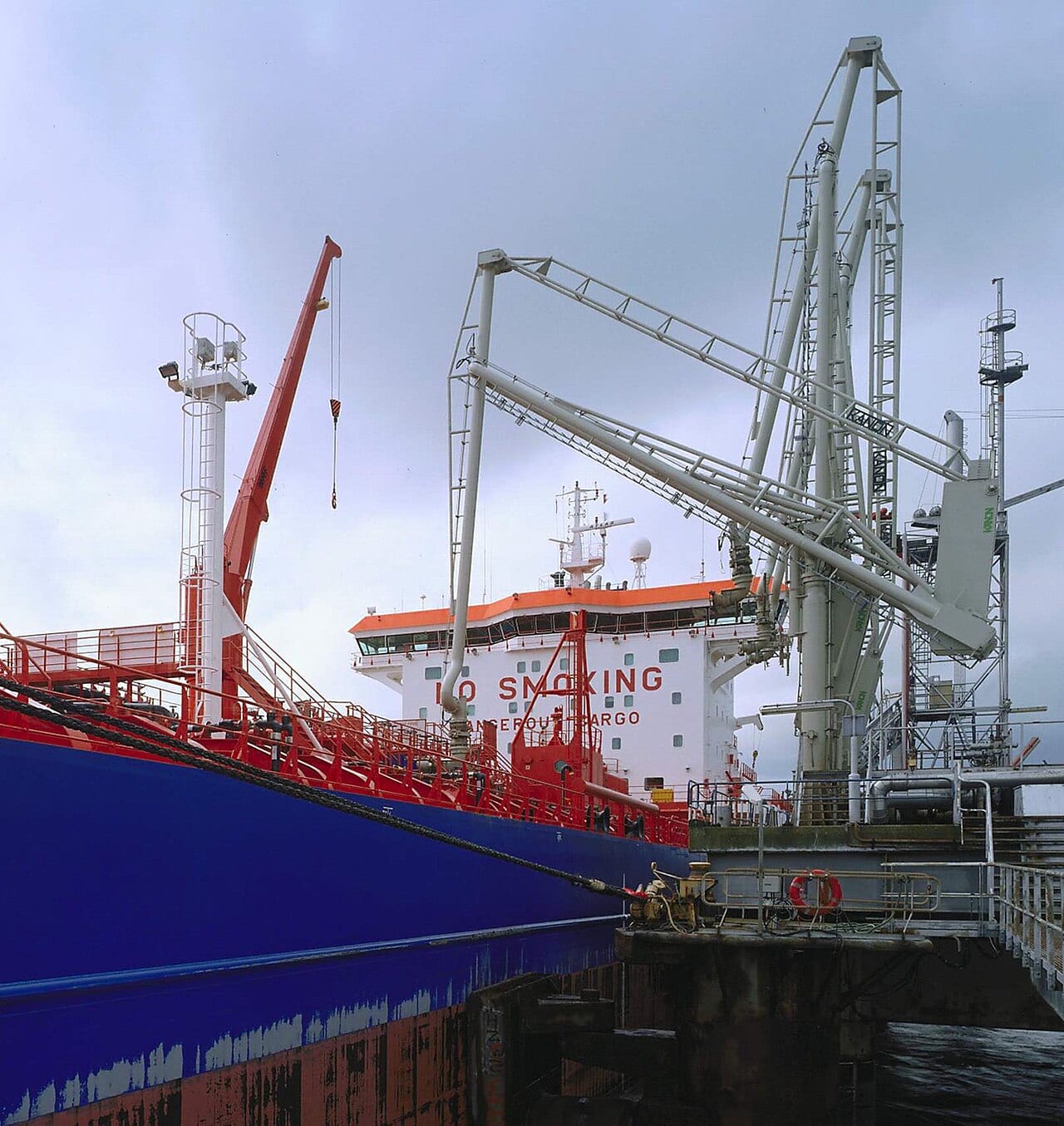
Mechanical and Berth Training for Loading Arm Technicians
Mechanical or hydraulic experience can lead into arm service. Controls work may call for electrical or instrument skills. A manufacturer can provide model-specific operation and maintenance training.
Berth access and work at height have their own site rules. Rope access is one possible access method, rather than a feature of every job. Confirm the access method and the qualifications it needs. Training on a different arm model still needs to be matched to the equipment at the terminal.
Challenges of Servicing Marine Loading Arms
A berth may be available for repairs only between vessels. A missing seal or an unfinished test can affect the next call. Wind, rain and salt exposure make access and equipment condition part of planning the job. A field service role can also involve travel to several terminals and waits for a work window.
Perks of Working as a Marine Loading Arm Technician
You follow a repair through mechanical work, controls and the final test record. Experience can support wider berth maintenance or a service lead role. The mix can suit a technician who likes equipment that moves and wants to understand how the terminal uses it.