What Does a Marine Engineer Do?
A marine engineer in oil and gas designs or checks the systems that let an offshore vessel do its work. They may study engines, power, pumps or how the vessel keeps its position. The job can cover new builds, changes at a yard or support for a vessel at sea.
How Marine Engineers Design and Review Oilfield Vessel Systems
The design engineer studies vessel machinery and the services it supports. They review engines, generators, pumps and the demand from deck equipment. A vessel that installs subsea gear may need power for both propulsion and the work on deck. The systems must fit the hull and the vessel’s intended job.
They prepare requirements, review supplier drawings and compare design options with the ship team. A naval architect checks the wider vessel design. Layout, weight, fuel use and access for repair can all affect the choice. The engineer records the basis for the design and changes made during review.
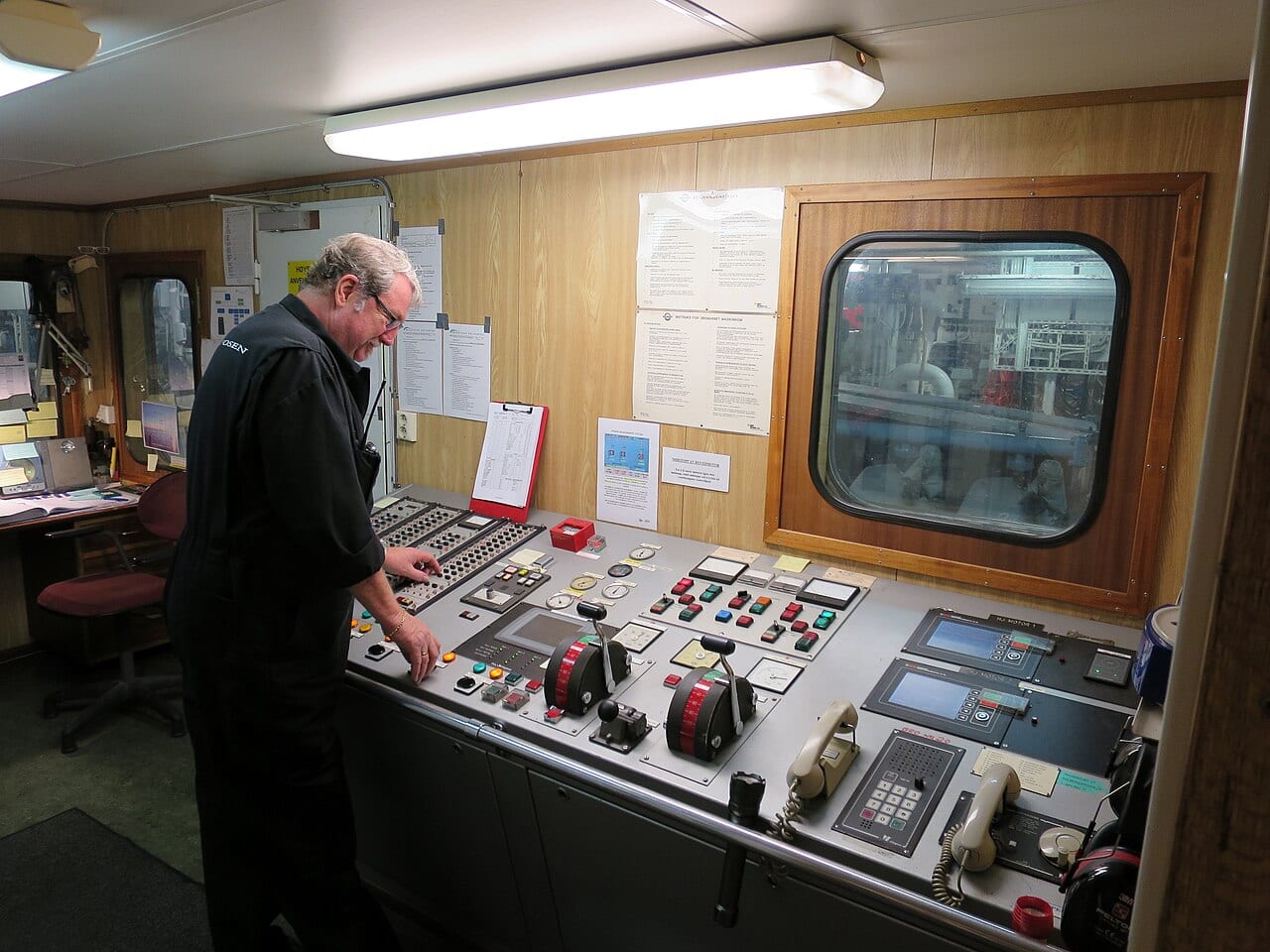
Shop tests, yard work and sea trials help show how the systems perform together. The engineer may review faults and support changes after delivery. This guide covers design and technical support. A seagoing chief engineer runs the engine department under a different credential and duty structure.
Marine Engineer Pay and Job Outlook
For marine design context, Newfoundland and Labrador’s broad other-professional-engineers group earned CAD 28.85 to 69.23 per hour in Job Bank’s 2023–2024 data. The group includes marine engineers and naval architects. U.S. marine engineers and naval architects earned USD 39.91 to 83.33 per hour for the middle 80% in May 2025.
Canada projects 18,300 openings in the wider Canadian group in 2026–2035, including 7,700 from retirements. It includes many other fields. These are not ship engine-room officer rates.
Marine Engineer Training and Career Path
A marine, mechanical or related engineering degree is a common route into design. Learn vessel drawings, machinery and load studies. Early work can include calculations, supplier checks and tests under senior review.
Local rules govern engineering practice. Yard and offshore visits need the relevant access training. A design degree does not by itself qualify a person as a vessel engineering officer.
Challenges of Working as a Marine Engineer
Yard time is limited, and a late equipment change can affect several systems. Drawings may also lag behind an older vessel’s real layout. You need clear test records and quick contact with the crew. Trials and offshore support can bring travel, long days and time away from home.
Perks of Working as a Marine Engineer
You can follow a system from a design study to vessel trials. Contact with shipyards and crews shows how the equipment works beyond the drawing. Career routes include propulsion, power and wider vessel support. Some posts stay mostly ashore; others include frequent yard or offshore visits.