What Does a Crude Oil and Natural Gas Market Analyst Do?
A crude oil and natural gas market analyst studies changes in supply, demand, and prices. The analyst checks what fields are producing, how much is in storage, and where oil and gas can move. They explain what changed and what could make the next forecast turn out differently.
Market Analyst Duties on Crude Oil and Natural Gas Data
The job is to build a view of where supply, demand and prices may go. For natural gas, the work can connect weather, storage, production and pipeline capacity. For crude oil, check demand from refineries, exports and changes in supply. Transport limits also help explain price gaps between regions.
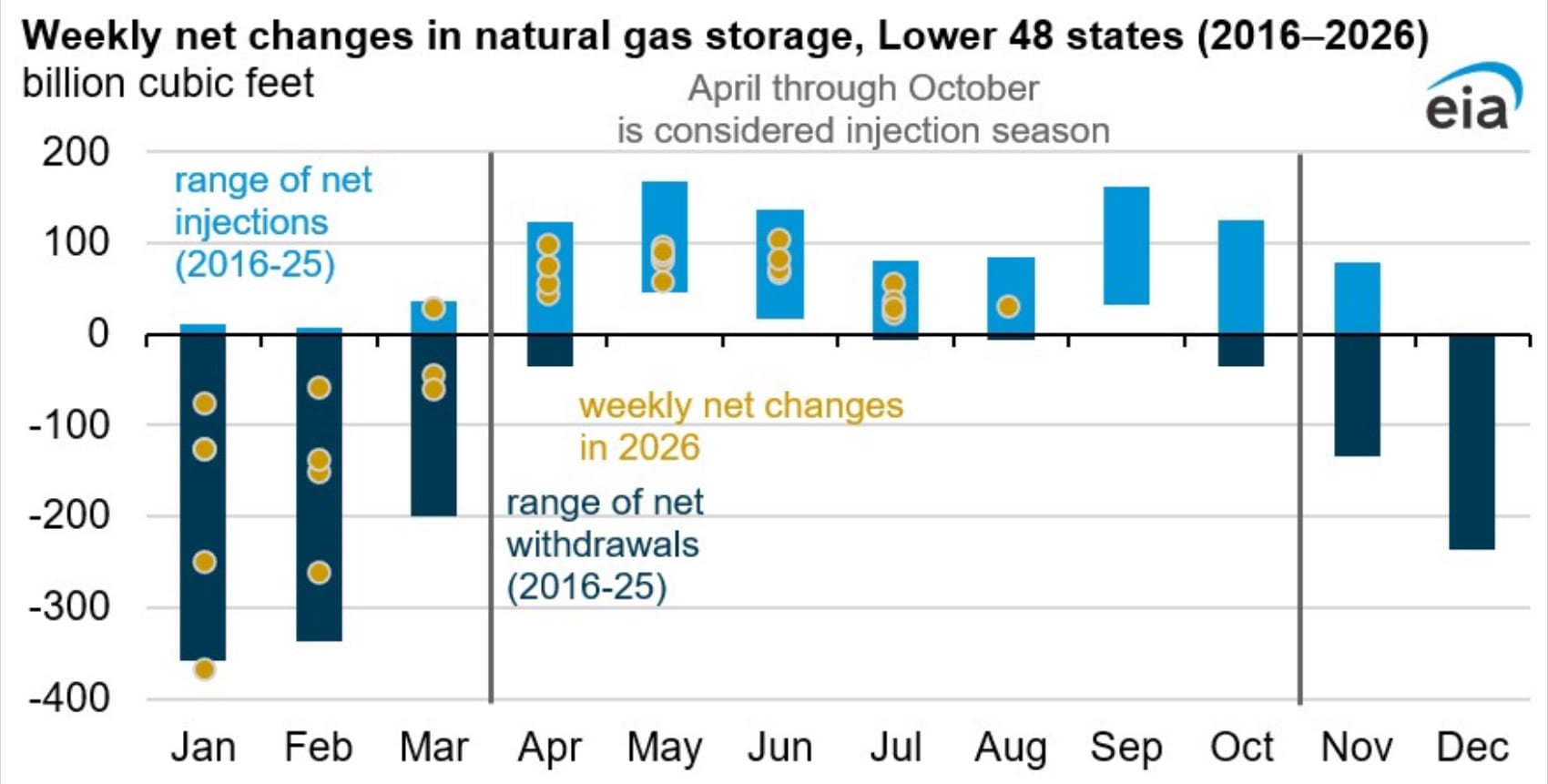
Check data dates, units and revised figures before changing a model. Compare the latest picture with an earlier forecast. Explain which assumptions changed. More gas in storage may reflect mild weather or higher supply. A brief transport limit can also play a part. Show the business team which view the data supports.
At an oil and gas producer, the work may feed the firm’s price outlook and planning models. Cenovus’s October 2026 Calgary posting includes models of supply and demand. The post also covers price forecasts. Share the findings with planning, sales and trading teams. A commodity risk analyst studies the firm’s exposure; a trader has separate authority to make deals.
Skills for Crude Oil and Natural Gas Market Analysts
A degree with strong maths and data skills can lead into this work. Common routes include economics, finance and engineering. Build a sample analysis that shows your data sources, assumptions and revisions. Strong spreadsheet skills matter. Many teams also use Python, data tools and charts to handle large files.
Cenovus’s Calgary example asks for five years of relevant commodity-market experience and a related degree. That is an experienced post, not an entry rule for all new hires. New hires need to learn the firm’s data feeds and model checks. They also need its rules for private market data.
Challenges of Forecasting Crude Oil and Natural Gas Markets
Prices can move before the reason is clear. Public reports may change. Two sources may cover different areas or use different units. Show what is still unclear while keeping the main finding easy to read. Forecast errors also need a fair review: which assumption failed, what was knowable then and what should change in the model?
Perks of Working as a Crude Oil and Natural Gas Market Analyst
You can connect field output, transport and customer demand to decisions across the business. The work suits readers who enjoy testing an explanation against data and then writing a clear account of it. This can lead toward business planning, market research or risk work. Each path needs more skills.