What Does an Offshore Master Mariner Do on a Support Vessel?
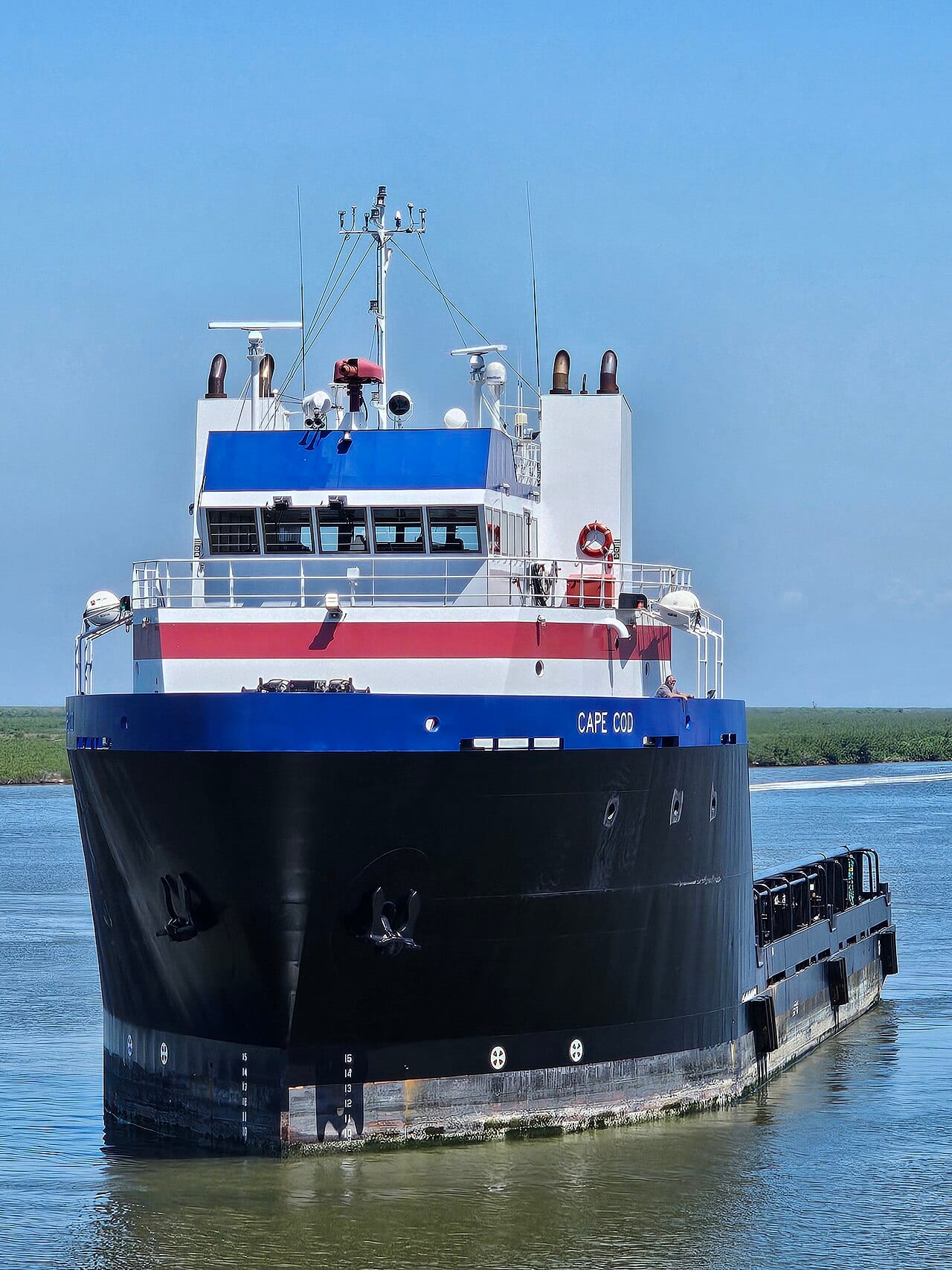
An offshore vessel master commands a ship that supports oil and gas work. The master leads the crew and answers for the ship’s safety, voyage and work near rigs or platforms. Master Mariner also names a Canadian certificate. The job needs the right credential for the ship and its route.
How Offshore Masters Lead Oil and Gas Vessel Operations
The master leads the vessel’s voyage and work plan with the bridge and engineering teams. The chief officer may lead deck work. The chief engineer manages machinery. The master checks that the ship and crew are ready for the next offshore task.
On a vessel using dynamic positioning, a dynamic positioning operator works at the assigned controls. That does not transfer the master’s command responsibility. Client requests, weather or equipment faults can alter the plan. The master updates the shore team and follows the ship’s safety-management system.
Offshore Master Mariner Wages and Job Outlook
As a broad fallback, Job Bank’s 2023–2024 Canada-wide range for deck officers is CAD 24.33–72.12 per hour. In May 2025, the middle 80% of U.S. captains, mates, and pilots of water vessels earned USD 22.80 to 82.04 per hour.
These are wider vessel jobs, not offshore master pay scales. Canada projects 2,500 openings in the deck-officer group for 2026–2035, including 400 from growth and 1,600 from retirements.
Sea Service and Training for Offshore Vessel Masters
The Canadian route includes time at sea, training and a certificate of competency suited to the job. Master Mariner is one such certificate. U.S. masters need a Coast Guard credential with the right endorsements. Ship size, route and duties determine the exact training and medical checks.
Challenges of Commanding an Offshore Oil and Gas Vessel
The master can be called outside the normal watch when weather, traffic or equipment changes. A client’s schedule may conflict with what the vessel can do. Keep the reasons for a delay clear while supporting the crew’s rest and handovers. Longer rotations can mean extended time away from family.
Perks of Working as an Offshore Vessel Master
In command, you see how deck, bridge and engine-room work fit together. Sea-going experience can also lead to shore jobs running a fleet, reviewing vessel standards or training crews. These roles use your ship knowledge with a different travel and watch pattern.