What Does a Materials Handler Do in Oil and Gas?
A materials handler keeps parts and supplies moving through an oil and gas warehouse or yard. They check what arrives, put it in the right place and pull orders for field crews. They update the stock records so the next shift can find what it needs.
How Materials Handlers Receive and Ship Oilfield Parts
A materials handler checks the picking list and gathers the parts needed for a job. Match the item number and quantity rather than relying on appearance. A seal kit or wellhead spare can look like another model’s part. Keep the order together so the next worker knows which items belong to that shipment.
For incoming goods, report damage or a shortage and put accepted stock in its assigned location. Scan or record the move so the system shows where the item went. Keep goods on hold apart from stock ready to issue. A shipping and receiving clerk may handle the delivery documents while the handler moves the items.
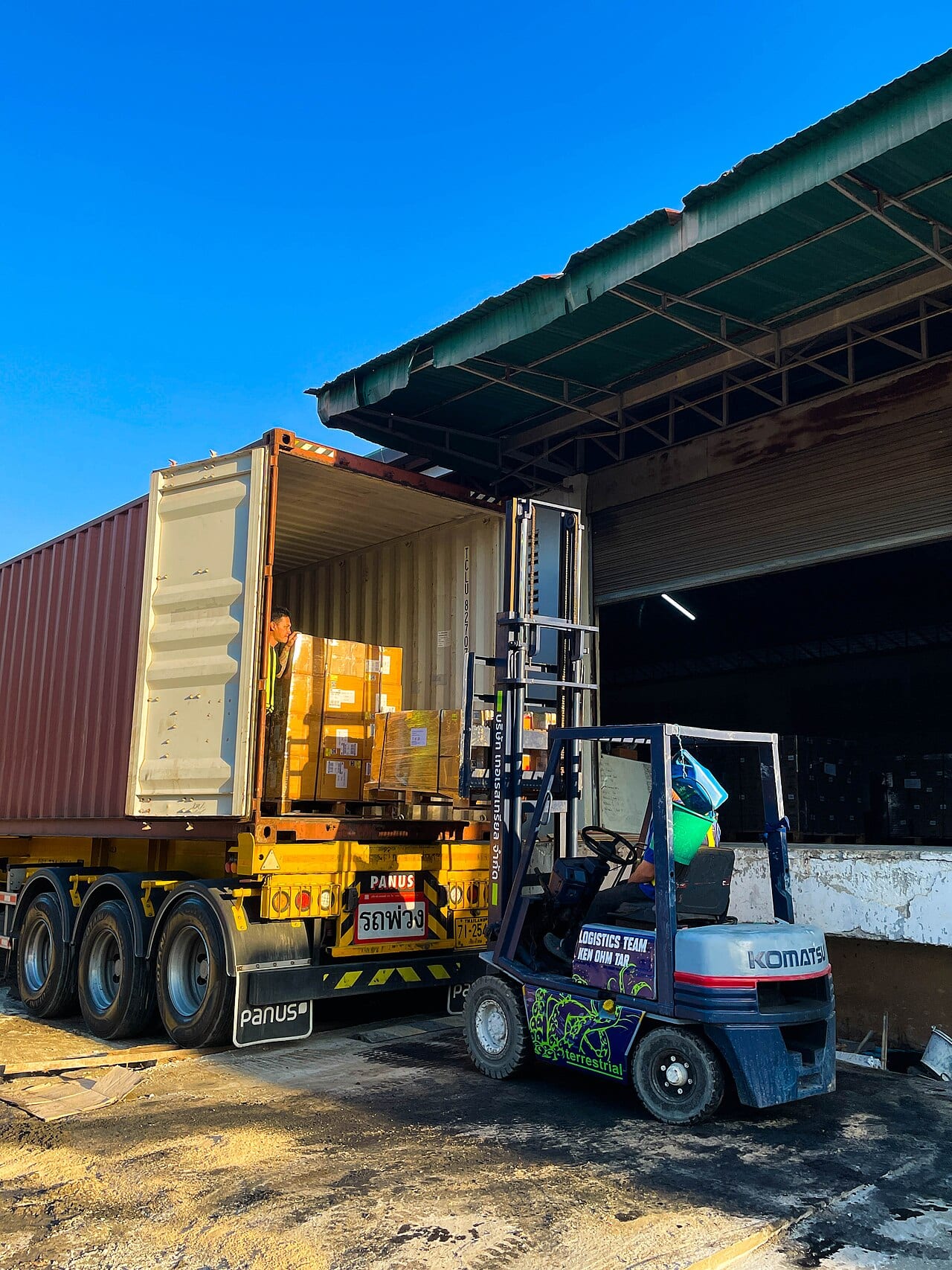
Prepare outgoing orders for the trained loading crew and update the movement records. Work can include cycle counts and keeping aisles clear. Some employers use warehouse laborer, warehouse hand or yard laborer. A yard post may stage pipe outdoors; a stores post may focus on small parts and packed tools inside.
Materials Handler Wages and Job Outlook
Job Bank's 2023–2024 data for Alberta put Material handlers at CAD 16.50 to 31.95 per hour. In May 2025, the middle 80% of U.S. Laborers and Freight, Stock, and Material Movers, Hand earned USD 15.03 to 26.51 per hour. The figures cover wider job groups.
Canada projects about 92,600 openings for the Canadian group from 2026 to 2035. About 49,900 could come from retirements.
Some jobs use regular warehouse shifts, while a yard that supports field crews may get urgent orders after hours.
Equipment and Inventory Training for Materials Handlers
Some employers offer entry roles and teach their parts and stock system. Others seek prior warehouse experience. Learn the scanning process and how to flag a wrong item before it leaves the yard. Good reading and counting skills matter as much as the ability to move a load.
Forklifts and other powered equipment need separate training and authorization. Being hired as a handler does not qualify someone to use every machine on site. Dangerous goods or offshore cargo add requirements only when those duties form part of the job.
Challenges of Handling Materials in an Oilfield Yard
Orders may arrive while the crew is still putting away a delivery. A part moved without a record can be difficult to find when a field repair becomes urgent. The handler needs a clear priority from the lead when several crews are waiting.
Yard work can involve mud, ice and uneven ground. Indoor stores bring noise, traffic and long periods standing or walking. The physical demands can differ greatly between a pipe yard and a small-parts warehouse.
Perks of Working as an Oil and Gas Materials Handler
You learn the parts and tools that field crews use, with a clear result when an order is ready. The role can provide an entry to warehouse and supply work. Experience with accurate records and counts can support inventory control or crew-lead work as those skills grow.