What Does a Motorhand Do on an Oil Rig?
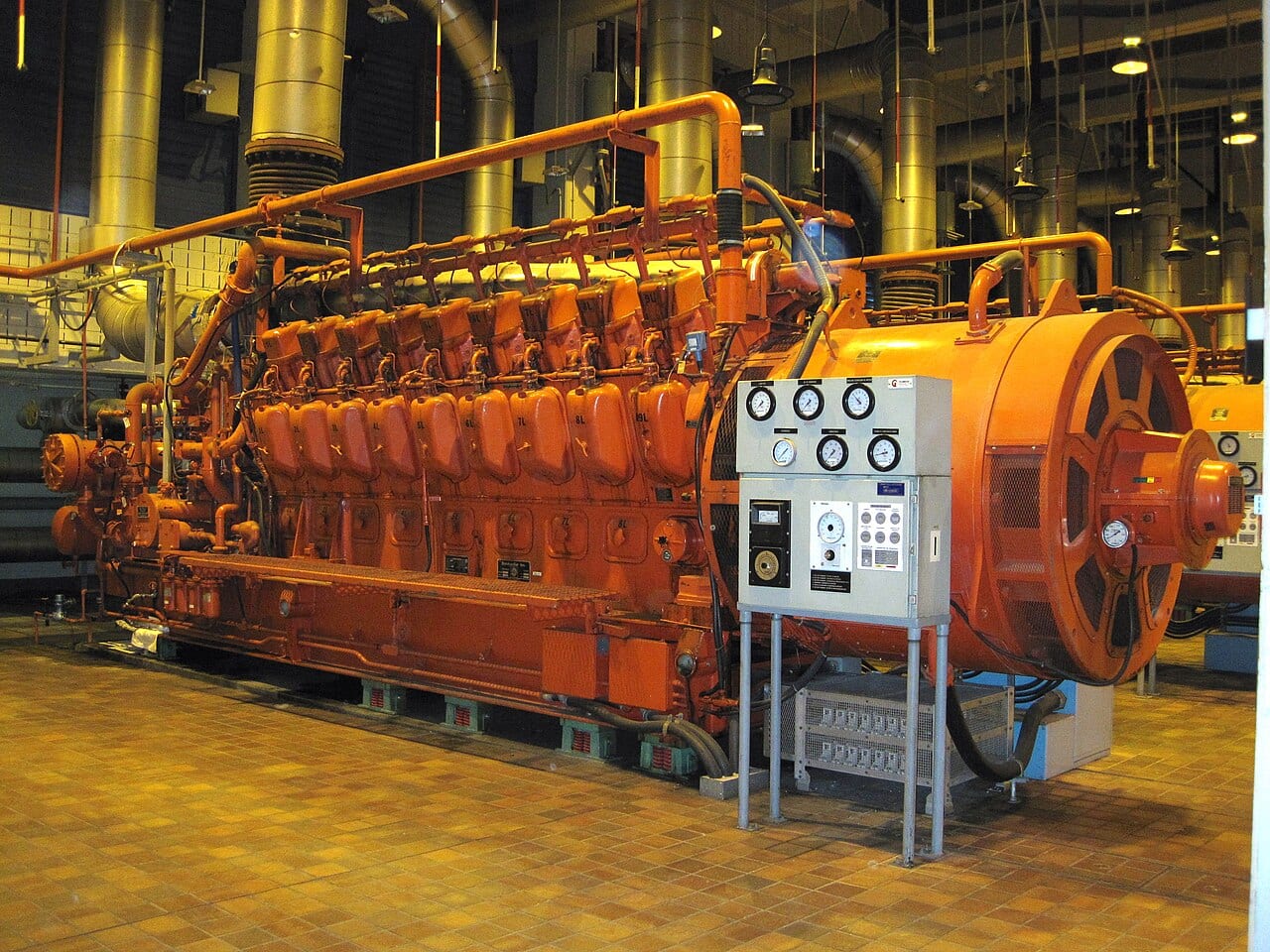
A motorhand checks the engines, pumps and other gear that keep an oil rig running. The job includes basic service, keeping records and telling the crew when a machine needs a closer look. Motorhands also help on the rig floor when the crew needs another pair of hands.
How Motorhands Check Rig Engines and Pumps
A motorhand checks the rig’s engines and related equipment within the assigned role. Look for leaks, changes in sound and service work coming due. Keep useful notes on what changed. The rig mechanic needs those observations when a fault requires more than routine service.
Work can include checking oil and coolant, filters and other items under the equipment’s service plan. The rig’s design sets the mix of engine, pump and floor work. A motorhand may help the drilling crew on the floor when trained and assigned. That does not make the job a licensed electrical or full overhaul role.
Track parts and equipment faults before they interrupt the next job. Pumps moving drilling fluid may need support from the derrickhand and repair crew too. Pass on service status and unresolved faults at handover so the next shift does not assume a machine is ready simply because it is running.
Motorhand Wages and Job Outlook on Oil Rigs
Precision’s Western Canadian posting checked in November 2026 listed CAD 44.51 per hour for motorhands. Its experienced West Texas posting listed USD 30.11 per hour starting pay and asked for more than one year of rig experience. These offers apply to the stated assignments.
Canada projects about 500 openings in the broader drilling and related-services group for 2026–2035. About 500 retirements are expected in that group, which also includes other rig and service roles. It is not a count of new motorhand positions.
A remote rig may supply meals and a room or use a living-out allowance. A rotation does not guarantee paid work throughout the year.
Motorhand Training for Oil Rig Equipment
Floor work can provide a route, with training on the rig’s engines and service plan. Learn to describe a fault clearly and keep a service log. Work beyond routine checks needs the qualified repair team. A motorhand’s experience can help with a later trade route but does not replace trade training.
Western Canadian contractors can require H2S Alive, First Aid and site orientation. U.S. and offshore access courses differ by assignment. Training on one engine or rig does not cover every model or repair task.
Challenges of Working as a Motorhand on an Oil Rig
A machine may develop a fault just when the crew needs it most. The motorhand has to report the symptoms and explain what checks are complete. Spare parts and technical support may be some distance from a remote rig.
Noise, outdoor work and long shifts can make the role tiring. The job may also involve helping the floor crew, so priorities need to be clear.
Perks of Working as a Motorhand on an Oil Rig
You learn what rig equipment looks and sounds like when it runs well. The role mixes routine care with early fault finding and crew work. That knowledge can help you choose between further drilling-crew training and a mechanical trade, each with its own learning route.
Motorhand, Motorman and Rig Mechanic Job Titles
Motorhand and motorman are both used for this rig crew job. A rig mechanic takes on repairs and overhaul work that may be outside a motorhand’s duties.